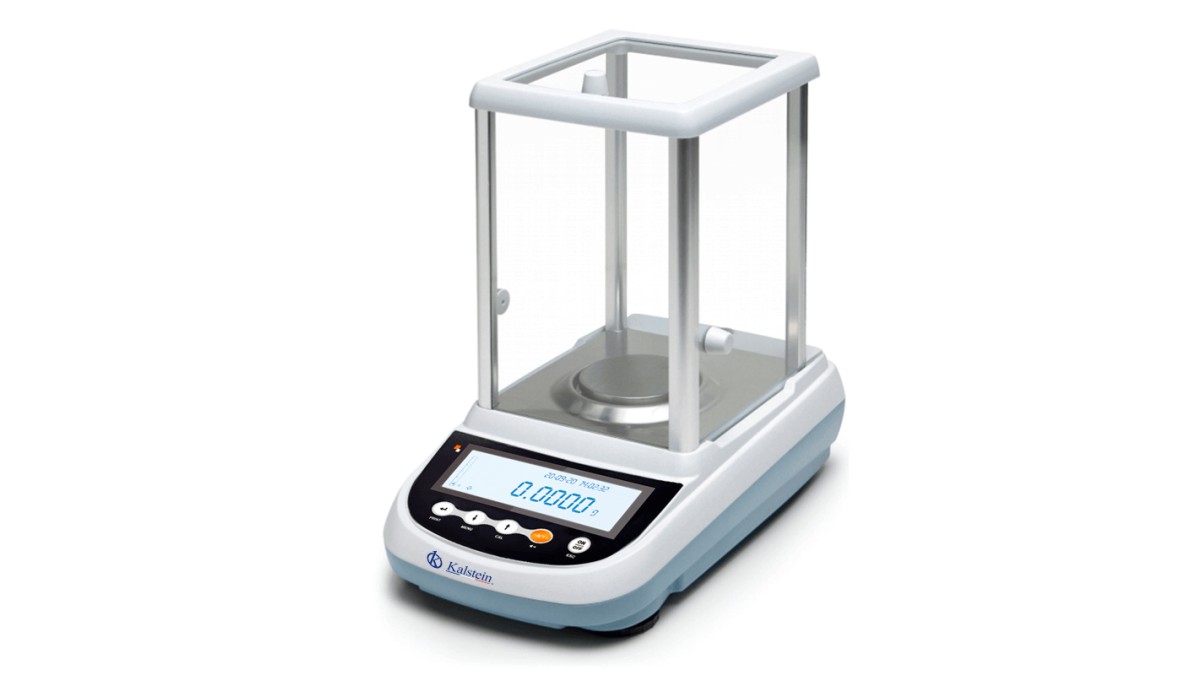
Analytical Balance: Practical Applications and Techniques 2026
Analytical balances are essential tools used in laboratories across various fields including research, biotechnology, and academia. They provide precise measurements crucial for experiments, formulations, and quality control processes. This article will delve into the applications, techniques, best practices, and workflows associated with analytical balances in 2026.
What is it used for in 2026
In 2026, analytical balances are predominantly used for precise measurements of mass in laboratory settings. They are critical for:
- Weighing samples for chemical reactions
- Formulating solutions with exact concentrations
- Quality control in manufacturing processes
- Research purposes in academic and industrial laboratories
- Testing and validation of materials in R&D
With their high accuracy, analytical balances help scientists and technicians ensure data integrity and repeatability in their experiments.
History and evolution of the technology
The development of analytical balances dates back to the late 18th century, with the introduction of the first mechanical balances. Over the years, advancements in technology have led to the incorporation of electronic components, enhancing accuracy and precision. The introduction of features such as internal calibration, digital displays, and connectivity options like RS232 has made analytical balances more user-friendly and dependable.
How to use it step by step
Using an analytical balance requires careful attention to detail to ensure accurate measurements. Here’s a step-by-step guide:
- Preparation: Ensure that the balance is on a stable, vibration-free surface and that the environment is free from drafts and temperature fluctuations.
- Calibration: Perform an internal calibration if the model has this feature. This should be done daily or before critical measurements.
- Taring: Place the weighing container on the balance and press the tare button to zero the scale.
- Weighing: Add the sample to the container and wait for the reading to stabilize before recording the weight.
- Recording: Document the weight and remove the sample. Clean the balance surface after each use to prevent contamination.
Best techniques and protocols
To achieve optimal performance from analytical balances, consider the following techniques:
- Utilize a draft shield to minimize the effects of air currents on measurements.
- Use appropriate weighing containers that minimize static electricity, such as antistatic weigh boats.
- Ensure the balance is leveled before use; most models have built-in leveling feet and indicators.
- Regularly maintain and calibrate the balance according to the manufacturer’s recommendations.
Practical applications by laboratory type
Analytical balances find applications in various laboratory types as follows:
Chemical Laboratories
In chemical labs, analytical balances are crucial for preparing precise chemical solutions and conducting quantitative analyses.
Pharmaceutical Laboratories
Pharmaceutical companies use analytical balances for accurate dosing of ingredients in drug formulation and quality assurance.
Academic Research Laboratories
Researchers rely on analytical balances for experiments requiring high precision, such as materials science or biology studies.
Food Safety Laboratories
In food science, analytical balances help in conducting nutritional analysis and ensuring product compliance with regulatory standards.
Regulations, standards and certifications
Analytical balances must comply with various regulatory standards to ensure quality and reliability. Key standards include:
- ISO 9001 for quality management systems
- ISO/IEC 17025 for testing and calibration laboratories
- GLP (Good Laboratory Practice) guidelines
- FDA regulations for pharmaceutical balances
These certifications assure users of the balance's accuracy and reliability under specified conditions.
Comparison with alternative technologies
While analytical balances are the gold standard for precision, alternative weighing technologies exist:
- Top-loading Balances: Easier to use but less accurate than analytical balances. Suitable for general weighing tasks.
- Microbalances: Used for extremely small weights (below 1mg), ideal for specialized applications.
Each type has its unique advantages, but analytical balances remain the preferred choice for high-precision needs.
Comparison of available models
| Model | Best for | Key specs | Recommended use case |
|---|---|---|---|
| YR05568 | General laboratory use | Capacity: 220g, Resolution: 0.1mg | Routine weighing in chemical labs |
| YR05569 | Pharmaceutical formulations | Capacity: 310g, Resolution: 0.1mg | Creating precise dosages for medications |
| YR05570 | Academic research | Capacity: 410g, Resolution: 0.1mg | Experimental setups requiring high precision |
| YR05571 | Quality control | Capacity: 510g, Resolution: 0.1mg | Testing raw materials and finished products |
| YR05572 | Advanced scientific research | Capacity: 610g, Resolution: 0.1mg | Sophisticated experiments in R&D |
| YR05573 | Jewelry and gold weighing | Capacity: 100g, Resolution: 0.0001g | Weighing precious metals with high accuracy |
Common mistakes and how to avoid them
Common mistakes that can lead to inaccuracies include:
- Not calibrating the balance regularly — always perform calibration before critical measurements.
- Ignoring environmental factors such as drafts or temperature variations — use a draft shield and place the balance in a controlled environment.
- Failing to tare the balance before weighing — always zero the balance with the container before adding the sample.
Maintenance, calibration and good practices 2026
To ensure longevity and accuracy, follow these maintenance practices:
- Perform daily calibrations using certified weights.
- Clean the balance regularly; avoid using harsh chemicals that could damage the surface.
- Keep the balance in a stable, vibration-free location away from direct sunlight and drafts.
Cost-benefit analysis 2026
When considering the investment in an analytical balance, weigh the costs against the benefits. While prices range based on specifications, the return on investment is often seen through:
- Increased accuracy leading to better quality control
- Reduction in material waste by ensuring proper formulations
- Enhanced reliability of experimental results, boosting research credibility
Investing in a high-quality analytical balance is essential for laboratories aiming for excellence in precision and accuracy.
Frequently asked questions
What should I consider when choosing an analytical balance?
Consider the capacity, resolution, and additional features such as internal calibration or connectivity options that fit your specific laboratory needs.
How often should I calibrate my analytical balance?
It is advisable to calibrate daily, particularly before important measurements, and regularly check the calibration throughout the day.
Can I use any container for weighing?
Use containers that are designed for use with analytical balances to minimize static and ensure accurate readings.
What are common environmental factors that affect balance accuracy?
Drafts, vibrations, and temperature fluctuations can significantly affect balance readings, so it is important to minimize these factors.
How do I clean an analytical balance?
Use a soft cloth and mild cleaning solution; avoid abrasive materials that could scratch the surface of the balance.
What is the difference between an analytical balance and a top-loading balance?
Analytical balances offer higher precision and typically have a draft shield, whereas top-loading balances are easier to use but less accurate.
Where can I find high-quality analytical balances?
For high-quality analytical balances tailored to your laboratory needs, you can request a quote on Kalstein Plus.
If you are looking for a fusion of innovation and quality, you have come to the right place. At Kalstein, we offer you the luxury of exploring our exclusive catalog of laboratory equipment. We manufacture every device to the highest standards of excellence. Our intuitive and seamless online purchasing channels are designed for your convenience, securing the most competitive prices. Hesitate no longer — we bring science to life, it is time to become part of our community.