Ph meters
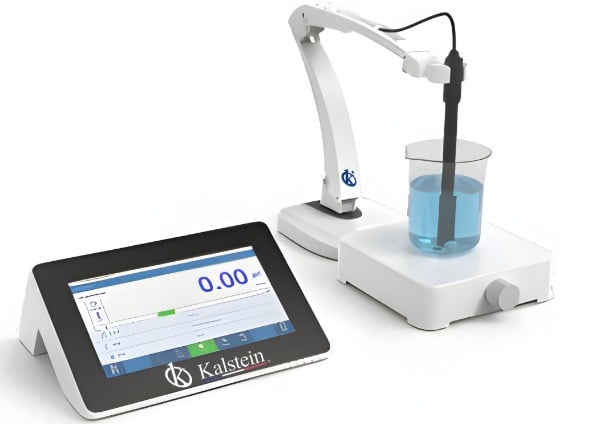
pH meters are essential tools in laboratories for measuring the acidity or alkalinity of a solution. They provide accurate and reliable readings, which are crucial in various fields, including chemistry, biology, and environmental science. Understanding the different types of pH meters available can help you select the right instrument for your specific needs.
With advancements in technology, modern pH meters are designed for precision and ease of use. They come equipped with features such as automatic temperature compensation and digital displays, making them user-friendly. Investing in a quality pH meter can significantly enhance your laboratory's analytical capabilities.
Types of ph meters your laboratory may need
Industrial pH controller
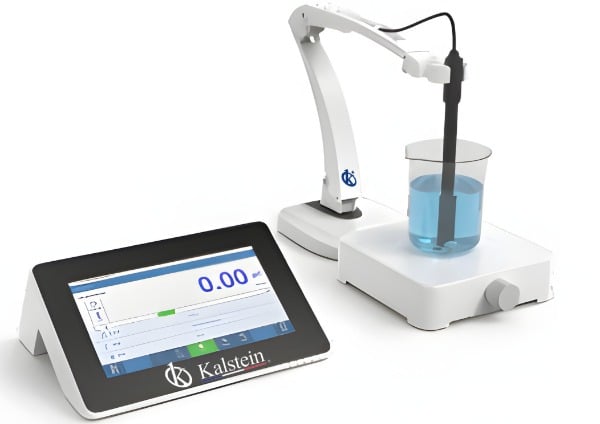
Industrial pH controllers are designed for continuous monitoring and controlling of pH levels in various industrial processes. These devices ensure that chemical processes maintain optimal pH levels, which is crucial for product quality and safety. They often come with advanced features like data logging and remote monitoring capabilities.
These controllers are robust and can handle harsh environments, making them ideal for industries such as wastewater treatment, food and beverage, and chemical manufacturing. Choosing the right industrial pH controller can improve efficiency and compliance with regulatory standards.
Portable
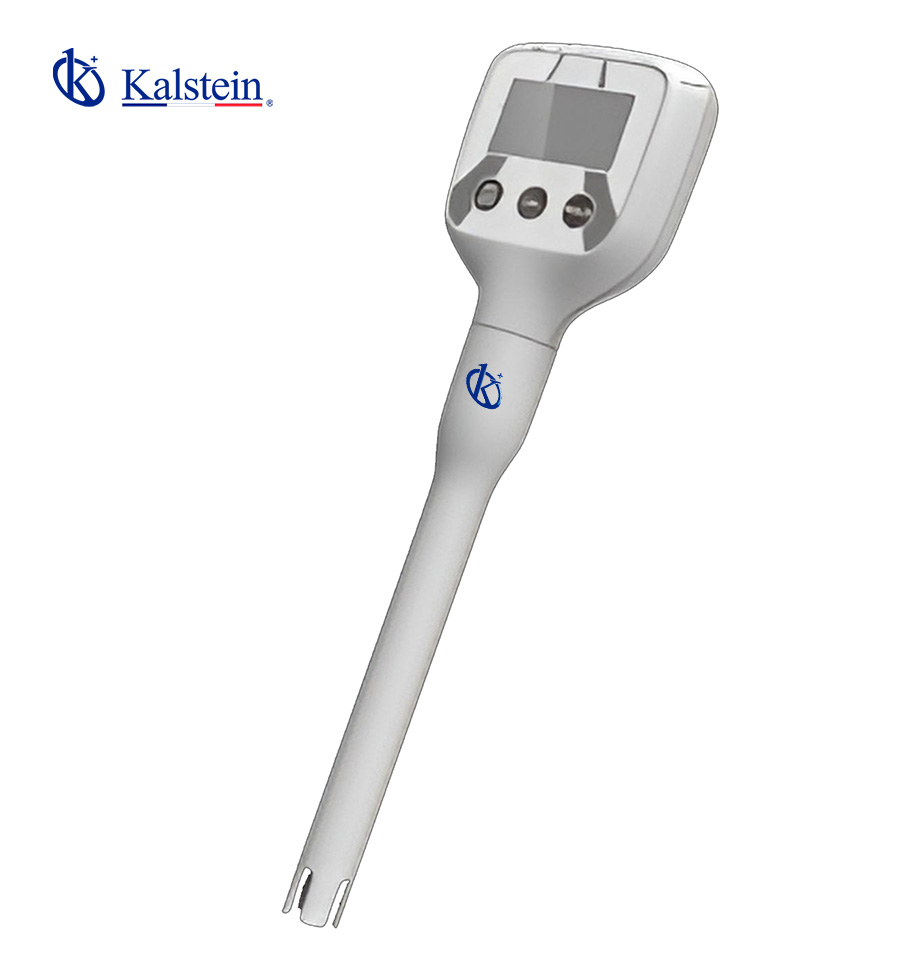
Portable pH meters are compact and lightweight, making them suitable for fieldwork and on-the-go measurements. These meters are ideal for applications where immediate pH readings are necessary, such as in environmental monitoring, agriculture, and laboratory settings.
Modern portable pH meters feature user-friendly interfaces, battery operation, and durable designs, making them reliable tools for professionals. They provide quick and accurate results, ensuring that users can make informed decisions based on real-time data.
What you should know before selecting a ph meters and making an investment
Key factors to consider
When selecting a pH meter, consider factors such as accuracy, range, and the type of application you need it for. Different meters offer various features, including automatic calibration and temperature compensation, which can enhance usability and precision. It's essential to choose a model that suits your laboratory's specific requirements.
Additionally, think about the ease of use and maintenance of the pH meter. A user-friendly interface can save time and reduce errors, while proper maintenance ensures longevity and consistent performance.
Market price range
The price of pH meters can vary significantly based on their features, accuracy, and brand. Basic portable models may start at a lower price point, while advanced laboratory-grade meters can be more expensive. Understanding the market price range helps you set a budget and find the best value for your needs.
It's advisable to compare different brands and models, taking into account their specifications and customer reviews. Investing in a reputable brand may ensure higher quality and better after-sales support.
Value for money
When evaluating pH meters, assess the value for money by considering both the initial cost and the long-term benefits. A more expensive pH meter may offer greater accuracy and durability, leading to better results over time. Factor in potential savings from reduced maintenance and calibration needs.
Additionally, consider the warranty and customer service offered by the manufacturer. A strong support system can contribute to the overall value of your investment, ensuring that you receive assistance when needed.
Expected lifespan based on use and maintenance
The lifespan of a pH meter largely depends on its usage and how well it is maintained. Regular calibration and proper storage can extend the life of your instrument. Choose a model that is designed for the frequency of use you require, whether it be daily, weekly, or occasional.
Understanding the maintenance requirements of your pH meter can also prevent premature failure. Regular cleaning and calibration can ensure accurate readings and prolong the meter's operational life, making it a sound investment for your laboratory.
PH METERS KALSTEIN
Discover ph meters for your laboratory
Explore our range of high-quality pH meters designed to meet the diverse needs of laboratories and industries. Our instruments are built for precision and reliability, ensuring accurate pH measurements for various applications.
YR06615 Benchtop pH Meter
The YR06615 pH Meter is a high-precision professional instrument designed for laboratories, industries, universities, and field applications where str
View productYR06616 Benchtop pH Meter
The YR06616 pH Meter is a high-precision multiparameter instrument designed for laboratories, industries, universities, and technical applications whe
View productOur best-selling ph meters
YR06615 Benchtop pH Meter
Frequently Asked Questions
One of the most common questions is whether the instrument supports advanced calibration: the YR06615 allows automatic calibration from 1 to 5 points, compatible with international standards, ensuring consistent accuracy. Another frequent question is whether it can be used for ORP and temperature measurements; the answer is yes—it measures ORP up to ±2000 mV and temperature from −30 °C to 130 °C, all integrated into a single instrument. Data export is also a common concern; thanks to its USB output, records can be easily transferred for reports or audits.Advantages and Disadvantages
Among its main advantages are its high accuracy, full-color touchscreen, GLP-compliant user management, and large internal storage capacity. Its stability of ±0.01 pH over 3 hours makes it ideal for long-term measurements. As a possible drawback, since it is an advanced instrument, a brief initial training is recommended to fully take advantage of all its functions, especially in environments previously using basic meters.Field Use
The YR06615 pH Meter is widely used in industrial quality control, water analysis, chemical, pharmaceutical, and food laboratories, as well as in academic research. In the field, its robust design and IP54 protection allow reliable measurements in treatment plants, production processes, or environmental inspections, bringing laboratory-level accuracy directly to the work site.Recommendations
To maximize performance, periodic calibration with certified buffer solutions is recommended, along with keeping the electrodes clean and storing the instrument properly after each use. Taking advantage of the data storage and export functions facilitates historical tracking of measurements and improves quality management.Technical Specifications
| Model | YR06615 | |
| Parameter | Characteristic | Detail |
pH | Measuring range | (-2.000 ~ 20.000) pH |
| Resolution | 0.1 / 0.01 / 0.001 pH | |
| Accuracy | ±0.002 pH | |
| Auto calibration | 1, 2, 3, 4, 5 puntos | |
| Input current | ≤2×10⁻¹² A | |
| Input impedance | ≥1×10¹² Ω | |
| Stability | ±0.01 pH / 3h | |
| Temp. compensation | (0 ~ 100) °C, automatic or manual | |
mV (ORP) | Measurement range | (-2000.0 ~ 0 ~ 2000.0) mV |
| Resolution | 1 / 0.1 mV | |
| Accuracy | ±0.1 (-500.0~500.0) mV, ±0.2 (<-500.0mV or >500.0mV) | |
Temperature | Measurement range | (-30.0 ~ 130.0) °C |
| Resolution | 0.1 °C | |
| Accuracy | ±0.1℃ (0~100.0℃), ±0.3℃ (<0.0℃ or >100.0℃) | |
| Data storage | 2000 sets | |
| Power supply | DC 12V / 1A | |
| Output | USB | |
| Ambient temperature | 5 ~ 40 ℃ | |
| Ambient humidity | ≤85% | |
| IP rating / Protection grade | IP54 | |
| Dimensions (L × W × H) | 215 × 170 × 37 mm | |
| Net weight | 600 g | |
| Shipping dimensions (L × W × H) | 470 × 430 × 72 mm | |
| Gross weight | 3 kg | |
Detailed analysis of ph meters for an effective and safe choice
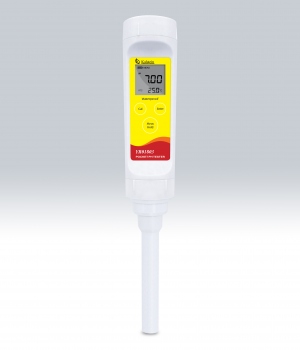
PH meter: what is it used for?
A pH meter is a laboratory instrument for scientific use, which measures the activity of the hydrogen ion in aqueous solutions, indicating its degree of acidity or alkalinity expressed as pH, is used in laboratories and in multiple other fields or areas; a pH measurement can be obtained using pH indicators or tapes, or meters such as pH meters, portable meters or pH electrodes.
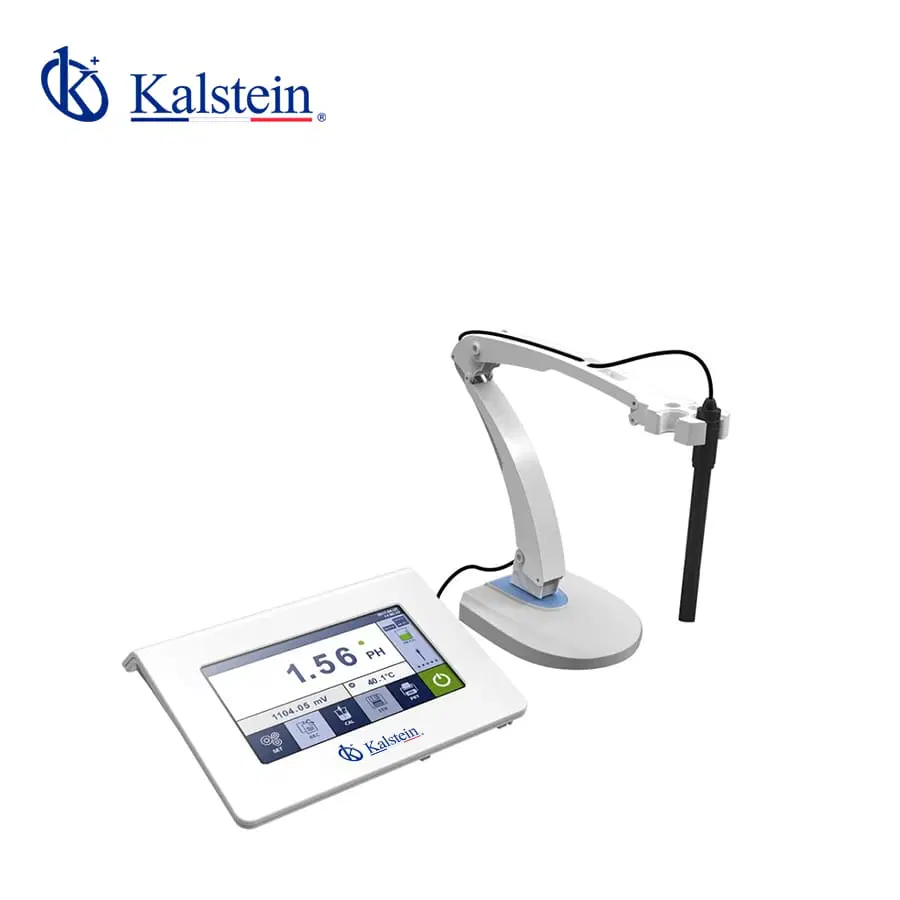
A Leap Forward in pH Measurements: Introducing Kalstein's pH Meters
In the changing world of chemistry and lab analyses, technological advances are shifting the way we perform our measurements. Among them is the arrival of Kalstein's pH meters, a leap forward that signifies a new era in the industry.
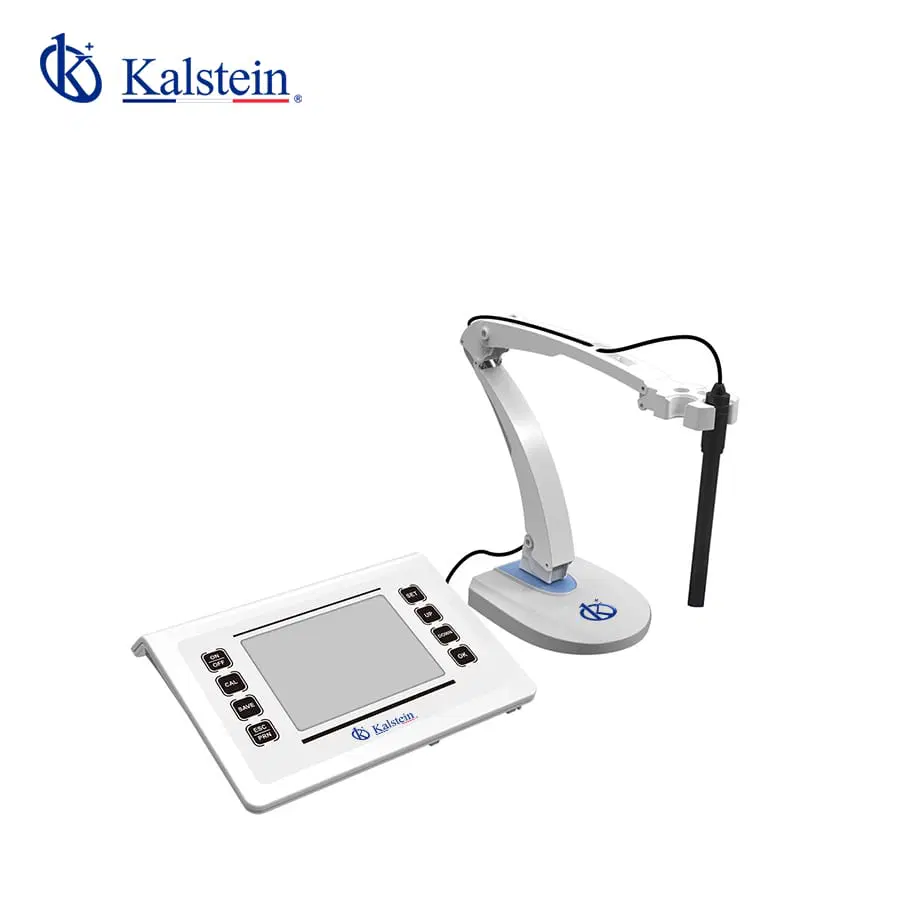
Discover the world of precision with Kalstein's pH Meters
At the heart of any scientific lab, Kalstein's pH meters play a key role. These allow us to determine the acidity or alkalinity of a solution with millimeter precision. Though the science behind this tool is often unappreciated, it's fundamental to understanding the relevance of a high-quality pH meter.
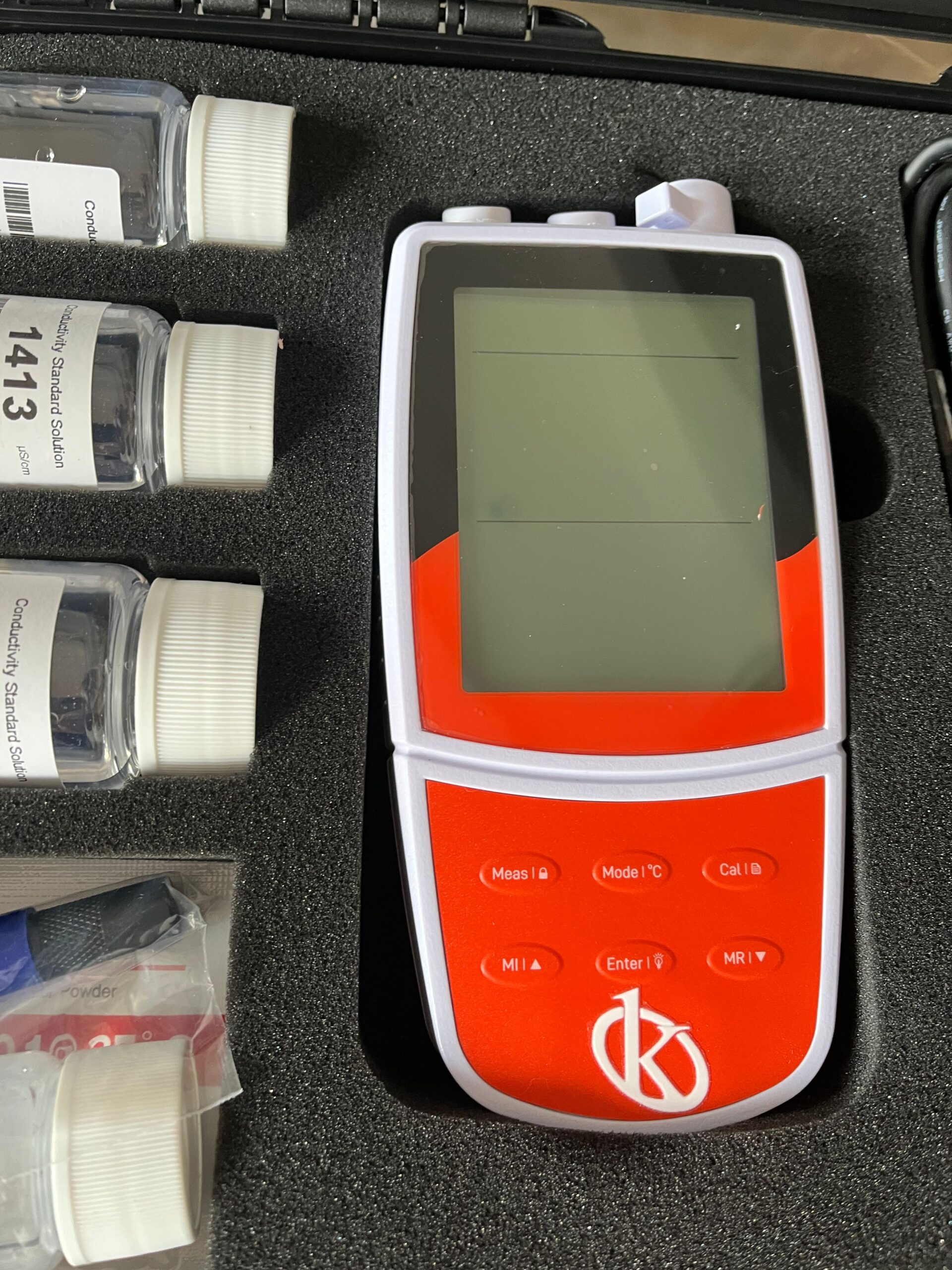
Types of pH meters
A pH meter is specialized equipment used to measure the acidity or alkalinity of a solution. PH is defined as the unit of measurement that describes the degree of acidity or alkalinity of a substance and is measured on a scale ranging from 0 to 14.
ph meters offer catalog
Guides about ph meters
Complete guides to choose ph meters
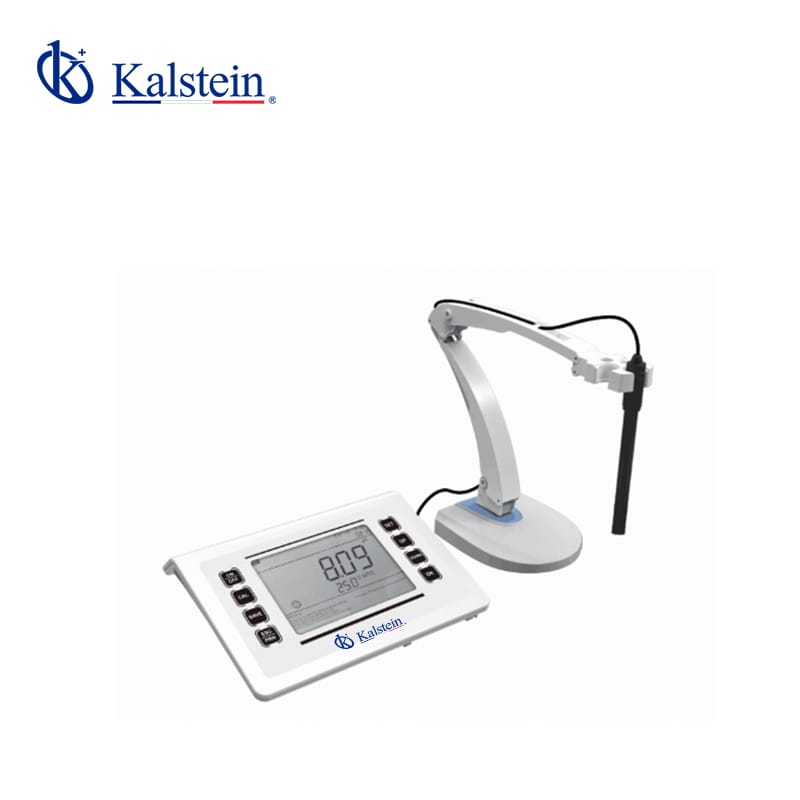
Comparative Analysis: Kalstein PH Meter YR01821 vs. Apera Instruments PH20
In the world of pH measurement, precision and reliability are of utmost importance. Two leading products in this sector are the PH Meter YR01821 from Kalstein and the PH Meter PH20 from Apera Instruments. Both devices offer a range of featu
Leer más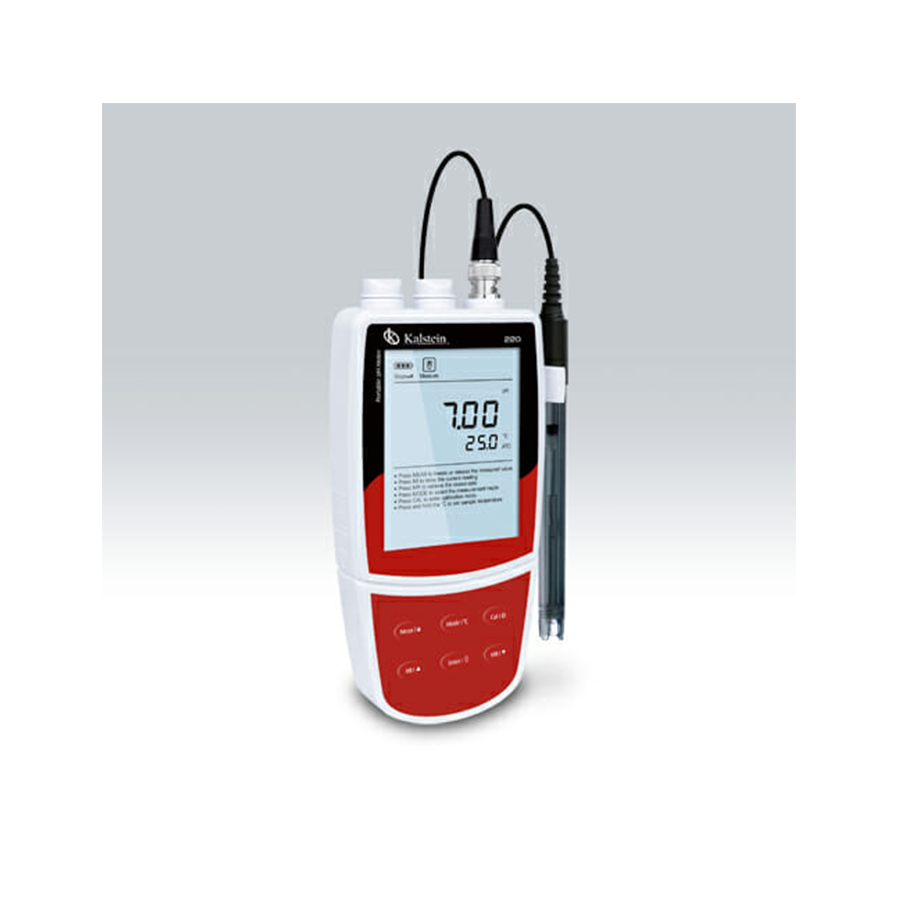
The Essential Influence of the pH Meter in Qualitative Analysis
Qualitative analysis in chemistry plays an indispensable role in identifying the hidden characteristics of a sample. A pH meter is a fundamental instrument for this purpose. Scientific experts trust this device to carry out their work accur
Leer más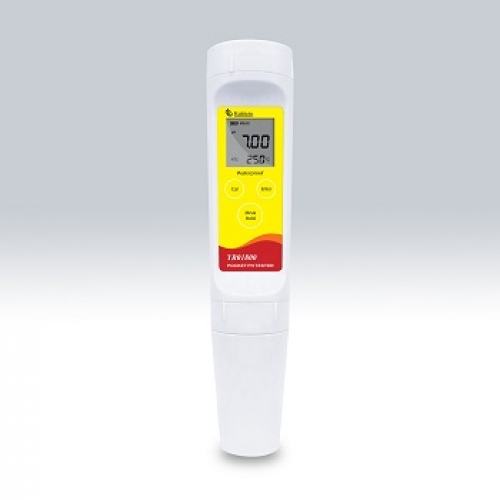
Use of the PH meter to determine the degree of reduction of a sample
The pH meter is used to determine the degree of decline of a sample. This is important because it indicates the amount of acid or base in the sample and determines the degree of contamination. Likewise, it measures the concentration of H+ i
Leer más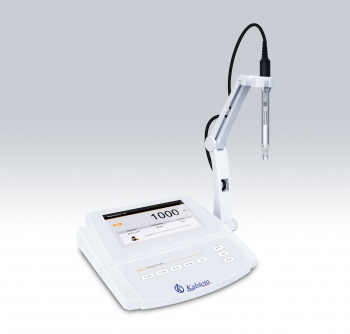
Laboratory pH meter, working
A pH meter or pH meter is a laboratory equipment used to measure the acidity or alkalinity of a solution, that is, it is an instrument whose function is to measure the pH level of liquids through glass plates, and thus way to accurately obt
Leer másFrequently asked questions about Ph meters
How to know the prices of Ph meters?
To know the price of Ph meters, please send us an email with your request through the contact form AQUI.
What are the delivery times for Ph meters?
Delivery time depends on stock availability and freight type (air or sea). In stock: air 15-30 days, sea 45-60 days. Out of stock: air 30-60 days, sea 60-90 days.
How to make a purchase of Ph meters?
You can buy by email ([email protected]), phone (+33 (0) 1 70 39 26 50) or through the official Kalstein website in your country.
How does the warranty work for Ph meters?
All Kalstein equipment comes with a 1-year warranty against manufacturing defects. The warranty does not cover damage from improper installation or misuse. See our «terms and conditions» AQUI.
Can I request a quote online for Ph meters?
Yes, you can request a quote for the Kalstein equipment you are interested in directly from our official website. Click AQUI.