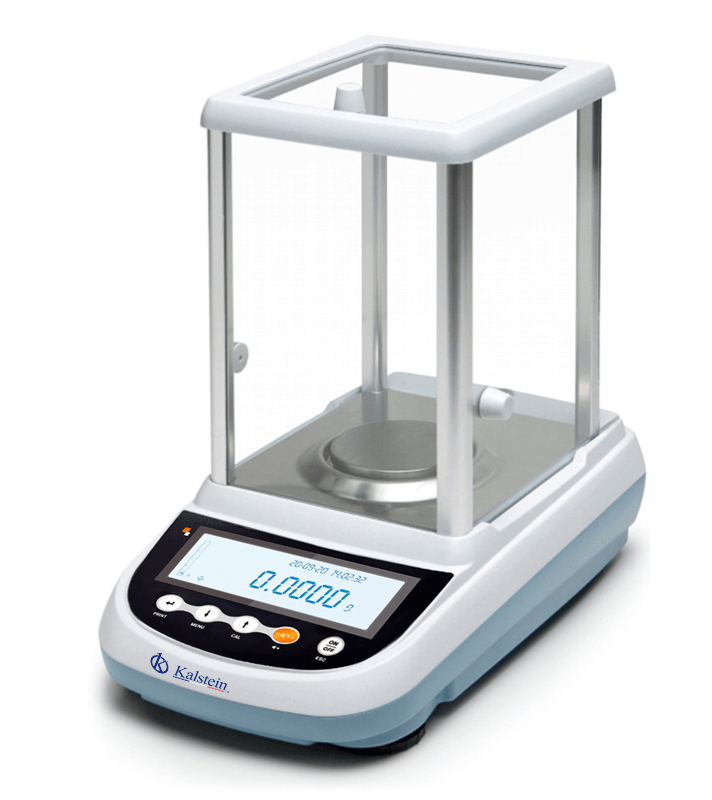
How Analytical Balances Enhance Academic Research and University Projects
Analytical balances are essential tools in academic research and university projects, providing high precision and reliability necessary for various scientific experiments. Their role in ensuring accurate measurements cannot be understated, as researchers rely on these instruments for tasks ranging from chemical analysis to biological studies. In this article, we will explore how analytical balances, particularly models from the YR05568 series, contribute to successful academic outcomes and project implementations.
Understanding the Role of Analytical Balances in University Research
Analytical balances are designed to measure small masses with high precision, making them invaluable in laboratory settings. In the context of academic research, these balances help ensure that experimental results are credible and reproducible, which is fundamental in an academic environment. By delivering measurements with a readability of 0.1 mg, models such as the YR05568 can significantly improve the quality of experimental data.
Moreover, the internal calibration features of models like the YR05569 ensure that measurements remain accurate over time, providing researchers with confidence in their data. The ability to perform internal calibrations automatically guarantees that researchers spend less time troubleshooting equipment and more time focusing on their projects.
Analytical Balances in Teaching and Learning Scenarios
In educational settings, analytical balances serve not only as measurement tools but as vital components in teaching laboratory techniques. Instructors utilize these balances to demonstrate principles of measurement, precision, and accuracy to students. Models such as the YR05570 and YR05571 offer stable measurement environments, allowing students to engage in practical learning experiences.
Furthermore, the user-friendly interfaces of these balances facilitate learning. Students can quickly grasp how to operate the equipment, understand the significance of tare functions, and explore concepts such as weight-to-density correlations in practical applications, which are crucial in chemistry and physics courses.
Promoting Collaborative Research Through Shared Analytical Balances
Many universities adopt a collaborative approach to research, where multiple departments share resources, including analytical balances. The precision afforded by models such as the YR05572 allows various research teams to conduct multiple experiments with a consistent level of measurement reliability.
By centralizing access to high-quality analytical balances, universities can optimize their budgets and encourage interdisciplinary projects. This shared environment fosters innovation as teams bring together diverse expertise to solve complex problems, demonstrating the adaptability and essential role of analytical balances in collective academic research efforts.
Cost-Benefit Analysis of Implementing Analytical Balances in Research Labs
Implementing analytical balances like the YR05573 involves an initial investment but can yield significant long-term benefits for research laboratories. When considering the cost per test, a balance such as the YR05573, priced at $325, can provide a return on investment through enhanced measurement accuracy and efficiency in experiments.
By reducing errors in measurements and improving data quality, researchers can save time and resources over the project lifecycle. Furthermore, the longevity and reliability of analytical balances reduce the need for frequent replacements, adding to their cost-effectiveness when integrated into university settings.
Research Project Considerations and Budget-Friendly Solutions
Many academic projects operate on tight budgets. Utilizing analytical balances strategically can help optimize expenses. For instance, leveraging models like the YR05568, which is priced at $790, provides a balance between financial investment and analytical performance.
Research teams should evaluate their specific needs and select models that offer the best specifications for their projects. This careful consideration enables them to maximize their budgets while ensuring high-quality data collection, which is pivotal for achieving academic success.
Comparison of Available Models
| Model | Maximum Capacity (g) | Readability (g) | Price (USD) | Best for |
|---|---|---|---|---|
| YR05568 | 220 | 0.1 mg | $790.00 | General laboratory use |
| YR05569 | 310 | 0.1 mg | $825.00 | Complex analytical tasks |
| YR05570 | 410 | 0.1 mg | $1080.00 | Heavy sample loads |
| YR05571 | 510 | 0.1 mg | $1125.00 | Research requiring high precision |
| YR05572 | 610 | 0.1 mg | $1240.00 | Advanced experimental designs |
| YR05573 | 100 | 0.0001 g | $325.00 | High accuracy measurements |
Common Mistakes and How to Avoid Them
In the realm of academic research, the use of analytical balances is often accompanied by several common pitfalls. One prevalent mistake is neglecting routine calibration. Such oversights can lead to measurement inaccuracies, affecting the integrity of research outcomes. To avoid this, laboratories should establish a regular calibration schedule, especially for models with internal calibration options like the YR05568.
Another issue is improper placement of the balance within the laboratory space. Vibrations, drafts, and temperature fluctuations can all impact performance. Positioning balances on stable, vibration-free surfaces and away from direct airflow can mitigate these issues, ensuring consistent accuracy in measurements.
Frequently Asked Questions
How can analytical balances support accurate measurement in university research projects?
Analytical balances like the YR05570 are designed for high precision, offering readability down to 0.1 mg. This level of accuracy is crucial for university research projects, ensuring that experimental results are valid and reproducible, thereby enhancing the quality of academic outcomes.
What are the key features to look for in an analytical balance for educational laboratories?
When selecting an analytical balance for educational laboratories, features such as internal calibration, user-friendly interfaces, and compact designs are essential. Models like the YR05573 provide automatic internal calibration and compact dimensions, making them ideal for classroom settings.
Why is routine calibration important for analytical balances used in academic research?
Routine calibration is critical for maintaining measurement accuracy in analytical balances. For instance, the YR05568 model features internal automatic calibration, which helps ensure consistent performance over time, vital for the integrity of research data.
How do analytical balances contribute to the reproducibility of experimental results?
Analytical balances, such as the YR05569, enhance reproducibility by providing precise measurements that researchers can rely on across multiple trials. Consistent results are essential for validating findings and supporting academic research claims.
What cost considerations should researchers keep in mind when purchasing analytical balances?
Researchers should consider both initial costs and long-term maintenance expenses. For example, the YR05572 model is available for $1240 but offers durability and precision that can lead to cost savings through reduced measurement errors and fewer equipment replacements.
How can shared analytical balances optimize resource use in university laboratories?
By sharing analytical balances like the YR05571 among different departments, universities can maximize their resources, reducing redundancy in equipment purchases. This collaborative approach fosters innovation and efficient use of funds across various research projects.
What is the significance of weight-to-density calculations in laboratory settings?
Weight-to-density calculations are crucial for determining the properties of materials. Analytical balances such as the YR05570 enable researchers to perform these calculations accurately, which is vital in fields like chemistry and material science.
How do features like RS232 connectivity enhance the functionality of analytical balances?
Models like the YR05572 equipped with RS232 connectivity facilitate data transfer to computers or laboratory management systems, streamlining data collection and analysis processes, which is essential for modern research methodologies.
If you are looking for a fusion of innovation and quality, you have come to the right place. At Kalstein, we offer you the luxury of exploring our exclusive catalog of laboratory equipment. We manufacture every device to the highest standards of excellence. Our intuitive and seamless online purchasing channels are designed for your convenience, securing the most competitive prices. Hesitate no longer — we bring science to life, it is time to become part of our community.