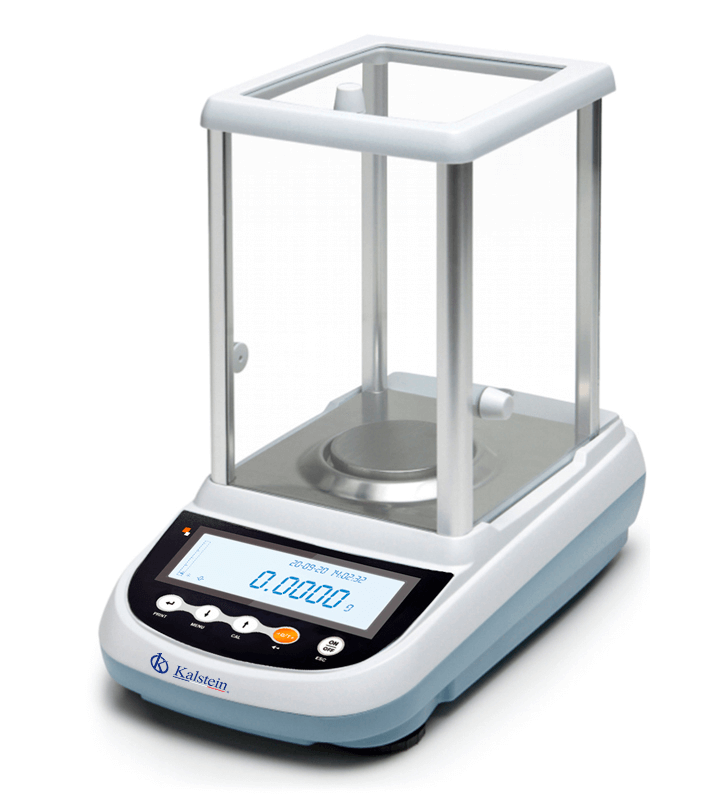
How Analytical Balances Contribute to Energy Sustainability in Laboratories
The demand for energy efficiency and reduced environmental impact in laboratories is more critical than ever. Analytical balances are essential tools for precise measurements, but their role in sustainability is often overlooked. This article examines how various models of analytical balances can enhance energy sustainability, focusing on their specifications, applications, and contributions to minimizing environmental footprints.
Understanding Energy Sustainability in Laboratory Settings
Energy sustainability in laboratories involves adopting practices that reduce energy consumption, minimize waste, and optimize resource use. Analytical balances play a significant role in achieving these goals by providing accurate measurements that enhance experimental efficiency. By improving accuracy in weight measurements, laboratories can reduce the amount of reagents used in experiments, thereby minimizing waste and energy consumption associated with excess material handling and disposal.
Comparison of Available Models
| Model | Capacity (g) | Resolution (g) | Price (USD) | Best Use Case |
|---|---|---|---|---|
| YR05568 | 220 | 0.1 mg | 790.00 | General laboratory measurements |
| YR05569 | 310 | 0.1 mg | 825.00 | Research applications needing greater capacity |
| YR05570 | 410 | 0.1 mg | 1080.00 | High precision in analytical chemistry |
| YR05571 | 510 | 0.1 mg | 1125.00 | Complex experimental setups requiring high accuracy |
| YR05572 | 610 | 0.1 mg | 1240.00 | Large sample measurements in industrial labs |
| YR05573 | 100 | 0.0001 g | 325.00 | Applications in jewelry and high-precision needs |
Reducing the Environmental Footprint with Analytical Balances
Analytical balances contribute to reducing the environmental footprint of laboratories by ensuring that measurements are precise and consistent. Accurate weighing reduces the likelihood of using excess reagents, which not only minimizes waste but also curtails the energy needed for the disposal and processing of these materials. Choosing models such as the YR05568, which features rapid stabilization times and automatic internal calibration, enhances measurement reliability and laboratory sustainability.
Model Insights: Features that Enhance Sustainability
Each model in the analytical balance category offers unique features that can contribute to energy sustainability. For instance:
- YR05568: This model includes an internal calibration function that ensures consistent accuracy, thereby reducing the frequency of recalibrations and the energy input needed for maintenance.
- YR05573: With a compact design and high precision (0.0001 g), it is ideal for applications where minimizing material use is crucial.
Strategies for Implementing Energy Sustainable Practices
To capitalize on the energy efficiency of analytical balances, laboratories should adopt the following strategies:
- Regular calibration and maintenance of balances to ensure optimal performance and reduce energy waste.
- Utilizing energy-efficient models such as the YR05570 which are designed to operate within a wide temperature range, thus minimizing energy consumption.
- Implementing a digital management system to monitor energy usage and optimize laboratory processes, further enhancing sustainability efforts.
Common Mistakes and How to Avoid Them
When aiming for energy sustainability, laboratories often make common mistakes that can undermine their efforts. Some of these include:
- Neglecting regular maintenance of analytical balances, which can lead to inaccurate measurements and increased reagent use.
- Failing to educate staff on the importance of sustainability in their daily tasks, which can lead to careless waste of materials.
To avoid these pitfalls, laboratories should establish regular training sessions and maintenance schedules.
Frequently Asked Questions
How can analytical balances help reduce energy consumption in environmental testing?
Analytical balances like the YR05568 reduce energy consumption by minimizing the need for excess reagents in environmental testing, ensuring precise measurements that limit waste. Each accurate measurement translates to fewer materials needed for testing, conserving energy in preparation and disposal processes.
What are the energy-saving features of the YR05570 analytical balance?
The YR05570 analytical balance features rapid stabilization and internal calibration that enhances measurement accuracy, which helps laboratories avoid excess reagent usage. This directly contributes to energy savings by reducing material consumption and waste management efforts.
How does using the YR05573 impact operational costs in a jewelry lab?
In a jewelry lab, the YR05573's precise measurement capabilities (0.0001 g) minimize material waste, leading to significant operational cost savings. By ensuring that every gram is accurately measured, jewelers can optimize their usage of precious metals, which is vital for both cost management and sustainability.
Which analytical balance model is best for minimizing environmental impact in a research lab?
The YR05568 is an excellent choice for research labs focused on minimizing environmental impact due to its high stability and automatic calibration features, which ensure accurate measurements while reducing waste of both materials and energy resources.
How do analytical balances contribute to improved compliance with sustainability standards?
Analytical balances contribute to improved compliance with sustainability standards by allowing precise measurements that minimize waste generation. Models like the YR05569 help labs meet environmental regulations by ensuring accurate material usage and reducing energy expenditure associated with waste disposal.
What strategies can a laboratory implement to enhance the sustainability of their analytical balance usage?
To enhance sustainability when using analytical balances, laboratories can implement regular calibration schedules, educate staff about efficient practices, and select energy-efficient models like the YR05570 that optimize performance while conserving energy and reducing waste.
How is the energy efficiency of the YR05572 measured in practical applications?
The energy efficiency of the YR05572 analytical balance is measured through its ability to deliver consistent and accurate results with minimal energy input required for operation and maintenance, making it ideal for large-scale measurement tasks in industrial labs.
How can model selection impact the sustainability of laboratory operations?
Model selection significantly impacts laboratory sustainability as choosing high-precision, energy-efficient analytical balances like the YR05570 or YR05573 can reduce reagent waste and energy consumption. This selection process ensures that operational efficiency and sustainability goals are met.
If you are looking for a fusion of innovation and quality, you have come to the right place. At Kalstein, we offer you the luxury of exploring our exclusive catalog of laboratory equipment. We manufacture every device to the highest standards of excellence. Our intuitive and seamless online purchasing channels are designed for your convenience, securing the most competitive prices. Hesitate no longer — we bring science to life, it is time to become part of our community.