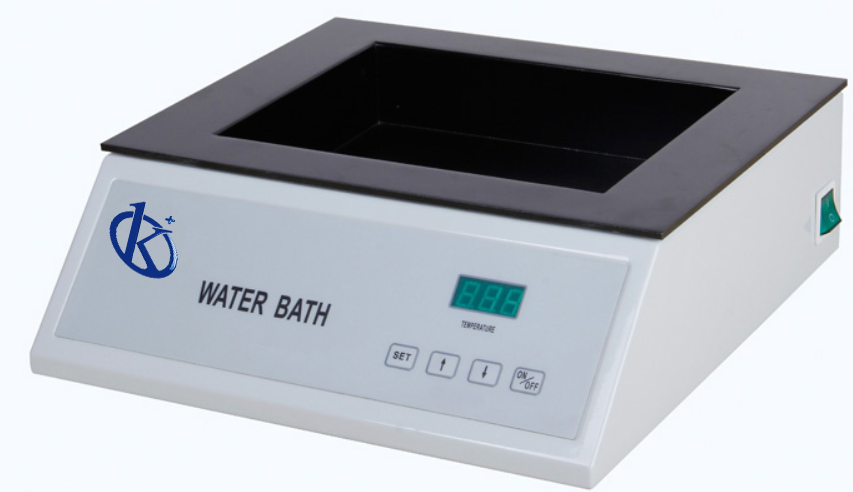
Analyzing ROI and Cost-Benefit for Tissue Water Baths
Tissue water baths are essential in pathological anatomy laboratories for maintaining optimal temperatures for tissue processing. In a competitive lab environment, understanding the return on investment (ROI) and conducting a thorough cost-benefit analysis is critical. This article will explore various models of tissue water baths, focusing on their financial implications and operational efficiencies. We will analyze the Water Bath YR449, YR451, and YR452, and how they contribute to cost-effectiveness and productivity in laboratory settings.
Understanding ROI in Laboratory Equipment
ROI is a crucial metric that helps laboratories determine the profitability of their equipment investments. In the context of tissue water baths, it encompasses initial costs, maintenance, operational efficiency, and the potential impact on laboratory workflow. To calculate ROI, one must consider the total investment against the operational savings and increased productivity the equipment provides. Utilizing advanced technologies in models like the YR451 and YR452 can yield significant efficiency gains, thereby enhancing ROI.
Cost-Benefit Analysis of Tissue Water Baths
Conducting a cost-benefit analysis involves evaluating all costs associated with the tissue water baths against the benefits derived from their use. Costs may include purchase price, energy consumption, maintenance, and consumables, while benefits are derived from improved throughput, reduced reagent waste, and enhanced test accuracy. For instance, the YR451, priced at $800, offers a broad temperature range that minimizes reagent waste, translating into significant long-term savings.
Key Metrics for Evaluation
When evaluating different tissue water baths, consider metrics such as capital expenditures (CAPEX), operational expenditures (OPEX), and the payback period. CAPEX represents the upfront costs, while OPEX includes ongoing expenses such as energy consumption and maintenance. Incorporating these metrics into your analysis helps identify which water bath models will deliver the most value over time.
Comparison of Available Models
| Model | Price (USD) | Temperature Range (°C) | Power Consumption (W) | Best Use Case |
|---|---|---|---|---|
| YR449 | 400.00 | RT to 90 | 200 | General tissue preparation |
| YR451 | 800.00 | 0 to 85 | 400 | High-throughput labs |
| YR452 | 950.00 | RT to 75 | 500 | Specialized histology applications |
Common Mistakes and How to Avoid Them
One common mistake when investing in laboratory equipment is neglecting to perform a thorough cost-benefit analysis. Laboratories should consider not only the purchase price but also the long-term operational costs and potential efficiency gains. Additionally, purchasing models without understanding their specific use cases can lead to underutilization. Selecting the right model based on the laboratory's needs, such as the YR449 for general use or the YR451 for high throughput, is essential for maximizing ROI.
Analyzing Energy Consumption and Sustainability
Energy consumption is a significant factor in the overall cost of operating tissue water baths. Models like the YR451, which operates at 400W, should be assessed for their efficiency compared to others. Sustainable practices, such as choosing energy-efficient models and routine maintenance, can lower environmental impact and operating costs. By monitoring energy usage, laboratories can further enhance their cost-benefit performance.
Establishing a Calibration and Maintenance Schedule
Regular calibration and maintenance of tissue water baths ensure optimal performance. Establishing a schedule helps prevent costly breakdowns and prolongs the lifespan of the equipment. For instance, calibrating the YR452 every six months can ensure accuracy and reliability in temperature settings, reducing the likelihood of experiment failures.
Integrating Tissue Water Baths into Laboratory Workflow
Successful integration of tissue water baths into laboratory workflows is essential for maximizing efficiency. This includes proper training for staff on the specific functionalities of each model and ensuring that workflows are designed to minimize downtime. For example, the quick heating capabilities of the YR449 can enhance productivity in scenarios where time-sensitive processing is required.
Frequently Asked Questions
What is the total cost of ownership for a YR451 tissue water bath?
The total cost of ownership for a YR451 tissue water bath includes the initial purchase price of $800, plus ongoing energy costs, estimated at around $50 per year based on average usage. Additionally, maintenance costs should be factored in, potentially adding another $30 annually. Thus, the total cost can exceed $1,000 over the initial three years of operation.
How do the features of the YR449 compare to YR451 regarding ROI?
The YR449 offers a lower price point at $400, making it attractive for budget-conscious labs. However, the YR451, while more expensive at $800, features advanced controls and a wider temperature range, which can significantly improve throughput and efficiency, resulting in a better ROI for high-volume labs over time.
What are the maintenance requirements for the YR452 water bath?
The YR452 requires routine maintenance every six months, including calibration checks and inspection of the heating elements. This maintenance ensures accuracy in temperature control, which is crucial for histological applications, thus protecting the integrity of samples processed in the unit.
Which model is best for high-throughput laboratory environments in 2023?
For high-throughput laboratory environments, the YR451 is recommended due to its efficient heating capabilities and real-time monitoring features. With a temperature range of 0 to 85°C and a power consumption of 400W, it supports rapid processing and minimizes reagent waste, making it ideal for busy labs.
How can tissue water baths improve laboratory efficiency?
Tissue water baths, such as the YR449, improve laboratory efficiency by maintaining precise temperature control, thus ensuring consistent results across various applications. This reliability reduces the risk of experiment failures and increases overall throughput, enabling labs to handle more samples effectively.
What impact do energy-efficient models have on laboratory operating costs?
Energy-efficient models like the YR451 can significantly lower laboratory operating costs by reducing energy consumption. With a power rating of 400W, labs can expect lower electricity bills, translating to long-term savings that enhance the cost-benefit profile of using these advanced models.
How often should calibration be performed on tissue water baths?
Calibration of tissue water baths should be performed at least every six months. For accuracy in laboratory results, models like the YR452 require regular checks to confirm that they maintain the ±1°C precision they are rated for, ensuring compliance with laboratory standards and protocols.
What are the top factors to consider when purchasing a tissue water bath?
When purchasing a tissue water bath, key factors include price, temperature range, power consumption, and specific laboratory needs. Models such as the YR449 and YR451 offer varying features that cater to different applications, so understanding workflow requirements and efficiency goals is essential for making an informed decision.
If you are looking for a fusion of innovation and quality, you have come to the right place. At Kalstein, we offer you the luxury of exploring our exclusive catalog of laboratory equipment. We manufacture every device to the highest standards of excellence. Our intuitive and seamless online purchasing channels are designed for your convenience, securing the most competitive prices. Hesitate no longer — we bring science to life, it is time to become part of our community.