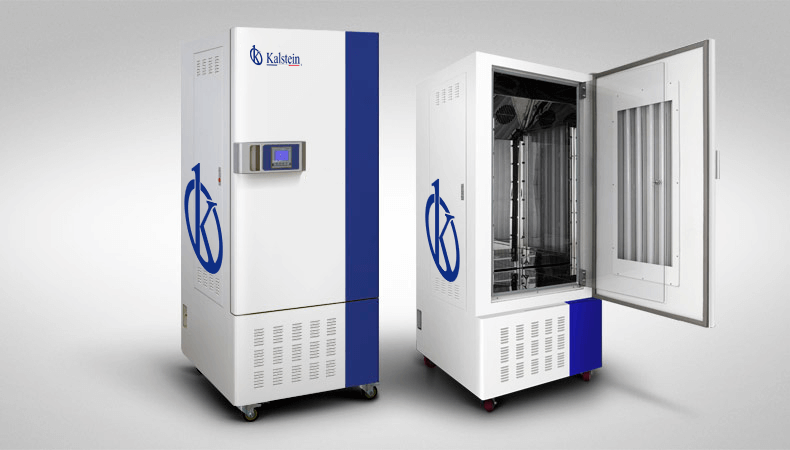
Artificial Climate Chambers: Practical Step-by-Step Guide for 2026
What is it used for in 2026
Artificial climate chambers are critical in various laboratory settings, including agricultural research, biological studies, and environmental simulations. In 2026, these chambers simulate specific climatic conditions, allowing scientists to study the effects of temperature, humidity, and light on biological specimens and processes. Moreover, they are essential for long-term culture experiments of cells, tissues, plants, and for breeding small animals and insects under controlled conditions.
History and evolution of the technology
The concept of artificial climate chambers has evolved significantly over the years. Initially designed for agricultural purposes, the technology has expanded to cater to various scientific fields. Early models provided basic temperature control, but advancements now include sophisticated features such as programmable light cycles, humidity control, and precise temperature regulation. The transition from mechanical systems to microprocessor-based controls has enhanced reliability and user-friendliness, making them indispensable in modern laboratories.
How to use it step by step
Using an artificial climate chamber involves several steps to ensure optimal performance and accurate results:
- Preparation: Ensure the chamber is clean and free of contaminants.
- Programming: Set the desired temperature, humidity, and light conditions according to your experiment parameters.
- Loading Samples: Place your biological samples or experimental materials inside the chamber securely.
- Monitoring: Regularly check the chamber’s controls and recording systems to track environmental conditions.
- Data Collection: Gather data as per your experimental design, noting any changes or anomalies.
- Clean-Up: After the experiment, clean the chamber appropriately and prepare it for future use.
Best techniques and protocols
To maximize the efficiency of artificial climate chambers, following best practices is crucial:
- Regularly calibrate the equipment to maintain accuracy.
- Use data loggers to continuously monitor environmental conditions.
- Implement a systematic approach to loading samples to minimize disturbances.
- Document all settings and observations meticulously for reproducibility.
Practical applications by laboratory type
Artificial climate chambers find applications across various laboratory types:
- Biological Research: Ideal for studying plant growth responses to environmental changes.
- Pharmaceuticals: Used for stability testing of drug formulations under controlled conditions.
- Agriculture: Facilitates research on crop performance and pest behavior in regulated climates.
Regulations, standards and certifications
In 2026, laboratories using artificial climate chambers must adhere to various regulations and standards to ensure safety and accuracy. Compliance with ISO and ASTM standards is often required, depending on the research or production goals. Additionally, certifications related to environmental safety and energy efficiency can enhance the credibility of laboratory practices.
Comparison with alternative technologies
While artificial climate chambers are versatile, alternative technologies exist. For instance, greenhouses provide a natural environment but lack control over specific conditions. Similarly, growth cabinets offer limited functionality compared to more advanced climate chambers. The choice between these technologies should be based on experimental requirements, budget, and desired outcomes.
Comparison of available models
| Model | Best for | Key specs | Recommended use case |
|---|---|---|---|
| YR05347 | Long-term biological experiments | Temperature: 10~65℃; Humidity: 50~90% HR; Price: $2745.00 | Ideal for cell cultures and plant growth studies. |
| YR05348 | Cell and tissue cultures | Temperature: 10~65℃; Humidity: 50~90% HR; Price: $3060.00 | Best suited for experiments requiring stable conditions. |
| YR05349 | Insect and small animal breeding | Temperature: 10~65℃; Humidity: 50~90% HR; Price: $3420.00 | Perfect for breeding studies under controlled climates. |
Common mistakes and how to avoid them
Laboratories often encounter pitfalls when using artificial climate chambers. Common mistakes include:
- Not calibrating the chamber regularly, leading to inaccurate results.
- Overloading the chamber, which can affect airflow and uniformity.
- Neglecting data monitoring, causing missed trends in experimental data.
To avoid these errors, ensure proper training for all laboratory personnel and establish a routine maintenance schedule.
Maintenance, calibration and good practices 2026
Regular maintenance is essential for the reliability of artificial climate chambers. Key practices include:
- Monthly calibration checks for temperature and humidity sensors.
- Cleaning and inspecting the chamber to prevent cross-contamination.
- Keeping detailed logs of maintenance activities to track performance over time.
Cost-benefit analysis 2026
When considering the investment in artificial climate chambers, a thorough cost-benefit analysis is essential. While initial costs can be substantial, the long-term benefits include:
- Increased accuracy in experimental results.
- Enhanced research capabilities leading to potential breakthroughs.
- Energy-efficient models reducing operational costs.
Ultimately, the return on investment can be significant, making it a vital consideration for laboratory planning.
Frequently asked questions
What should I consider when choosing an artificial climate chamber?
Consider the specific requirements of your experiments, including temperature and humidity ranges, size constraints, and the need for light control. Evaluate the models available based on these parameters.
How can I ensure the accuracy of my climate chamber?
Regular calibration and maintenance are crucial for accuracy. Use certified calibration equipment and follow the manufacturer's guidelines for maintenance.
What types of samples can be used in climate chambers?
Climate chambers can accommodate various biological samples, including plant tissues, cell cultures, and small animals. Ensure the conditions are tailored to the specific needs of your samples.
How often should I clean my climate chamber?
It is advisable to clean your climate chamber after each experiment or at least monthly to avoid contamination and ensure consistent performance.
Can I program light cycles in my climate chamber?
Yes, most modern artificial climate chambers allow for programmable light cycles, enabling users to simulate day and night conditions effectively.
What are the energy efficiency options available in artificial climate chambers?
Look for models that feature energy-efficient compressors and insulation. These options can significantly reduce operational costs and environmental impact.
Where can I find the best models for my laboratory needs?
Research and request quotes from reputable suppliers to find models that meet your laboratory requirements. Our platform offers an extensive catalog to explore.
If you are looking for a fusion of innovation and quality, you have come to the right place. At Kalstein, we offer you the luxury of exploring our exclusive catalog of laboratory equipment. We manufacture every device to the highest standards of excellence. Our intuitive and seamless online purchasing channels are designed for your convenience, securing the most competitive prices. Hesitate no longer — we bring science to life, it is time to become part of our community.