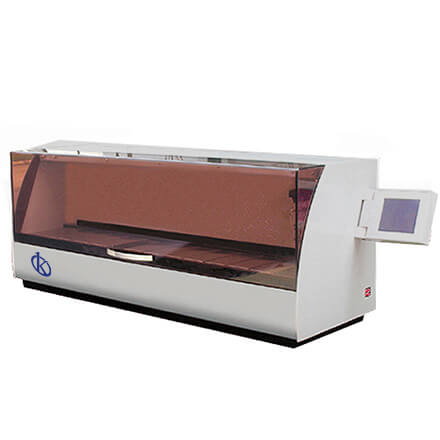
Automatic Slide Stainers: Best Techniques and Protocols in 2026
Automatic slide stainers play a crucial role in pathological anatomy laboratories, streamlining the staining process for tissue samples. This article provides a comprehensive guide on the applications, techniques, and best practices for using automatic slide stainers in 2026.
What is it used for in 2026
In 2026, automatic slide stainers are predominantly used in histopathology laboratories for the efficient and consistent staining of tissue specimens. These devices enhance productivity by allowing multiple slides to be processed simultaneously, improving turnaround times and ensuring high-quality results. They are integral for preparing slides for microscopic examination, aiding in the diagnosis of various diseases.
History and evolution of the technology
The evolution of automatic slide staining technology began decades ago with manual staining methods that required significant time and labor. Over the years, advancements in automation and technology have led to the development of sophisticated machines that offer precision, reliability, and efficiency. Today's automatic slide stainers are equipped with touchscreen interfaces, programmable settings, and a variety of staining protocols tailored to meet diverse laboratory needs.
How to use it step by step
- Preparation: Ensure that the slide stainer is clean and properly calibrated. Gather all necessary reagents and samples.
- Loading: Place the slides into the designated holders within the machine according to the manufacturer's guidelines.
- Program Selection: Choose the staining protocol that fits the requirements of your samples. Most devices allow customization of staining parameters such as time and temperature.
- Start the Machine: Initiate the staining process by pressing the start button. Monitor the process through the machine's display.
- Post-Staining: Once the staining cycle is complete, carefully remove the slides and allow them to dry before examination under a microscope.
Best techniques and protocols
In 2026, best practices for using automatic slide stainers include optimizing reagent use, regularly calibrating the machine, and adhering to established protocols for different staining techniques, such as hematoxylin and eosin (H&E), immunohistochemistry (IHC), and special stains. It is also essential to maintain a clean workspace and ensure that reagents are fresh to prevent cross-contamination.
Practical applications by laboratory type
Automatic slide stainers are utilized in various laboratory settings:
- Clinical Laboratories: Frequently used for diagnosing diseases through histopathological examination.
- Research Laboratories: Used for experimental studies requiring precise staining techniques.
- Teaching Institutions: Serve as educational tools for students learning histology and pathology.
Regulations, standards and certifications
Automatic slide stainers must comply with various regulations and standards, including ISO certifications for quality management systems. Laboratories should ensure that their equipment meets the necessary guidelines to maintain operational efficiency and safety. Regular audits and assessments help in adhering to these standards.
Comparison with alternative technologies
While manual staining techniques are still used in some laboratories, automatic slide stainers offer distinct advantages. Compared to manual methods, automated systems reduce human error, enhance reproducibility, and significantly decrease processing time. This automation allows laboratory staff to focus on other critical tasks while maintaining high-quality staining results.
Comparison of available models
| Model | Best for | Key specs | Recommended use case |
|---|---|---|---|
| YR435 | High throughput staining | 14 processing cups, adjustable processing time | Large laboratories with high sample volume |
| YR435-1 | Flexible staining options | 400 slides/hour, various programs | Laboratories needing special and conventional staining |
| YR436-1 | Compact space-saving design | 15 tanks, intuitive touchscreen interface | Small to medium-sized labs with space constraints |
Common mistakes and how to avoid them
Common mistakes when using automatic slide stainers include:
- Incorrect loading: Always follow the manufacturer's guidelines for loading slides to prevent jams.
- Neglecting maintenance: Regular maintenance is crucial for optimal performance, including routine cleaning and calibration.
- Using expired reagents: Always check expiration dates on reagents to ensure accuracy in staining results.
Maintenance, calibration and good practices 2026
To ensure longevity and efficiency, automatic slide stainers should be maintained through:
- Regular cleaning: Clean the internal components and exterior surfaces regularly.
- Calibration: Conduct calibration checks according to the manufacturer's schedule to guarantee accuracy.
- Routine inspections: Inspect for any wear and tear and replace parts as necessary.
Cost-benefit analysis 2026
Investing in automatic slide stainers can significantly enhance laboratory efficiency. While the upfront costs may be high, the benefits of increased throughput, reduced labor costs, and improved accuracy justify the investment. Additionally, with the capability to handle larger volumes of samples, these devices often lead to higher revenue for laboratories.
Frequently asked questions
What are the key features to look for in an automatic slide stainer?
When selecting an automatic slide stainer, consider features such as throughput capacity, type of staining protocols available, ease of use, and maintenance requirements.
How do I choose the right model for my laboratory?
Assess your laboratory's workload and specific staining needs. For high volume, opt for models with greater throughput capabilities, while smaller labs may benefit from compact designs.
Can automatic slide stainers handle special stains?
Yes, many models are equipped to perform special staining protocols, making them versatile for various laboratory applications.
What is the average lifespan of an automatic slide stainer?
With proper maintenance, automatic slide stainers can last several years, typically ranging from 5 to 10 years, depending on usage and care.
What are the best practices for operating an automatic slide stainer?
Best practices include following the manufacturer’s guidelines for loading and operation, ensuring reagents are fresh, and regularly maintaining the machine.
How can I ensure the quality of staining results?
To achieve high-quality staining results, calibrate the machine regularly, use high-quality reagents, and adhere to established staining protocols.
Where can I request a quote for an automatic slide stainer?
For detailed pricing and options, request a quote through dedicated sales channels.
If you are looking for a fusion of innovation and quality, you have come to the right place. At Kalstein, we offer you the luxury of exploring our exclusive catalog of laboratory equipment. We manufacture every device to the highest standards of excellence. Our intuitive and seamless online purchasing channels are designed for your convenience, securing the most competitive prices. Hesitate no longer — we bring science to life, it is time to become part of our community.