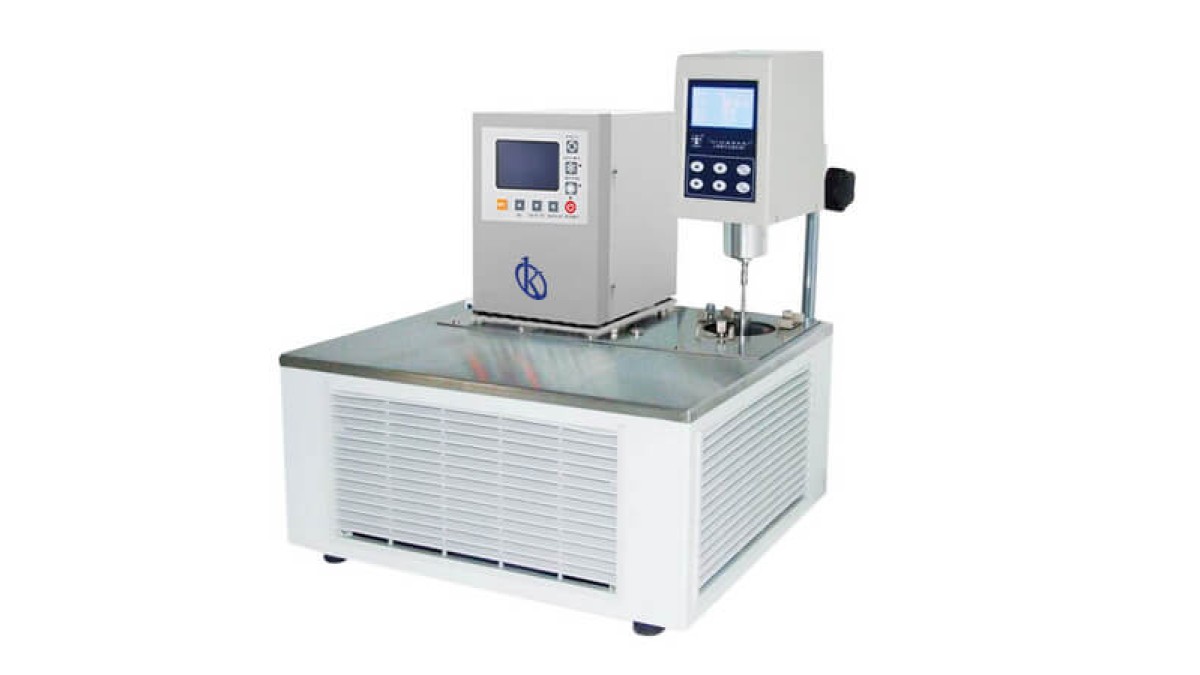
Bath Circulators: Practical Applications and Techniques 2026
In laboratory environments, bath circulators are essential tools designed to maintain consistent temperatures for various procedures. As we progress through 2026, understanding the applications, best practices, and common errors in utilizing these tools becomes vital for laboratory professionals.
What is it used for in 2026
Bath circulators are primarily used to control the temperature of liquids, making them ideal for numerous applications such as:
- Viscosity testing
- Chemical synthesis
- Biological experiments
- Material testing
- Calibration of measuring instruments
In 2026, innovations in bath circulators have increased their efficiency, making them indispensable in research and industrial laboratories for ensuring precise temperature control.
History and evolution of the technology
The technology behind bath circulators has evolved significantly over the last few decades. Early models primarily utilized basic heating mechanisms with limited temperature ranges and accuracy. With advancements in thermodynamic studies and materials science, modern bath circulators now feature:
- PID (Proportional-Integral-Derivative) controllers for precise temperature regulation
- High-efficiency compressors for rapid and effective cooling
- No-fluorine cooling methods to ensure environmental safety
This evolution has led to improved reliability, reduced noise levels, and enhanced user interfaces, such as digital displays for easy monitoring and adjustments.
How to use it step by step
Using a bath circulator involves several key steps to ensure optimal performance:
- Preparation: Ensure that the circulator is placed on a stable surface, away from direct sunlight and excessive vibrations.
- Filling the bath: Fill the bath with the appropriate liquid, ensuring it is compatible with the temperature range required for your application.
- Setting the temperature: Use the control panel to set the desired temperature. Allow the circulator to reach this temperature before proceeding with any experiments.
- Monitoring: Regularly check the temperature display to ensure it remains stable throughout the experiment.
- Completion: Once the experiment is finished, turn off the circulator and properly dispose of or store the liquid used in the bath.
Following these steps ensures that bath circulators function effectively and safely.
Best techniques and protocols
To maximize the benefits of bath circulators, consider the following techniques and protocols:
- Calibration: Regularly calibrate the device to maintain accuracy in temperature readings.
- Fluid Selection: Choose the right fluids based on temperature stability and safety. Consider using water or silicone oils depending on the required temperature range.
- Insulation: Use insulating covers or blankets to reduce heat loss and improve energy efficiency.
- Documentation: Keep detailed records of temperature settings and experiment conditions to streamline reproducibility in future experiments.
By adhering to these techniques, laboratory professionals can harness the full potential of bath circulators.
Practical applications by laboratory type
Bath circulators serve various laboratory types, including:
- Chemical Laboratories: Used for reactions requiring stable temperatures.
- Biological Laboratories: Aids in maintaining specific temperatures for biological samples.
- Material Testing Labs: Helps assess materials under controlled temperatures.
Each laboratory type benefits from the precision and reliability that modern bath circulators provide, enhancing the overall quality of research and testing.
Regulations, standards and certifications
Compliance with industry regulations is crucial when using laboratory equipment. Bath circulators must meet standards such as:
- ISO 9001 for quality management systems
- CE marking for safety standards in Europe
- RoHS for limiting hazardous substances
Adhering to these standards ensures that equipment is not only safe but also reliable and effective for laboratory use.
Comparison with alternative technologies
Bath circulators are often compared to other temperature control technologies such as:
- Water Baths: Generally less flexible in temperature management.
- Refrigerated Circulators: Provide cooling but may lack heating capabilities.
Bath circulators offer a versatile solution owing to their ability to both heat and cool, making them preferable in many laboratory settings.
Comparison of available models
| Model | Best for | Key specs | Recommended use case |
|---|---|---|---|
| YR04985 | Viscosity tests | Temperature range: -5 to 99.9°C | Ideal for low fluctuation experiments |
| YR04999 | Electronic component testing | Temperature range: -30 to 100°C | Great for high-precision experiments |
| YR04996 | Chemical synthesis | Temperature range: -5 to 100°C | Effective for PCBs and chemical processes |
| YR04988 | Biological experiments | Temperature range: -20 to 100°C | Perfect for maintaining samples |
| YR04989 | Material testing | Temperature range: -30 to 100°C | Useful in assessing material properties |
| YR04986 | Calibration processes | Temperature range: -5 to 100°C | Best for calibrating other equipment |
Common mistakes and how to avoid them
When operating bath circulators, common mistakes can undermine effectiveness. Here’s how to avoid them:
- Overfilling: Always fill to the indicated level to prevent overflow or spillage.
- Ignoring temperature fluctuations: Regularly monitor temperature stability to ensure accuracy.
- Using incorrect fluids: Ensure that the liquid used is compatible with the temperature range to avoid damage.
- Neglecting maintenance: Schedule regular maintenance and calibration to ensure optimal performance.
Avoiding these pitfalls will lead to a more successful and efficient laboratory workflow.
Maintenance, calibration and good practices 2026
Maintaining bath circulators involves several key practices:
- Regular Cleaning: Clean the bath to prevent contamination.
- Calibration: Perform regular calibration checks, ideally before critical experiments.
- Fluid Replacement: Change the bath fluid periodically based on lab protocols and laboratory usage.
These maintenance practices ensure longevity and reliability of the equipment.
Cost-benefit analysis 2026
Conducting a cost-benefit analysis is essential for laboratories considering the investment in bath circulators. Key factors include:
- Initial Costs: Evaluate the purchase price of the circulator models compared to their capabilities.
- Operational Efficiency: Consider energy efficiency and long-term savings on operating costs.
- Laboratory Output: Assess how the precision and reliability directly affect the quality and quantity of laboratory outputs.
In the long run, investing in high-quality bath circulators often yields significant returns, both in efficiency and laboratory output quality.
Frequently asked questions
What should I consider when choosing a bath circulator?
When selecting a bath circulator, consider the temperature range, stability, and the specific applications you will be using it for in your laboratory environment.
How often should I calibrate my bath circulator?
Calibration frequency depends on usage intensity, but it is recommended to calibrate before any critical experiment and at least once a month for regular use.
Can I use any liquid in a bath circulator?
No, it’s essential to use fluids compatible with the temperature range and the material of the bath to prevent damage and ensure accurate temperature readings.
What are the signs that my bath circulator needs maintenance?
Signs include inconsistent temperature readings, unusual noises, or failure to maintain set temperatures. Regular checks can prevent these issues.
How can I ensure my experiments are reproducible?
Maintain detailed records of all settings, calibrations, and environmental conditions during experiments to enhance reproducibility.
Is investing in a bath circulator worth it?
Yes, considering the precision and efficiency they bring to temperature-sensitive experiments, bath circulators often lead to improved outcomes and cost-effectiveness in the long term.
How can I request a quote for a bath circulator?
You can easily request a quote for a bath circulator by visiting our online platform, where you can find various models and pricing options.
If you are looking for a fusion of innovation and quality, you have come to the right place. At Kalstein, we offer you the luxury of exploring our exclusive catalog of laboratory equipment. We manufacture every device to the highest standards of excellence. Our intuitive and seamless online purchasing channels are designed for your convenience, securing the most competitive prices. Hesitate no longer — we bring science to life, it is time to become part of our community.