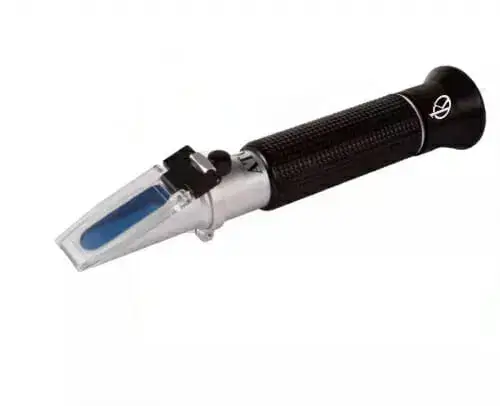
Beer Refractometers: Common Mistakes and How to Avoid Them in Daily Operation 2026
What is it used for in 2026
In 2026, beer refractometers are primarily used in laboratories involved in brewing and quality control processes. They measure the density of sugars in solutions, providing instant gravity readings at any point during boiling or wort extraction. This allows brewers to monitor fermentation processes accurately, ensuring the desired outcome in beer quality.
History and evolution of the technology
The development of refractometers can be traced back to the early 19th century when optical instruments began to gain prominence in laboratories. Originally used in various fields, the adaptation of refractometers for brewing purposes emerged as the demand for precise measurements in beer production increased. Over the years, advancements in optical technology and materials have enhanced the accuracy and ease of use of these instruments, making them indispensable in modern brewing operations.
How to use it step by step
Using a beer refractometer involves a straightforward process:
1. **Calibration**: Before use, calibrate the refractometer with distilled water to ensure accurate readings.
2. **Sample Preparation**: Collect a small sample of the wort or beer to be tested.
3. **Application**: Place a few drops of the sample on the prism surface of the refractometer.
4. **Reading**: Close the cover plate and look through the eyepiece to obtain the reading on the scale.
5. **Adjustment**: If necessary, make adjustments for temperature using the automatic temperature compensation feature, if equipped.
Best techniques and protocols
To achieve optimal results with beer refractometers, follow these best techniques and protocols:
- Always clean the prism surface before and after each use to avoid contamination.
- Ensure that the samples are at the correct temperature, as temperature variations can affect readings.
- Use multiple readings to confirm accuracy, particularly during critical brewing phases.
Practical applications by laboratory type
Beer refractometers find applications in various laboratory settings:
- **Brewing Laboratories**: To monitor fermentation and measure sugar content accurately.
- **Quality Control**: Ensuring batch consistency and adherence to brewing standards.
- **Research Institutions**: In studies focused on brewing technology and flavor development.
Regulations, standards and certifications
In 2026, several regulations and standards apply to the use of beer refractometers in laboratory settings, including:
- **ISO 9001**: Quality management systems requirements for laboratories.
- **ASTM E287**: Standard guide for the measurement of Brix and alcohol content in beverages.
Compliance with these regulations ensures that measurements are reliable and accepted in the industry.
Comparison with alternative technologies
Beer refractometers are often compared with hydrometers and digital density meters. While hydrometers require larger sample volumes and manual temperature adjustments, refractometers offer quicker, smaller-scale measurements. Digital density meters provide advanced features but at a higher cost.
Comparison of available models
| Model | Best for | Key specs | Recommended use case |
|---|---|---|---|
| YR05939 | Quick gravity checks during boiling | 0-32% Brix, SG: 1.000-1.120, ±0.2% Brix | Ideal for frequent monitoring in brewing processes. |
| YR05940 | Instant gravity readings | 0-32% Brix, SG: 1.000-1.120, ±0.2% Brix | Perfect for quality control during fermentation. |
| YR05941 | Temperature compensation | 0-32% Brix, SG: 1.000-1.120, ±0.2% Brix | Recommended in variable temperature environments. |
| YR05942 | Frequent checks | 0-32% Brix, SG: 1.000-1.120, ±0.2% Brix | Useful for both novice and expert brewers. |
| YR05943 | Advanced brewing techniques | 0-32% Brix, SG: 1.000-1.120, ±0.2% Brix | For experimental brewing and formula development. |
Common mistakes and how to avoid them
Several common mistakes can occur when using beer refractometers:
- **Neglecting Calibration**: Always calibrate your refractometer to ensure accuracy.
- **Ignoring Temperature Effects**: Be mindful of temperature variations; use ATC features where available.
- **Inaccurate Sample Size**: Ensure to use the correct sample size to avoid skewed readings.
Maintenance, calibration and good practices 2026
Regular maintenance involves cleaning the prism surface after each use and performing calibration checks weekly. Store the refractometer in a protective case to prevent damage. Regularly check the battery (if applicable) and handle the instrument carefully to prolong its lifespan.
Cost-benefit analysis 2026
Investing in a beer refractometer is cost-effective for breweries of all sizes. They provide quick, reliable readings that can improve product consistency and quality, potentially reducing waste and enhancing efficiency in brewing processes. The initial purchase cost is often recouped through increased production quality and reduced material loss.
Frequently asked questions
What is the best way to calibrate a beer refractometer?
To calibrate a beer refractometer, use distilled water and place a few drops on the prism. Adjust the calibration screw until the reading aligns with 0% Brix.
Can I use a beer refractometer for other liquids?
While beer refractometers are designed for measuring sugar content in beer, they can also be used for other sugar solutions. However, results may vary based on the liquid's properties.
How often should I clean my refractometer?
Clean your refractometer after each use to prevent residue build-up that can affect accuracy. Use a soft cloth and mild detergent, avoiding abrasive materials.
What temperature range should I use with my refractometer?
Most beer refractometers operate best between 10°C and 30°C. For readings outside this range, automatic temperature compensation features should be utilized.
How can I improve the accuracy of my readings?
Ensure that your refractometer is calibrated correctly and that samples are at the appropriate temperature. Taking multiple readings can also help confirm accuracy.
Are there any specific certifications I should look for?
Look for models certified under ISO and ASTM standards, which ensure reliability and accuracy in measurements, complying with industry regulations.
What is the average lifespan of a beer refractometer?
With proper care and maintenance, a beer refractometer can last several years. Regular calibration and cleaning will help extend its useful life.
If you are looking for a fusion of innovation and quality, you have come to the right place. At Kalstein, we offer you the luxury of exploring our exclusive catalog of laboratory equipment. We manufacture every device to the highest standards of excellence. Our intuitive and seamless online purchasing channels are designed for your convenience, securing the most competitive prices. Hesitate no longer — we bring science to life, it is time to become part of our community.