Benchtop Spectrophotometers: Practical Applications and Techniques 2026
Benchtop spectrophotometers are essential tools in laboratory settings, providing reliable color analysis and measurement capabilities. In this guide, we will explore the various uses of these devices, their historical evolution, detailed operational steps, and best practices in 2026.
What is it used for in 2026
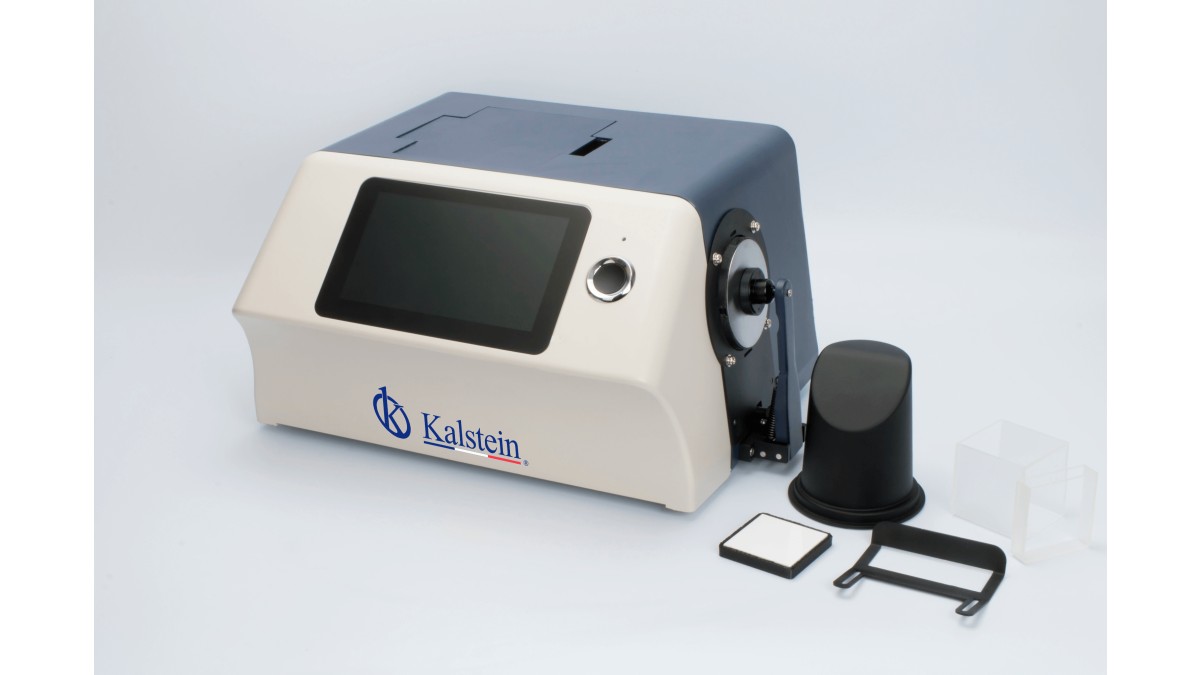
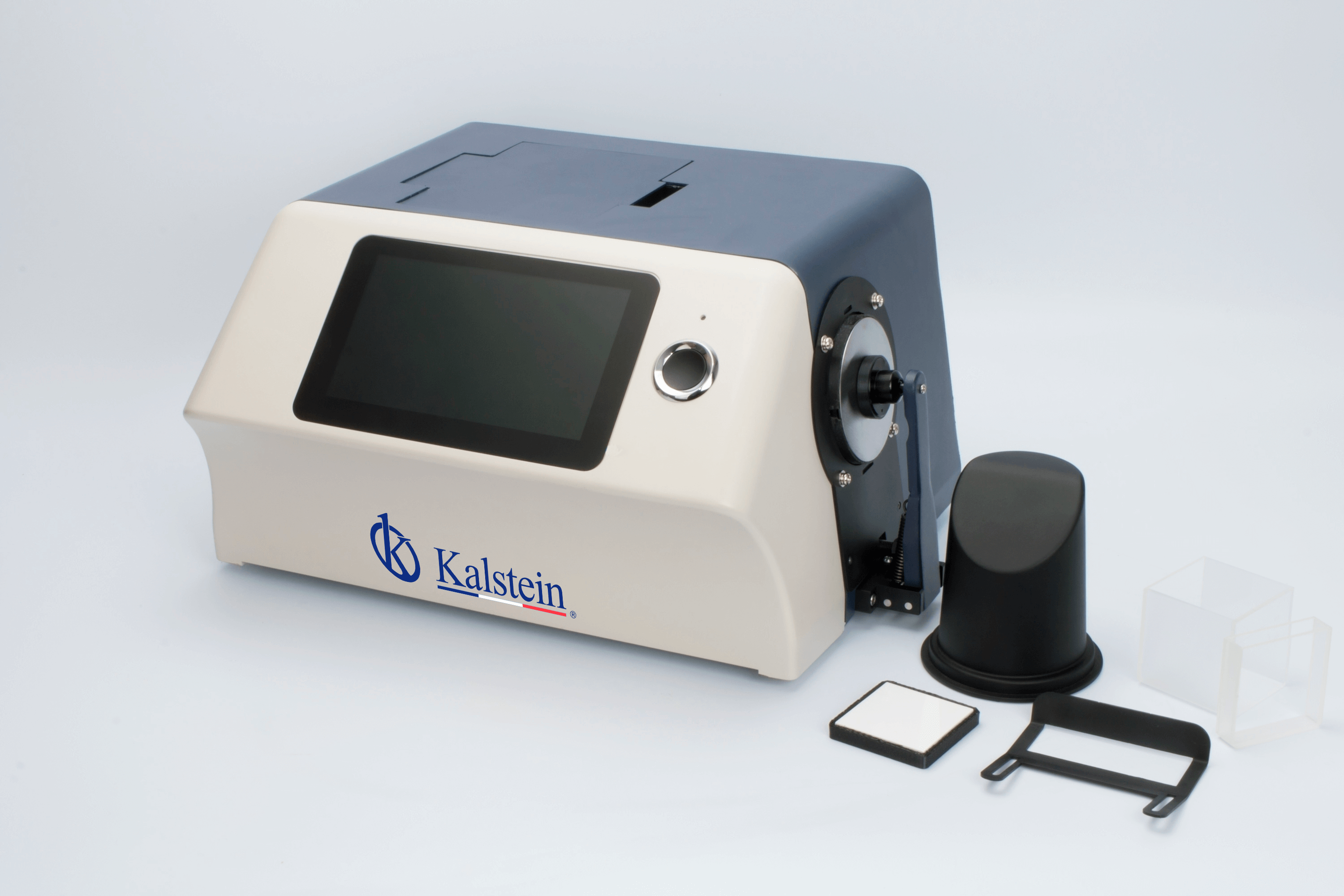
In 2026, benchtop spectrophotometers are widely used across various laboratory environments to measure the color and appearance of materials. They are crucial for applications in industries such as textiles, paints, plastics, pharmaceuticals, and food quality control. These devices enable precise measurements of reflectance and transmittance, supporting quality assurance and research and development processes.
History and evolution of the technology
The history of spectrophotometry dates back to the early 19th century when scientists began exploring the relationship between light and materials. Over the decades, technology has evolved significantly, leading to the development of modern benchtop spectrophotometers with advanced features like touch-screen interfaces, integrated software, and various measurement geometries. Today, these devices are more accessible and versatile, accommodating a wide range of applications and user needs.
How to use it step by step
Using a benchtop spectrophotometer involves several straightforward steps. Follow this guide to operate the devices effectively:
- Setup: Place the spectrophotometer on a stable surface and connect it to a power source. Ensure that the device is calibrated according to the manufacturer's instructions.
- Sample Preparation: Prepare your samples, ensuring they are clean and in the appropriate form for measurement (liquid, powder, or solid).
- Choosing the Measurement Mode: Select the appropriate measurement mode based on the type of analysis required (reflectance or transmittance).
- Measure: Position the sample in the measurement area and initiate the measurement process. Follow the on-screen instructions to record the data.
- Data Analysis: Utilize the software to analyze the measurement results, comparing them with standards or previous data as needed.
- Record Results: Document the findings for future reference, ensuring the data is saved in the correct format.
- Clean Up: After measurements, clean the sample area and shut down the device according to the manufacturer’s guidelines.
Best techniques and protocols
To achieve optimal results when using benchtop spectrophotometers, follow these best practices:
- Ensure consistent lighting conditions in the laboratory to minimize variability in measurements.
- Calibrate the spectrophotometer regularly to maintain accuracy.
- Use standard samples for periodic validation of the device's performance.
- Follow recommended sample handling procedures to avoid contamination and ensure reliability.
- Utilize the software tools for data analysis effectively, taking advantage of features such as color difference calculation and trend analysis.
Practical applications by laboratory type
Different laboratory types utilize benchtop spectrophotometers for various applications:
- Textile Laboratories: For color matching and quality control in fabric production.
- Paint and Coating Labs: To ensure color consistency and quality in coatings.
- Food and Beverage Testing: For color analysis in products like juices and sauces.
- Pharmaceutical Labs: To assess the color properties of drugs and formulations.
- Environmental Testing: For monitoring water and air quality through colorimetric analysis.
Regulations, standards and certifications
Benchtop spectrophotometers must comply with various regulations and standards to ensure their reliability and accuracy. Key standards include:
- CIE No.15: Colorimetric standards for color measurement.
- ISO 7724-1: Standards for colorimetric evaluation.
- ASTM E1164: Standard practices for measuring color in coatings.
- Good Laboratory Practices (GLP): Guidelines ensuring the quality and integrity of laboratory data.
Comparison with alternative technologies
While benchtop spectrophotometers are widely used, alternative technologies exist:
- Colorimeters: Typically less expensive and easier to use, but with limited capabilities compared to spectrophotometers.
- High-Performance Liquid Chromatography (HPLC): Used for analyzing complex mixtures but requires more extensive sample preparation and is less suited for color analysis.
- Digital Color Meters: Useful for quick color assessments but may lack the precision of spectrophotometers.
Comparison of available models
| Model | Best for | Key specs | Recommended use case |
|---|---|---|---|
| YR05474 | Color analysis in R&D and laboratories | Price: $6430.00, TFT touchscreen, d/8 reflectance geometry | Ideal for stable and precise color measurements |
| YR05475 | Color analysis in R&D and laboratories | Price: $4695.00, TFT touchscreen, d/8 reflectance geometry | Great for high-capacity storage and color analysis |
| YR05476 | Color analysis in R&D and laboratories | Price: $6430.00, TFT touchscreen, d/8 reflectance geometry | Best for precise color measurement |
| YR05477 | Measuring reflectance of objects and transmittance of liquids | Price: $4695.00, TFT touchscreen, d/8 reflectance geometry | Ideal for transparent and translucent applications |
| YR05478 | Measuring color differences, color indexes | Price: $4445.00, TFT touchscreen, d/8 reflectance geometry | Best for color quality control in various industries |
| YR05482 | Non-contact color measurement | Price: $4950.00, non-contact 45/0 geometry | Perfect for samples that require non-contact measurement |
Common mistakes and how to avoid them
To ensure accurate results, avoid these common mistakes when using benchtop spectrophotometers:
- Inadequate Calibration: Always calibrate the device before use to ensure accurate measurements.
- Poor Sample Preparation: Ensure your samples are clean and appropriately prepared to avoid contamination.
- Ignoring Environmental Factors: Be aware of light conditions and temperature, which can affect results.
- Neglecting Software Updates: Regularly check for software updates to utilize the latest features and improvements.
Maintenance, calibration and good practices 2026
Maintaining the performance of your spectrophotometer is vital:
- Perform regular calibration using standard color samples to ensure accuracy.
- Clean the measurement area after each use to prevent contamination.
- Store the device in a dust-free environment.
- Follow manufacturer instructions for periodic maintenance and inspection.
Cost-benefit analysis 2026
When evaluating the cost-benefit of benchtop spectrophotometers in 2026, consider:
- Initial investment costs against potential improvements in quality control and efficiency.
- Long-term savings through reduced waste and increased product consistency.
- The value of reliable data in supporting R&D efforts and enhancing product quality.
Frequently asked questions
What factors should I consider when choosing a benchtop spectrophotometer?
Consider the specific applications, measurement range, user interface, and software capabilities when choosing a benchtop spectrophotometer.
How often should I calibrate my spectrophotometer?
Calibration should be performed before each use or daily, depending on the frequency of measurements and the specific requirements of your laboratory.
Can I use benchtop spectrophotometers for liquid samples?
Yes, benchtop spectrophotometers are designed to measure both solid and liquid samples, ensuring accurate color analysis in various forms.
What maintenance is required for my spectrophotometer?
Regular maintenance includes cleaning the measurement area, calibrating the device, and following the manufacturer's guidelines for inspections.
Are there specific protocols for color measurement?
Yes, specific protocols exist for color measurement, including using standard reference materials and following proper sample preparation techniques.
How can I ensure accurate color measurements?
To ensure accurate color measurements, maintain consistent lighting conditions, use calibrated instruments, and prepare samples correctly.
Where can I request a quote for a benchtop spectrophotometer?
To request a quote for a benchtop spectrophotometer, visit Kalstein Plus and explore available options tailored to your laboratory needs.
If you are looking for a fusion of innovation and quality, you have come to the right place. At Kalstein, we offer you the luxury of exploring our exclusive catalog of laboratory equipment. We manufacture every device to the highest standards of excellence. Our intuitive and seamless online purchasing channels are designed for your convenience, securing the most competitive prices. Hesitate no longer — we bring science to life, it is time to become part of our community.