What are the Best Biosafety Protocols for Safe Operator Handling of Mechanical Desktop Ultrasonic Cleansers?
In today's fast-paced laboratory environments, the implementation of effective biosafety protocols is crucial for ensuring the safety of operators and the integrity of the samples being handled. This article focuses on the best practices for biosafety protocols and safe handling of mechanical desktop ultrasonic cleansers, specifically in the context of their use in various laboratory applications. As laboratory professionals, understanding the risks associated with ultrasonic cleaning technologies and implementing the proper safety measures can significantly reduce hazards.
Understanding Mechanical Desktop Ultrasonic Cleansers
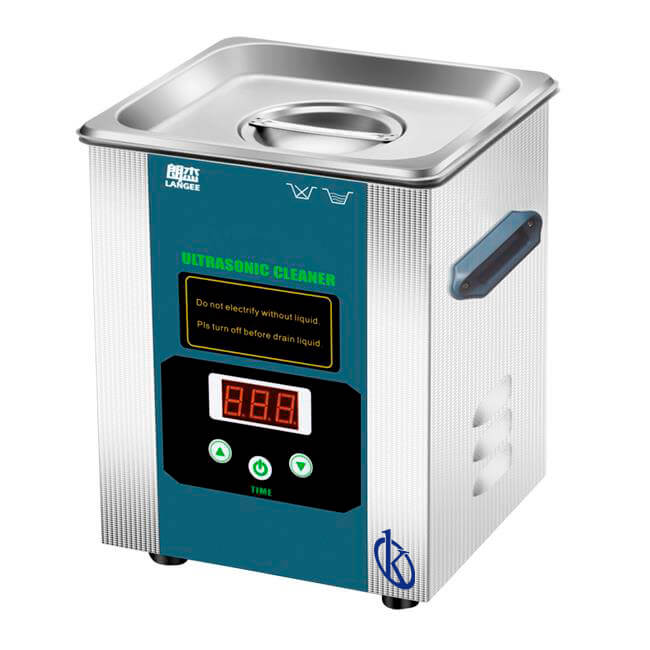
Mechanical desktop ultrasonic cleansers utilize ultrasonic waves to create cavitation bubbles in a cleaning solution. This process is highly effective for cleaning delicate items such as jewelry, laboratory glassware, and electronic components. Models such as the YR05207 and the Ultrasonic Heating Cleaner Series (YR05202, YR05203, YR05204, YR05205, and YR05206) exemplify the capabilities of ultrasonic technology in achieving thorough cleaning while ensuring operator safety.
Key Biosafety Protocols for Ultrasonic Cleaners
Implementing a robust biosafety protocol is essential when utilizing mechanical desktop ultrasonic cleansers. Here are some key protocols to consider:
- Personal Protective Equipment (PPE): Operators should wear appropriate PPE, including gloves, goggles, and lab coats, to protect against potential chemical splashes and ultrasonic exposure.
- Proper Training: Ensure all operators are adequately trained in using the specific ultrasonic cleaner model and familiar with safety features and operational protocols.
- Risk Assessment: Conduct a thorough risk assessment to identify any hazards associated with the cleaning process and implement preventive measures.
- Labeling and Signage: Clearly label all cleaning agents used in the ultrasonic cleaners, and post signage to remind operators of safety protocols.
- Regular Maintenance: Schedule regular maintenance for ultrasonic cleaners to ensure they operate efficiently and safely.
Model-Specific Safety Features
When evaluating mechanical desktop ultrasonic cleansers, certain models offer unique features that enhance operator safety. For example:
- YR05207: This model is equipped with a microprocessor control that allows for precise timing and power settings, reducing the risk of operator error.
- YR05202 to YR05206: These models feature adjustable frequency settings (40/80/120 kHz), enabling operators to choose the best cleaning parameters while minimizing the risk of damage to sensitive items.
Comparison of Available Models
| Model | Capacity (L) | Power (W) | Frequency (kHz) | Best For |
|---|---|---|---|---|
| YR05207 | 1.3 | 70 | 40 | Jewelry and delicate items |
| YR05202 | 11 | 240 | 40/80/120 | Laboratory and medical use |
| YR05203 | 15 | 360 | 40/80/120 | Laboratory items with strong adhesion |
| YR05204 | 20 | 360 | 40/80/120 | Large parts cleaning |
| YR05205 | 22 | 480 | 40/80/120 | Heavy-duty cleaning |
| YR05206 | 30 | 600 | 40/80/120 | Industrial applications |
Common Mistakes and How to Avoid Them
Despite the sophistication of mechanical desktop ultrasonic cleansers, common mistakes can compromise both safety and cleaning efficacy. Here are some pitfalls to watch out for:
- Overloading the Tank: Failing to adhere to the manufacturer's recommended capacity can lead to ineffective cleaning and potential damage to the unit.
- Neglecting Maintenance: Regular maintenance is crucial. Skipping this can result in reduced performance and safety hazards.
- Improper Cleaning Solutions: Using incorrect or incompatible cleaning agents can pose risks. Always follow the manufacturer's guidelines for cleaning solutions.
Frequently Asked Questions
What biosafety measures should I implement for using ultrasonic cleaners in labs?
Implementing biosafety measures such as wearing PPE, conducting regular training, and performing risk assessments are essential when using ultrasonic cleaners like the YR05202, which has a capacity of 11 liters and supports various laboratory applications.
How can I ensure safe operation of the YR05207 ultrasonic cleaner?
To ensure the safe operation of the YR05207, operators should wear appropriate PPE, follow proper training protocols, and adhere to manufacturer guidelines regarding capacity and cleaning solutions to minimize risks.
What are the operator safety features of YR05206 ultrasonic cleaner?
The YR05206 ultrasonic cleaner, with a capacity of 30 liters, includes advanced controls for adjustable frequency settings and a built-in heating feature that enhances safety and cleaning efficiency.
How does ultrasonic cleaning affect sample integrity in labs?
Ultrasonic cleaning can effectively remove contaminants without damaging samples when used correctly. Models like the YR05203 are specifically designed for laboratory items that require careful handling.
What are the risks of using improper cleaning agents in ultrasonic cleaners?
Using incorrect cleaning agents can lead to chemical reactions that may damage the ultrasonic cleaner or the items being cleaned. It's crucial to use recommended solutions, particularly for models like the YR05204, which are suited for large parts.
How often should ultrasonic cleaners be maintained for optimal safety?
Ultrasonic cleaners should be maintained regularly, ideally every three to six months, depending on usage frequency. This ensures models like the YR05205 operate safely and efficiently.
What cleaning frequency settings do ultrasonic cleaners offer?
Models such as the YR05202 and YR05203 provide adjustable frequency settings of 40/80/120 kHz, allowing operators to select the best settings for different cleaning tasks while ensuring optimal safety.
Conclusion
Adhering to biosafety protocols while using mechanical desktop ultrasonic cleansers is essential for ensuring a safe laboratory environment. By understanding the specific features of each model, implementing training, and following proper safety practices, laboratories can maintain high standards of safety and efficacy in their cleaning processes.
If you are looking for a fusion of innovation and quality, you have come to the right place. At Kalstein, we offer you the luxury of exploring our exclusive catalog of laboratory equipment. We manufacture every device to the highest standards of excellence. Our intuitive and seamless online purchasing channels are designed for your convenience, securing the most competitive prices. Hesitate no longer — we bring science to life, it is time to become part of our community.