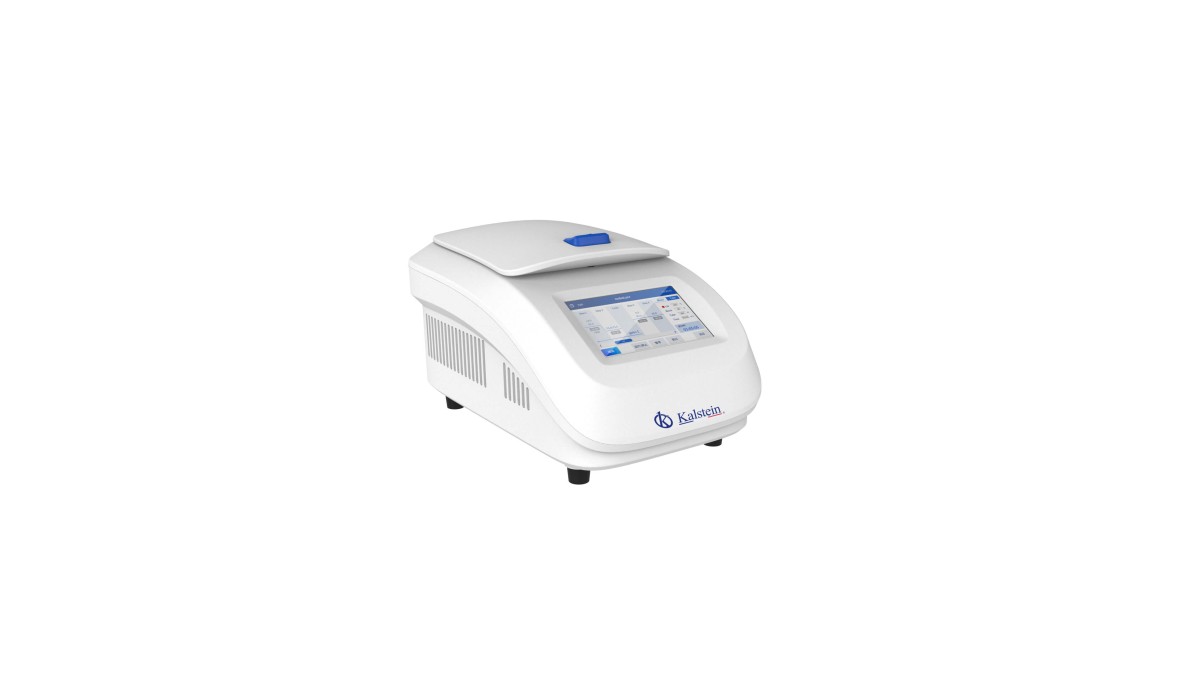
Biochemical BOD Incubator: Practical Applications and Techniques 2026
What is it used for in 2026
The Biochemical BOD Incubator is a critical piece of laboratory equipment used primarily for biochemical oxygen demand (BOD) testing. The incubators maintain a constant temperature that supports the growth of microorganisms, which is essential for accurately measuring the oxygen demand of samples over time. These incubators are used in various fields including environmental monitoring, wastewater treatment, and food safety testing. In 2026, the focus has shifted towards using these incubators for rapid testing methods, ensuring compliance with environmental regulations, and enhancing the reliability of results.
History and evolution of the technology
The concept of incubating samples to measure BOD dates back to the early 20th century. Initially, simple water baths were utilized, which lacked precise temperature control. Over the decades, advancements in microprocessor technology and Peltier-based systems led to the development of modern Biochemical BOD Incubators. These systems are now equipped with digital controls, improved temperature uniformity, and efficiency in energy consumption.
How to use it step by step
- Prepare your samples according to the specific BOD testing protocol.
- Set the incubator to the required temperature, typically around 20°C.
- Place the prepared samples inside the incubator, ensuring proper spacing for air circulation.
- Start the incubation period, which usually lasts for 5 days.
- Monitor the temperature settings regularly to ensure they remain stable.
- After the incubation period, retrieve the samples for analysis.
- Calculate the BOD values using the dissolved oxygen measurements taken before and after incubation.
Best techniques and protocols
For optimal results, it is essential to follow standard methods outlined by organizations such as the American Public Health Association (APHA). Employing consistent sample handling techniques and ensuring calibration of equipment prior to use will prevent errors in BOD determination. Additionally, using multiple replicates can enhance data reliability.
Practical applications by laboratory type
In clinical laboratories, Biochemical BOD Incubators are primarily used for quality control in water testing. In food safety laboratories, they are utilized for testing the integrity of water used in food processing. Environmental laboratories apply these incubators for assessing the impact of effluents on water bodies. Hospitals may also use them for research purposes or monitoring the quality of water in their facilities.
Regulations, standards and certifications
Compliance with local and international standards such as ISO 5667 for water quality and environmental testing is paramount. Laboratories must ensure their Biochemical BOD Incubators meet these regulations to produce credible and valid results. Certification requirements may vary based on location, requiring adherence to specific temperature control and calibration practices.
Comparison with alternative technologies
While Biochemical BOD Incubators are widely used, other technologies such as chemical oxygen demand (COD) testing and respirometric methods also provide alternatives. COD testing is faster but does not reflect the biological demand. Respirometric methods can determine BOD in real-time, offering immediate insights into the biodegradability of samples but with higher operational costs.
Comparison of available models
| Model | Best for | Key specs | Recommended use case |
|---|---|---|---|
| YR05889 | High precision BOD testing | Temperature Range: R.T. -25℃ ~100℃; Accuracy: ±0.5℃ | Research labs needing robust temperature control |
| YR05890 | Versatile heating and cooling | Temperature Range: R.T. +5℃ ~100℃; Precision: ±1.0℃ | Labs requiring both heating and cooling capabilities |
| YR05891 | Compact applications | Temperature Range: RT+5℃ ~100℃; Power: 48W | Small labs or field testing |
| YR05892 | Easy to transport | Temperature Range: RT+5℃ ~100℃; Power: 60W | Mobile testing scenarios |
| YR05893 | Low-cost option | Temperature Range: RT+5℃ ~100℃; Power: 120W | Budget-conscious laboratories |
| YR05894 | General-purpose incubations | Temperature Range: RT+5℃ ~105℃; Power: 150W | Standard BOD testing in varied environments |
Common mistakes and how to avoid them
One common mistake is failing to calibrate the incubator before use, which can lead to erroneous results. Always ensure that the temperature is regularly checked and stabilized before starting any test. Additionally, not adhering to sample handling protocols can also compromise results; thus, following established methods is crucial. Finally, neglecting to monitor the incubator during the incubation period can result in fluctuations that affect the accuracy of measurements.
Maintenance, calibration and good practices 2026
Regular maintenance involves cleaning the interior and ensuring all components are functional. Calibration should be performed at least once every six months, or more frequently if the incubator is used extensively. Good practices include documenting all measurements, calibrations, and any anomalies observed during operations to maintain a quality management system.
Cost-benefit analysis 2026
Investing in a Biochemical BOD Incubator offers long-term benefits in terms of accuracy, efficiency, and compliance with regulations. Although the initial cost may seem high, the reduction in re-testing and improved reliability of results can lead to significant savings in operational costs over time. Additionally, the ability to conduct multiple tests simultaneously enhances throughput, making it a valuable asset in any laboratory.
Frequently asked questions
What temperature should I set for the Biochemical BOD Incubator?
The recommended temperature for BOD testing is generally around 20°C, as this supports optimal microbial activity.
How often should I calibrate my incubator?
It is advisable to calibrate your incubator at least every six months, or more frequently if it is heavily used.
Can I use the Biochemical BOD Incubator for other types of sample incubation?
Yes, these incubators can be used for various types of sample incubation, but ensure you adhere to specific protocols for those samples.
What are the common causes of temperature fluctuations in incubators?
Common causes include inadequate insulation, faulty temperature sensors, and external environmental factors affecting the incubator.
How can I ensure the accuracy of my BOD measurements?
Ensure proper calibration, use consistent sampling techniques, and follow established protocols closely to enhance accuracy.
What type of maintenance is required for a Biochemical BOD Incubator?
Regular cleaning, checking of seals and door functionality, and periodic calibration are essential for maintaining the incubator.
If you are looking for a fusion of innovation and quality, you have come to the right place. At Kalstein, we offer you the luxury of exploring our exclusive catalog of laboratory equipment. We manufacture every device to the highest standards of excellence. Our intuitive and seamless online purchasing channels are designed for your convenience, securing the most competitive prices. Hesitate no longer — we bring science to life, it is time to become part of our community.