Biosafety Cabinets: Practical Applications and Techniques 2026
Biosafety cabinets play a crucial role in providing a safe working environment in laboratories handling biological materials. As laboratory professionals increasingly focus on safety and compliance in 2026, understanding the applications and best practices for using these cabinets is essential for effective research and development.
What is it used for in 2026
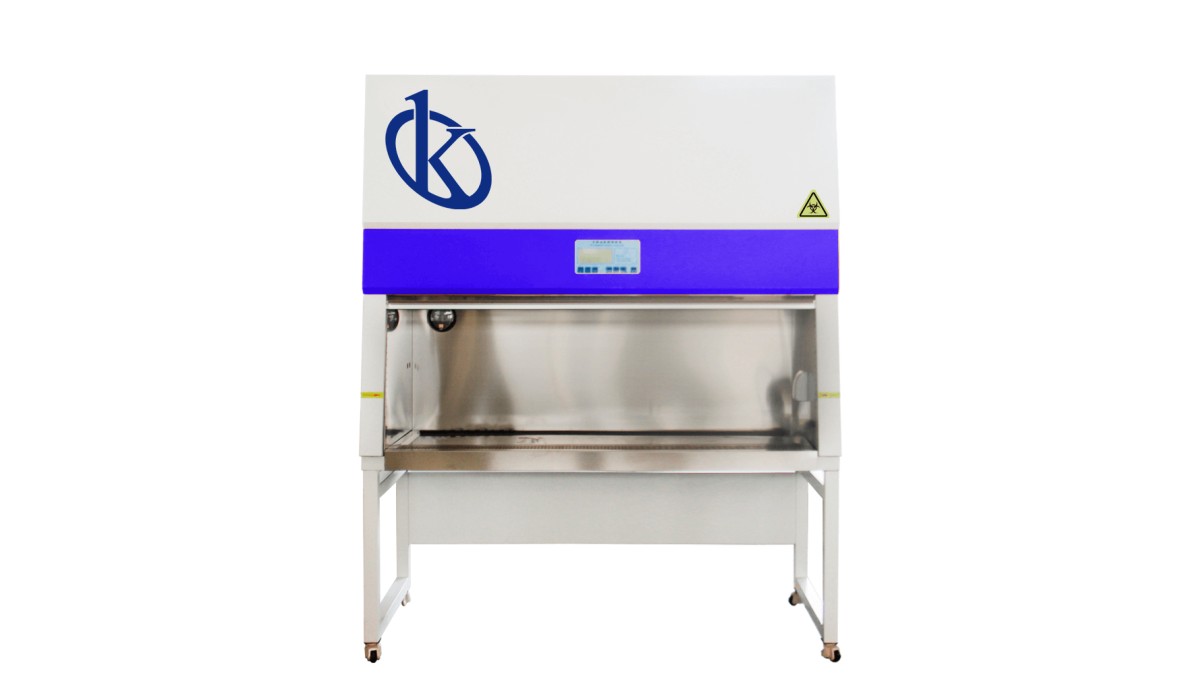
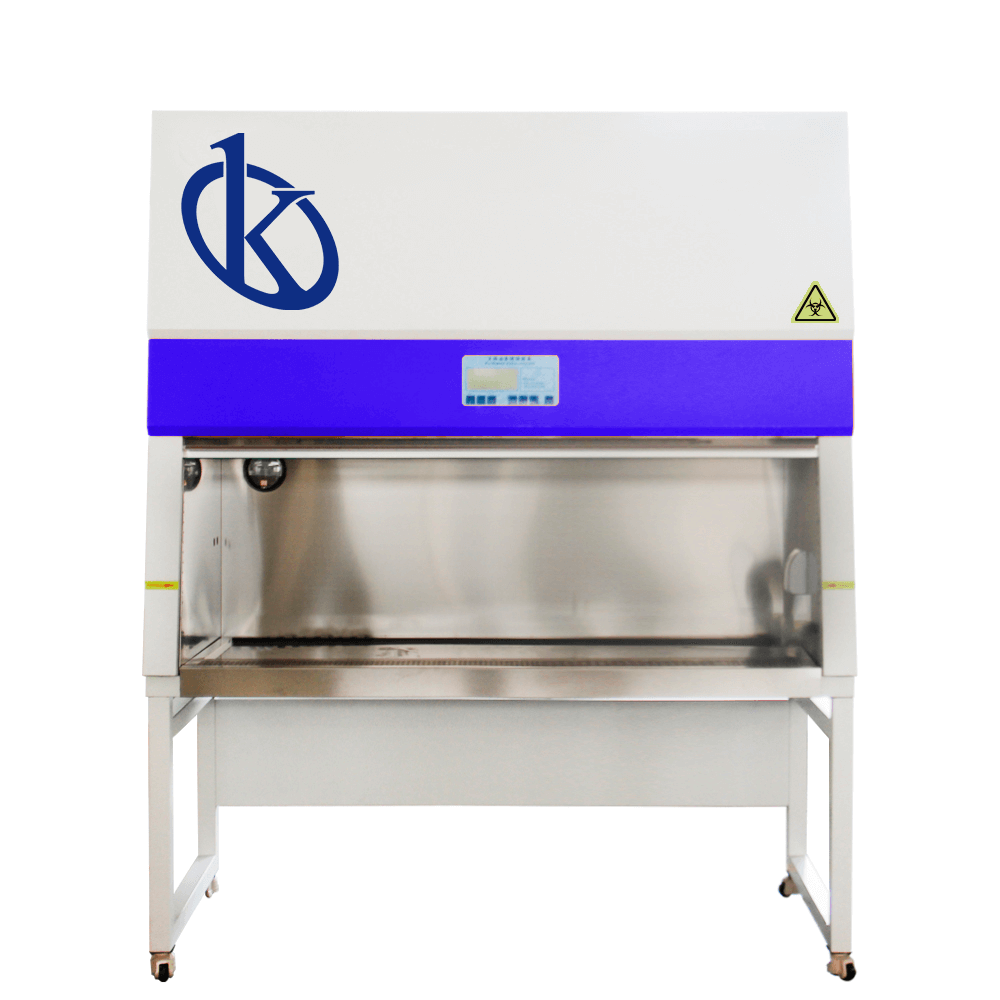
In 2026, biosafety cabinets are primarily used to protect laboratory personnel, the environment, and the samples being handled. These cabinets are designed to provide a sterile working environment by filtering the air and preventing the escape of potentially harmful pathogens. They are widely employed in various laboratory settings, including clinical laboratories, research facilities, and pharmaceutical manufacturing, where safety and contamination control are paramount.
History and evolution of the technology
The development of biosafety cabinets began in the early 20th century, as researchers recognized the need to protect both themselves and their experiments from contamination. Early models were simple and not very effective, but advances in engineering and materials science have led to the sophisticated designs we see today. The introduction of HEPA filters and laminar airflow technology revolutionized the field, allowing for better protection against airborne contaminants. Today, biosafety cabinets are engineered to meet strict standards, ensuring safe operation across a variety of applications.
How to use it step by step
Using a biosafety cabinet correctly is crucial for ensuring safety and effective work processes. Follow these steps:
- Preparation: Ensure that the cabinet is clean and properly maintained. Check that all necessary materials and equipment are within reach.
- Startup: Turn on the biosafety cabinet and allow it to run for the recommended period before commencing work to ensure that the airflow is stabilized.
- Work Practices: Always keep the cabinet doors closed while working. Avoid placing your head inside the cabinet to minimize airflow disruption.
- Minimize Movement: Limit movements inside the cabinet to avoid turbulence in the airflow, which can lead to contamination.
- Disposal: Properly dispose of waste materials using the designated waste containers within the cabinet.
- Shutdown: After completing work, ensure that all materials are removed and the cabinet is cleaned according to the laboratory protocols.
Best techniques and protocols
Implementing best practices while using biosafety cabinets enhances safety and efficiency. Key techniques include:
- Conducting regular training sessions for laboratory personnel on proper cabinet use.
- Establishing protocols for cleaning and maintenance to ensure the equipment remains effective.
- Utilizing appropriate personal protective equipment (PPE) when interacting with biological materials.
- Regularly testing the airflow patterns and HEPA filters for optimal performance.
Practical applications by laboratory type
Different laboratory types utilize biosafety cabinets for various applications:
- Clinical Laboratories: Used for handling pathogens and samples to prevent cross-contamination and protect staff.
- Research Laboratories: Essential for experiments involving infectious agents or toxic substances, ensuring a sterile environment.
- Pharmaceutical Manufacturing: Employed in drug development and production processes to maintain product integrity and safety.
Regulations, standards and certifications
Biosafety cabinets must adhere to strict regulations and standards to ensure safety and effectiveness. Key certifications include:
- U.S. Federal Standard 209E for cleanroom performance.
- International Organization for Standardization (ISO) certifications for laboratory equipment.
- Occupational Safety and Health Administration (OSHA) guidelines for laboratory safety.
Comparison with alternative technologies
While biosafety cabinets are essential for certain applications, alternative technologies may also be considered:
- Fume Hoods: Primarily used for chemical safety rather than biological safety, lacking the filtration capabilities of biosafety cabinets.
- Cleanrooms: Provide a broader range of environmental controls, ideal for large-scale pharmaceutical production but may be cost-prohibitive for smaller laboratories.
Comparison of available models
| Model | Best for | Key specs | Recommended use case |
|---|---|---|---|
| YR05704 | General biological safety | 100% Exhaust, Class 100, 170KG | Routine laboratory work with biological samples |
| YR05705 | General biological safety | 100% Exhaust, Class 100, 210KG | Handling of infectious agents in research labs |
| YR05706 | Advanced biological safety | 100% Exhaust, Class 100, 250KG | Complex laboratory processes requiring high containment |
| YR0090-A | Small laboratory operations | Class 100, 140KG | Small-scale experiments with biological materials |
| YR05270 | High-throughput labs | ISO14644.1, 2750.00 USD | Pharmaceutical and biotech production environments |
| YR05271 | High-throughput labs | ISO14644.1, 2940.00 USD | Advanced laboratory operations requiring efficient airflow |
Common mistakes and how to avoid them
Laboratory personnel often make mistakes that can compromise safety and efficacy. Common pitfalls include:
- Ignoring Maintenance: Regularly check and maintain the cabinet to avoid malfunction.
- Improper Use of PPE: Always wear appropriate protective gear to minimize exposure.
- Overloading the Cabinet: Follow manufacturer recommendations for maximum load to maintain effective airflow.
Maintenance, calibration and good practices 2026
To ensure safety and functionality, follow these maintenance tips:
- Perform regular cleaning and decontamination of interior surfaces.
- Schedule routine inspections of HEPA filters and airflow systems.
- Document all maintenance activities in a log for compliance audits.
Cost-benefit analysis 2026
Investing in a biosafety cabinet can be significant; however, the benefits often outweigh the costs:
- Enhances laboratory safety and protection.
- Reduces the risk of contamination and associated costs from failed experiments.
- Ensures compliance with regulatory standards, preventing potential fines.
Frequently asked questions
What is the difference between a biosafety cabinet and a fume hood?
A biosafety cabinet is designed to protect the user and the environment from biological hazards, while a fume hood is primarily for chemical safety and does not filter biological agents.
How often should I perform maintenance on my biosafety cabinet?
Routine maintenance should occur at least annually, but more frequent checks are recommended based on usage and laboratory protocols.
Can I use a biosafety cabinet for all types of biological research?
While biosafety cabinets are suitable for many applications, always refer to the manufacturer's specifications and your laboratory's guidelines for proper usage.
What precautions should I take when using a biosafety cabinet?
Always wear appropriate PPE, minimize movement inside the cabinet, and ensure that all materials are positioned correctly to maintain airflow.
How do I know if my biosafety cabinet is functioning properly?
Regular airflow velocity checks and filter inspections are essential to ensure the cabinet operates efficiently and safely.
Is training necessary for using a biosafety cabinet?
Yes, training is crucial for all laboratory personnel to ensure safe and effective use of biosafety cabinets.
If you are looking for a fusion of innovation and quality, you have come to the right place. At Kalstein, we offer you the luxury of exploring our exclusive catalog of laboratory equipment. We manufacture every device to the highest standards of excellence. Our intuitive and seamless online purchasing channels are designed for your convenience, securing the most competitive prices. Hesitate no longer — we bring science to life, it is time to become part of our community.