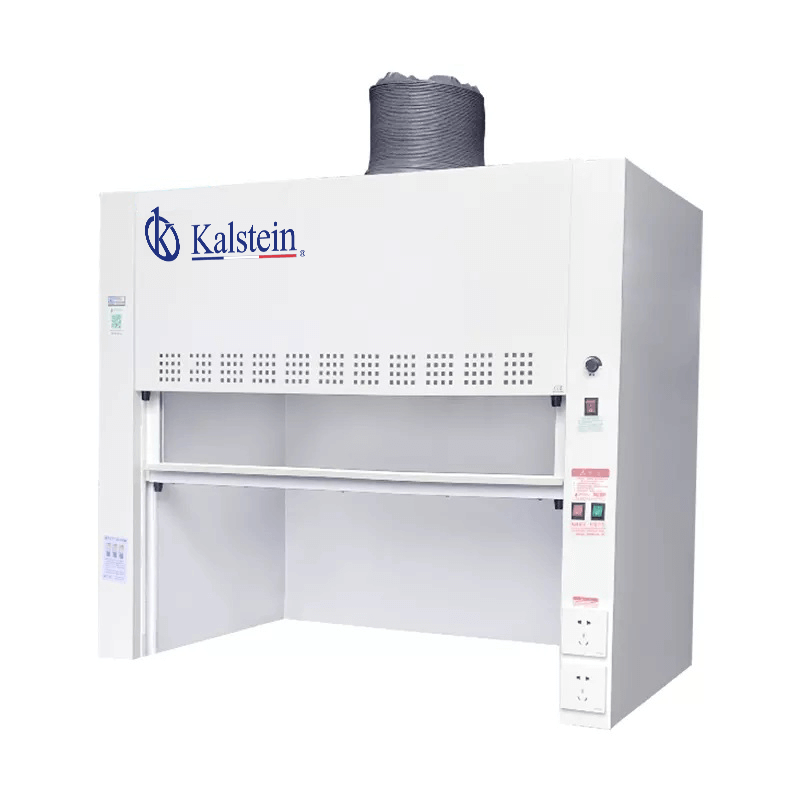
Ensuring Biosafety in Laboratory Work: Safe Handling Protocols with Fume Hood Cabinets
In laboratory environments, ensuring the safety of operators while handling hazardous materials is paramount. The integration of biosafety protocols with the proper use of fume hood cabinets is vital for minimizing exposure to harmful substances. Fume hoods serve as a critical barrier, safeguarding laboratory personnel from toxic fumes, vapors, and particulate matter. This article delves into the significance of safe handling protocols and explores various fume hood cabinet models, including their features and applications in promoting biosafety.
Understanding Biosafety Protocols in Laboratory Settings
Biosafety protocols are designed to protect laboratory personnel, the environment, and the community from exposure to pathogens and hazardous chemicals. These protocols include guidelines for the safe handling of biohazardous materials, waste management, and emergency response procedures. Implementing effective biosafety measures is essential in laboratories that engage in research, diagnostics, or any work involving potentially harmful substances. Fume hood cabinets are integral to these protocols, providing essential ventilation and containment.
Role of Fume Hood Cabinets in Biosafety
Fume hood cabinets play a crucial role in maintaining a safe laboratory environment. By effectively ventilating and containing hazardous fumes, these cabinets help prevent operator exposure to potentially dangerous substances. When using fume hoods, it is essential to understand their function — they work by drawing air into the cabinet, filtering it through HEPA or carbon filters, and expelling clean air back into the laboratory or outside. Selecting the right fume hood cabinet model is vital for ensuring compliance with biosafety standards.
Comparison of Available Models
| Model Code | External Dimensions (mm) | Internal Dimensions (mm) | Airflow Velocity (m/s) | Price (USD) |
|---|---|---|---|---|
| YR05808 | 650 x 650 x 1000 | 450 x 600 x 750 | 0.4-0.6 | 390.00 |
| YR05809 | 800 x 650 x 1000 | 600 x 600 x 750 | 0.4-0.6 | 420.00 |
| YR05810 | 1000 x 650 x 1000 | 800 x 600 x 750 | 0.4-0.6 | 470.00 |
| YR05811 | 1000 x 650 x 1000 | 1000 x 600 x 750 | 0.4-0.6 | 508.00 |
| YR05812 | 1500 x 650 x 1000 | 1300 x 600 x 750 | 0.4-0.6 | 526.00 |
| YR05813 | 800 x 650 x 1900 | 600 x 600 x 750 | 0.4-0.6 | 610.00 |
Common Mistakes and How to Avoid Them
One of the most frequent mistakes in laboratory settings is the improper use of fume hoods. Operators often fail to utilize the fume hood correctly, leading to potential exposure to hazardous substances. It is crucial to ensure that the fume hood is tested and certified for proper airflow before operation. Additionally, cluttering the workspace or blocking airflow can significantly reduce the hood's effectiveness. Regular training and adherence to established protocols can prevent these common issues.
Key Features to Look for in Fume Hood Cabinets
When selecting a fume hood cabinet, several key features must be considered to ensure compliance with biosafety protocols. Look for models that offer adjustable airflow controls, high-quality construction materials resistant to chemicals, and proper containment features. Additionally, the presence of LED lighting and easy-to-use controls can enhance usability while maintaining safety standards.
How Fume Hood Cabinets Enhance Laboratory Safety
Fume hood cabinets significantly enhance laboratory safety by providing effective ventilation and containment of hazardous chemicals. By ensuring that toxic fumes are safely redirected away from operators, these cabinets minimize the risk of inhalation and exposure. Furthermore, integrating safety alarms and monitoring systems in these cabinets can alert users to airflow issues or potential malfunctions, further enhancing safety protocols.
FAQs on Biosafety and Fume Hood Cabinets
What are the most critical biosafety standards for laboratory fume hood cabinets?
In laboratories, important biosafety standards include compliance with ISO 17025. Fume hood cabinets like YR05810 can help meet these standards by ensuring proper airflow and containment of hazardous materials.
How often should fume hood cabinets be tested for safety compliance?
Fume hood cabinets should be tested at least once a year to ensure compliance with safety standards. Models such as YR05809 provide reliable performance when regularly maintained and tested.
What features in fume hood cabinets support safe operator handling?
Fume hood cabinets equipped with adjustable airflow, LED lighting, and user-friendly controls—like the YR05812—support safe operator handling, reducing the risk of accidents in the lab.
How do fume hood cabinets protect against hazardous chemical exposure?
Fume hood cabinets protect against hazardous chemical exposure by ventilating harmful fumes away from the operator. Models like YR05811 are designed specifically to provide safe environments while handling volatile substances.
What is the importance of airflow velocity in a fume hood cabinet?
Airflow velocity is crucial in a fume hood cabinet as it determines the effectiveness of containment. Models such as YR05808 maintain optimal airflow velocity of 0.4-0.6 m/s to ensure operator safety.
How can laboratories minimize the risks associated with fume hood operation?
Laboratories can minimize risks by providing proper training, ensuring regular maintenance, and using fume hood models like YR05813 that feature built-in safety monitoring systems for optimal performance.
What are the regulatory implications of using fume hood cabinets in laboratories?
Using fume hood cabinets like YR05810 has regulatory implications as they must comply with safety standards such as ISO 17025, ensuring that laboratories maintain a safe working environment.
What maintenance practices are recommended for fume hood cabinets?
Regular maintenance practices such as cleaning, testing for airflow, and inspecting for damages are recommended for fume hood cabinets. Models such as YR05812 can be easily maintained to ensure longevity and compliance.
If you are looking for a fusion of innovation and quality, you have come to the right place. At Kalstein, we offer you the luxury of exploring our exclusive catalog of laboratory equipment. We manufacture every device to the highest standards of excellence. Our intuitive and seamless online purchasing channels are designed for your convenience, securing the most competitive prices. Hesitate no longer — we bring science to life, it is time to become part of our community.