Ensuring Biosafety Protocols in Histopathology: Operator Safety with Advanced Consumables
In the field of histopathology, biosafety protocols are critical to ensuring the safety of laboratory personnel and the integrity of specimens. Utilizing high-quality consumables is essential to mitigate risks associated with handling biological materials. This article will delve into the biosafety protocols tailored for laboratory professionals, emphasizing how various consumables can enhance operator protection and compliance with safety standards.
Understanding Biosafety Levels and Their Importance
Biosafety levels (BSL) are crucial in defining the necessary precautions for handling biological agents. Laboratories must adhere to specific BSL guidelines dependent on the pathogens involved. Level 1 (BSL-1) labs work with well-characterized agents that do not cause disease in healthy humans, while Level 2 (BSL-2) labs deal with moderately hazardous agents. Compliance with these levels protects laboratory personnel and ensures high-quality outcomes in histopathological analyses.
Effective Personal Protective Equipment (PPE)
Personal Protective Equipment (PPE) is a cornerstone of biosafety protocols. Laboratory personnel must wear appropriate PPE, including gloves, gowns, masks, and eye protection, when handling histopathological specimens. The selection of suitable PPE reduces the risk of exposure and contamination, thus ensuring a safe working environment. Manufacturers should comply with international standards for PPE to guarantee maximum protection during histological processes.
Key Biosafety Protocols for Handling Histopathology Samples
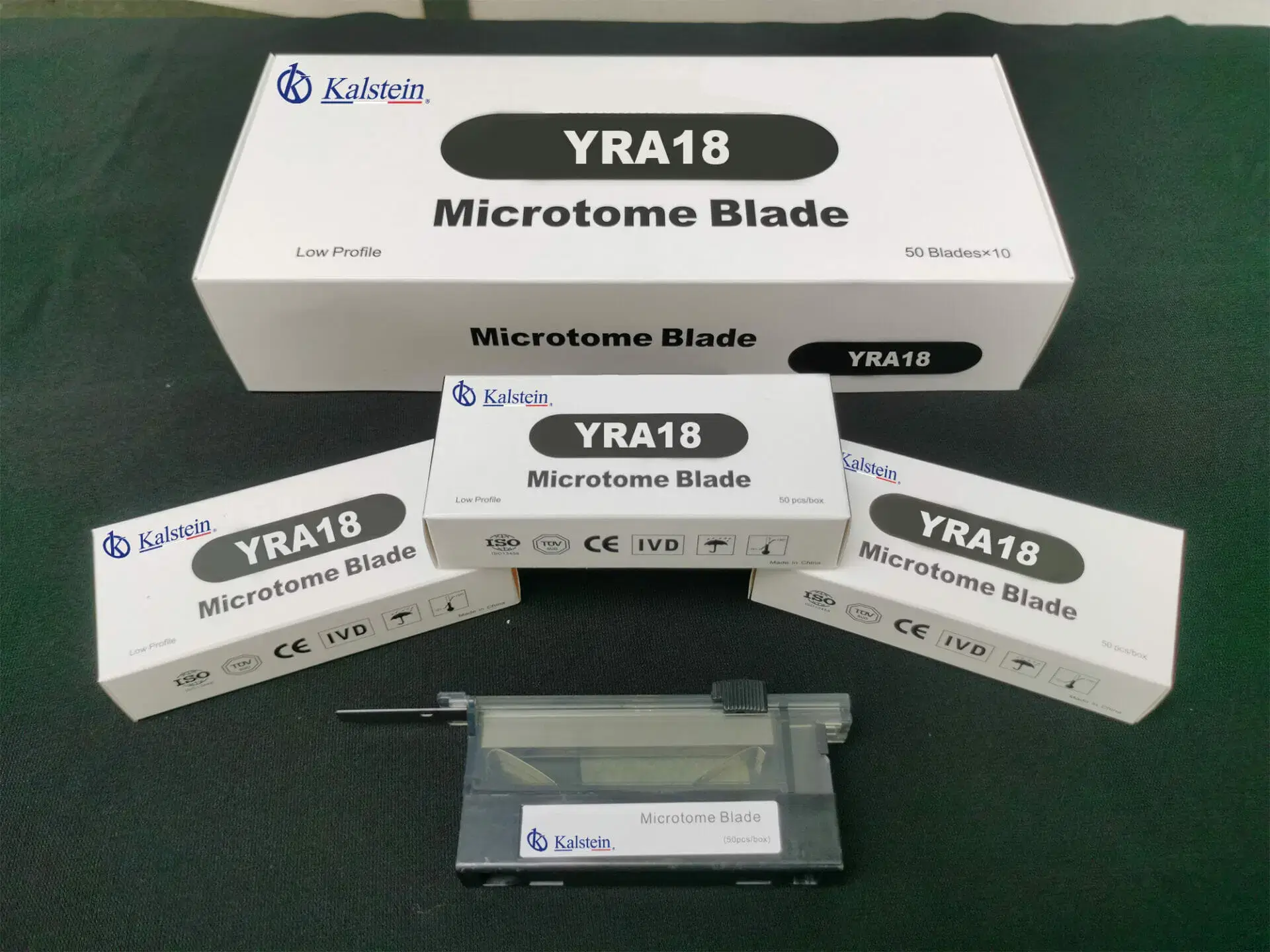
Implementing robust biosafety protocols is essential for managing histopathological samples. Key protocols include the safe handling of specimens, proper waste disposal, and decontamination of surfaces and equipment. Utilizing high-quality consumables, such as the Disposable Microtome Blades YRA18-1 and YRA19-1, can minimize contamination risks and improve sample processing efficiency. Regular training and assessments also help in reinforcing these protocols within laboratory settings.
Decontamination Protocols to Ensure Safety
Decontamination protocols are vital in preventing the spread of pathogens in histopathology labs. Effective decontamination should include cleaning surfaces and equipment that come in contact with biological materials. Utilizing consumables like granular paraffin YRA33-3 provides an efficient medium for embedding tissue samples while minimizing risks associated with hazardous biological agents. Regular audits of decontamination practices ensure compliance with safety standards.
Risk Assessment Matrices in Histopathology
Conducting risk assessments is crucial for identifying potential hazards in histopathology labs. Risk assessment matrices help laboratory managers evaluate the likelihood and impact of various risks, enabling them to implement appropriate biosafety measures. For instance, the use of Disposable Microtome Blades, like the YRA19-1, can be incorporated into risk mitigation strategies to ensure that all procedures are compliant with BSL-2 standards.
Comparison of Available Models
| Model | Description | Recommended Scenario | Price (USD) |
|---|---|---|---|
| YRA18-1 | Disposable microtome blade (Low profile) | Efficient sample slicing for routine histopathology | 10000.00 |
| YRA19-1 | Disposable microtome blade (High profile) | Precise cutting for challenging tissue samples | 1600.00 |
| YRA20-1 | Tissue embedding cassette | Embedding for optimal preservation of tissue samples | 252.00 |
| YRA21-1 | Plastic cassette with plastic cover | Durable housing for histological samples | 144.00 |
| YRA33-2 | Paraffin block | Embedding medium for histopathological samples | 60.00 |
| YRA33-3 | Granular paraffin | High-quality embedding material | 60.00 |
Common Mistakes and How to Avoid Them
Laboratory professionals often make common mistakes that can compromise biosafety. One prevalent mistake is inadequate training on the use of consumables, leading to improper handling of equipment and specimens. Ensuring regular training and up-to-date protocols is vital for maintaining safety standards. Additionally, neglecting to perform regular audits of biosafety practices can result in gaps in compliance. Utilizing models like the YRA20-1 embedding cassette can prevent such errors by providing reliable specimen housing.
Frequently Asked Questions
What biosafety protocols should be followed when using histopathology consumables?
To ensure safety when using histopathology consumables, laboratories must adhere to BSL guidelines and implement proper PPE usage, decontamination protocols, and waste disposal methods. Utilizing high-quality consumables like Disposable Microtome Blades YRA19-1 enhances safety by reducing contamination risks during sample processing.
How can I ensure operator safety in a histopathology laboratory?
Operator safety in histopathology labs can be enhanced by implementing strict biosafety protocols, providing adequate training on PPE usage, and ensuring the use of reliable consumables. Models like the tissue embedding cassette YRA20-1 offer improved sample handling, minimizing exposure to hazardous materials.
Which histopathology consumables comply with BSL-2 requirements?
Consumables such as the Disposable Microtome Blades YRA18-1 and YRA19-1 are designed with BSL-2 compliance in mind. Their precision cutting capabilities allow for safe handling of challenging tissue samples, ensuring that operators remain protected during procedures.
What are the risks associated with poor biosafety practices in histopathology?
Poor biosafety practices in histopathology can lead to exposure to pathogenic materials, contamination of samples, and potential health risks for laboratory personnel. Using consumables like the granular paraffin YRA33-3 can help mitigate these risks by ensuring high-quality embedding processes that adhere to safety standards.
How often should biosafety audits be conducted in a histopathology lab?
Biosafety audits should be conducted regularly, ideally every 6-12 months, to ensure compliance with safety protocols and identify any improvements needed. These audits can help confirm that consumables like the Disposable Microtome Blades YRA19-1 are used effectively to maintain a safe laboratory environment.
What role do PPE and consumables play in maintaining laboratory safety?
PPE and consumables play a crucial role in maintaining laboratory safety by providing barriers against exposure to hazardous materials. Utilizing high-quality consumables, such as YRA21-1 plastic cassettes, ensures safe handling of specimens while effective PPE reduces the risk of operator contamination.
How can I improve workflow efficiency in histopathology labs?
Improving workflow efficiency in histopathology labs can be achieved by implementing standardized protocols, utilizing high-quality consumables, and ensuring proper training of personnel. For example, using the tissue embedding cassette YRA20-1 can streamline embedding processes, thereby enhancing overall laboratory productivity.
What is the best way to select consumables for histopathology applications?
Selecting consumables for histopathology applications involves evaluating the specific needs of the lab, such as compliance with safety standards, quality of materials, and compatibility with existing equipment. Models like the Disposable Microtome Blades YRA18-1 and YRA19-1 are excellent choices that enhance precision and safety.
If you are looking for a fusion of innovation and quality, you have come to the right place. At Kalstein, we offer you the luxury of exploring our exclusive catalog of laboratory equipment. We manufacture every device to the highest standards of excellence. Our intuitive and seamless online purchasing channels are designed for your convenience, securing the most competitive prices. Hesitate no longer — we bring science to life, it is time to become part of our community.