Ensuring Biosafety in Horizontal Electrophoresis: Key Protocols for Operator Safety
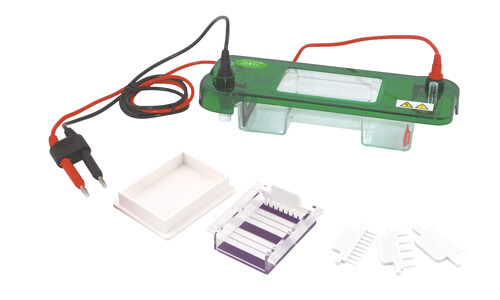
Horizontal electrophoresis is a vital technique used in laboratories to separate macromolecules like DNA, RNA, and proteins. However, ensuring the safety of laboratory operators during such processes is paramount. This article delves into critical biosafety protocols and the secure handling practices that operators must follow while using horizontal electrophoresis equipment.
Understanding Biosafety Levels in Electrophoresis
Biosafety levels (BSL) are essential in determining the appropriate practices and equipment required to protect laboratory personnel. In the context of horizontal electrophoresis, understanding BSL can guide operators in selecting the right personal protective equipment (PPE) and containment protocols based on the biological material they are working with.
Personal Protective Equipment (PPE) Requirements
Appropriate PPE is critical in preventing exposure to hazardous materials during electrophoresis. Operators should don gloves, lab coats, and safety goggles when handling reagents or samples. Special attention should be given to puncture-resistant gloves when working with sharp implements like combs used in gel preparation.
Aerosol Containment Strategies
Electrophoresis can generate aerosols, particularly during gel loading and staining processes. To mitigate inhalation risks, laboratories should utilize fume hoods or biosafety cabinets (BSCs) when performing procedures that could create aerosols. This is particularly crucial when working with pathogenic microorganisms or toxic reagents.
Decontamination Protocols
Regularly decontaminating work surfaces is essential in minimizing contamination risks. After completing electrophoretic assays, operators should use appropriate disinfectants to clean surfaces and equipment. Furthermore, waste disposal should follow regulatory guidelines to ensure a safe laboratory environment.
Risk Assessment Matrices
Conducting thorough risk assessments for all electrophoresis procedures can help identify potential hazards and implement necessary control measures. A risk assessment matrix can assist operators in evaluating the likelihood and consequences of exposure, informing their safety practices.
Comparison of Available Models
| Model | Gel Size (WxL) | Sample Volume | Buffer Volume | Dimensions (mm) | Net Weight (Kg) | Best For |
|---|---|---|---|---|---|---|
| YR03415 | 186x205 | 3, 5, 9 | ~150 | 250 x 90 x 50 | 0.4 | Versatile gel electrophoresis |
| YR03416 | 78x100 | 10, 15 | ~400 | 365 x 105 x 55 | 0.6 | Compact experiments |
| YR03417 | Multiple Sizes | 3-25 | ~550 | 300 x 160 x 75 | 1.1 | High capacity workflows |
| YR03418 | Multiple Sizes | 1-29 | ~900 | 390 x 187 x 63 | 2.0 | Large-scale applications |
| YR03419 | Multiple Sizes | 3-26 | ~600 | 305 x 152 x 80 | 1.7 | Diverse experimental setups |
| YR03420 | 200x200 | 17-44 | ~1800 | 397 x 230 x 93 | 3.3 | Extensive research projects |
Common Mistakes and How to Avoid Them
Operators often overlook critical biosafety measures when performing electrophoresis. Common mistakes include failing to properly wear PPE, neglecting to decontaminate surfaces, and not conducting risk assessments before experiments. To avoid these pitfalls, laboratories should implement training programs and post visible reminders about necessary biosafety protocols.
Frequently Asked Questions
What are the essential biosafety protocols for horizontal electrophoresis?
Essential biosafety protocols for horizontal electrophoresis include wearing PPE such as gloves and goggles, using fume hoods for aerosol-generating procedures, and implementing strict decontamination practices post-experiment. Utilizing models like YR03415 can enhance safety due to their user-friendly design.
How can I ensure safe handling of biological samples in electrophoresis?
To ensure safe handling of biological samples in electrophoresis, use appropriate PPE, utilize aerosol containment strategies, and adhere to decontamination protocols. Models like YR03417 are designed to accommodate various sample volumes while maintaining safety standards.
What training is necessary for laboratory staff using electrophoresis equipment?
Laboratory staff using electrophoresis equipment should undergo training that covers biosafety practices, proper equipment handling, and emergency response procedures. Familiarization with models such as YR03420 can enhance understanding of specific operational protocols.
Which horizontal electrophoresis models are best for high throughput?
For high throughput, models like YR03418 and YR03420 are recommended due to their larger gel sizes and sample capacities, allowing maximum efficiency in laboratory workflows while adhering to safety protocols.
What are common decontamination methods for electrophoresis equipment?
Common decontamination methods for electrophoresis equipment include using bleach solutions, ethanol wipes, or commercially available disinfectants approved for laboratory use. Ensuring these practices are followed when using models like YR03419 is crucial for maintaining a safe environment.
How do I assess risks associated with electrophoresis procedures?
To assess risks associated with electrophoresis procedures, perform a thorough risk assessment matrix that evaluates potential hazards and outlines necessary control measures, particularly when working with models like YR03416 that handle various biological samples.
What is the importance of risk assessment in laboratory biosafety?
Risk assessment in laboratory biosafety is vital for identifying potential hazards, assessing their likelihood, and implementing appropriate control measures to protect operators. Models such as YR03415 can enhance safety by allowing operators to evaluate risk efficiently.
How can I improve laboratory safety when using electrophoresis systems?
Improving laboratory safety when using electrophoresis systems involves regular training, strict adherence to biosafety protocols, and utilizing high-quality equipment like the YR03418 model, which incorporates features that support safe handling practices.
If you are looking for a fusion of innovation and quality, you have come to the right place. At Kalstein, we offer you the luxury of exploring our exclusive catalog of laboratory equipment. We manufacture every device to the highest standards of excellence. Our intuitive and seamless online purchasing channels are designed for your convenience, securing the most competitive prices. Hesitate no longer — we bring science to life, it is time to become part of our community.