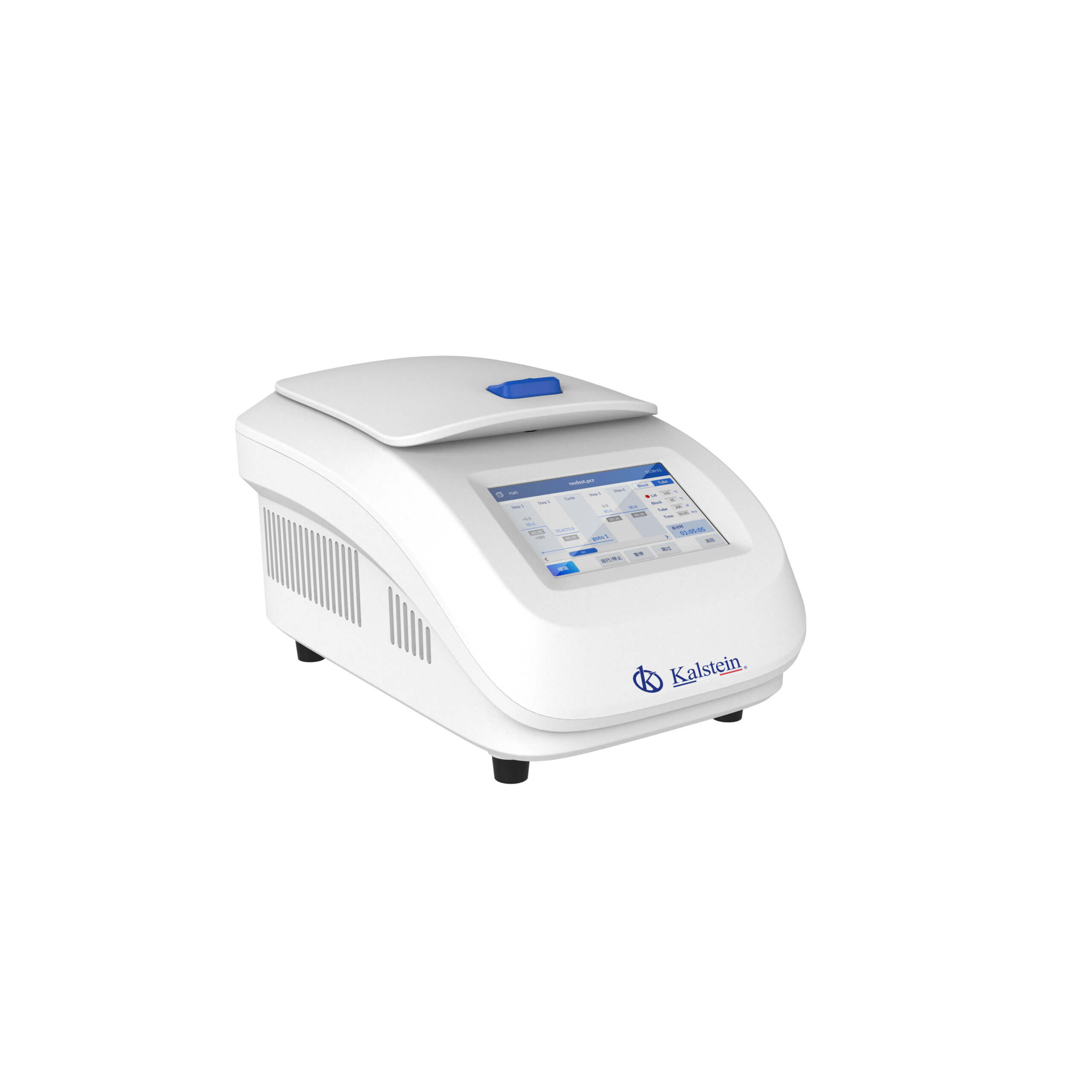
Ensuring Biosafety and Safe Operator Management in Biochemical BOD Incubators
Biochemical BOD incubators play a crucial role in laboratory environments, particularly in analyzing biochemical oxygen demand. However, ensuring biosafety and implementing proper operator management protocols is vital to protect personnel and maintain laboratory integrity. As laboratory professionals, understanding biosafety protocols, operator safety measures, and effective management techniques specific to biochemical BOD incubators is imperative for optimal functionality and compliance.
Understanding Biosafety Protocols for Biochemical BOD Incubators
The primary focus of biosafety protocols in laboratories using biochemical BOD incubators centers around minimizing exposure to hazardous materials and ensuring a safe working environment. These protocols must adhere to established safety levels (BSL) for various laboratory processes. Key safety measures include Personal Protective Equipment (PPE), decontamination procedures, and proper handling techniques for samples and reagents.
Operator Safety Measures in the Laboratory
Operator safety is paramount when utilizing biochemical BOD incubators. Implementing strict guidelines for PPE, such as gloves, lab coats, and safety goggles, mitigates the risk of chemical exposure. Furthermore, understanding the properties of the samples and reagents used is essential for evaluating risks and establishing adequate safety protocols. Regular training for laboratory staff on safe handling practices also reinforces a culture of safety.
Comparison of Available Models
| Model Code | Temperature Range | Heating Speed | Power Consumption | Best for |
|---|---|---|---|---|
| YR05889 | R.T. -25℃ ~100℃ | ≥ 7℃/min | 200W | Sample preservation and DNA amplification |
| YR05890 | R.T. +5℃ ~100℃ | ≥ 7℃/min | 250W | Sample reactions and protein denaturation |
| YR05891 | RT+5℃ ~100℃ | ≤ 15m | 48W | Field deployments and quick inspections |
| YR05892 | RT+5℃ ~100℃ | ≤ 15m | 60W | Small laboratories and rapid tests |
| YR05893 | RT+5℃ ~100℃ | ≤ 15m | 120W | Compact applications and low-budget setups |
| YR05894 | RT+5℃ ~105℃ | ≤ 10m | 150W | General sample reactions and quality control |
Common Mistakes and How to Avoid Them
Laboratory professionals often encounter pitfalls when working with biochemical BOD incubators. Common mistakes include neglecting the calibration of the incubators, failing to adhere to biosafety standards, and improper sample handling methods. To avoid these issues, establish strict protocols, ensure regular maintenance and calibration of the incubators, and provide continual training for laboratory staff on safe practices.
Importance of Standard Operating Procedures (SOPs)
Establishing Standard Operating Procedures (SOPs) is critical in ensuring compliance with biosafety regulations. SOPs should outline the specific procedures for handling samples, operating equipment like biochemical BOD incubators, and disposing of hazardous waste. Regular reviews and updates of these SOPs ensure they remain relevant and effective in addressing evolving safety standards.
Risk Assessment in Laboratory Operations
Conducting thorough risk assessments is essential for identifying potential hazards in laboratory environments. This involves evaluating chemical properties, assessing potential routes of exposure, and determining the appropriate safety measures. Implementing a risk assessment matrix can help visualize the likelihood and severity of potential risks, allowing for informed decisions regarding safety protocols and equipment usage.
Training and Education for Laboratory Staff
Regular training and education of laboratory staff are crucial for maintaining safety and compliance. Training should encompass biosafety measures, equipment operation, and emergency procedures. Engaging staff in hands-on training sessions using biochemical BOD incubators fosters a deeper understanding of biosafety protocols and enhances overall operational safety.
Frequently Asked Questions
What are the biosafety requirements for using biochemical BOD incubators?
To ensure compliance when using biochemical BOD incubators like the YR05889, laboratories must adhere to BSL guidelines, which include wearing appropriate PPE and following decontamination protocols. Understanding these requirements is crucial for maintaining a safe laboratory environment.
How can I implement effective operator management for BOD incubators?
Effective operator management for BOD incubators can be implemented through regular training sessions and strict adherence to SOPs. Using models like YR05890, which incorporates temperature control, can enhance safety and operational efficiency.
What is the importance of calibration for biochemical BOD incubators?
Calibration ensures the accuracy of biochemical BOD incubators such as YR05894, which is essential for reliable results in biochemical analysis. Regular calibration prevents deviations in temperature and ensures compliance with laboratory standards.
How often should laboratory staff be trained on safety protocols?
Laboratory staff should undergo biosafety training at least annually or whenever new equipment, like the YR05891, is introduced. Ongoing education helps mitigate risks and reinforces safety measures in the laboratory.
What type of samples can be processed in biochemical BOD incubators?
Biochemical BOD incubators, such as the YR05890, can process a variety of samples, including biological fluids and environmental samples for biochemical oxygen demand analysis. Proper handling procedures are critical for safety and accuracy.
Which model is best for small laboratory environments?
The YR05891 Mini Dry Bath Incubator is ideal for small laboratory environments due to its compact size and efficient performance. It is particularly suited for rapid inspections and small-scale experiments.
How can I ensure compliance with laboratory safety standards?
Ensuring compliance with laboratory safety standards involves implementing SOPs, conducting risk assessments, and utilizing equipment like the YR05894. Regular reviews of safety protocols and equipment maintenance are vital for continued compliance.
What are the common safety hazards associated with biochemical incubation tests?
Common safety hazards in biochemical incubation tests include chemical exposure and contamination risks. Using models such as YR05890 with integrated safety features can mitigate these hazards and promote safe laboratory practices.
If you are looking for a fusion of innovation and quality, you have come to the right place. At Kalstein, we offer you the luxury of exploring our exclusive catalog of laboratory equipment. We manufacture every device to the highest standards of excellence. Our intuitive and seamless online purchasing channels are designed for your convenience, securing the most competitive prices. Hesitate no longer — we bring science to life, it is time to become part of our community.