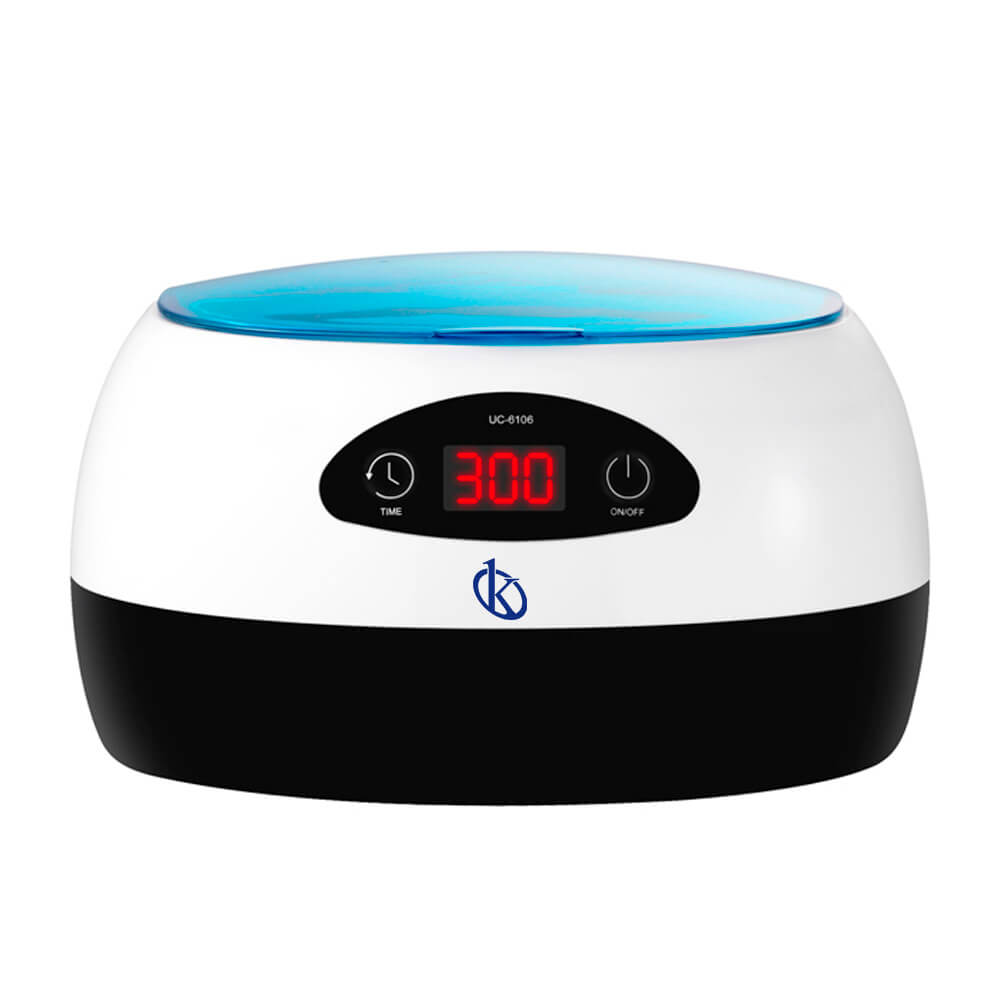
Ensuring Biosafety and Safe Operator Management with Digital Desktop Ultrasonic Cleansers
In laboratory environments, the implementation of effective biosafety protocols is crucial for the safety of operators. Digital desktop ultrasonic cleansers play a significant role in achieving these safety standards by ensuring thorough cleaning and decontamination of laboratory tools and equipment. This article delves into the application of ultrasonic cleaning devices in maintaining safe working conditions, particularly focusing on models designed for operator safety and compliance with biosafety regulations.
The Role of Ultrasonic Cleaners in Biosafety Protocols
Ultrasonic cleaners, particularly digital desktop models, utilize high-frequency sound waves to create microscopic bubbles in cleaning solutions, which collapse and release high energy. This cavitation effect results in the efficient removal of contaminants from surfaces, making these devices essential in laboratories, clinics, and jewelry cleaning. By integrating ultrasonic cleaning into biosafety protocols, laboratories can ensure that their equipment remains free of dangerous contaminants, thus protecting operators and maintaining compliance with health regulations.
Key Features of Digital Desktop Ultrasonic Cleansers for Operator Safety
Digital desktop ultrasonic cleansers are designed with several features that enhance operator safety. Key characteristics include:
- Digital Control Settings: Allow precise adjustment of cleaning cycles and temperatures, minimizing the risk of exposure to hazardous materials.
- Durable Construction: Made from environmentally-friendly ABS plastic, ensuring longevity and resistance to chemical damage.
- Safety Alarms: Some models are equipped with alert systems that notify users of malfunction or maintenance needs.
Comparison of Available Models
| Model | Capacity | Power | Frequency | Best For |
|---|---|---|---|---|
| YR05231 | 750 ml | 50 W | 42 KHz | General laboratory use |
| YR05232 | 1400 ml | 60 W | 40 KHz | Jewelry cleaning |
| YR05229 | 600 ml | 50 W | 42 KHz | Lens cleaning |
| YR05230 | 2.5 L | 60 W | 42 KHz | Dental applications |
Common Mistakes and How to Avoid Them
When utilizing digital desktop ultrasonic cleansers for biosafety, several common mistakes can jeopardize the effectiveness of cleaning protocols:
- Using Incorrect Cleaning Solutions: Always use solutions recommended for ultrasonic cleaners to avoid damaging the equipment.
- Overloading the Tank: Overloading can inhibit cavitation, resulting in inadequate cleaning. Follow the manufacturer’s guidelines for optimal load size.
- Neglecting Regular Maintenance: Regular checks and maintenance of the unit are essential for consistent performance and operator safety.
Best Practices for Safe Operator Management
Implementing best practices in conjunction with ultrasonic cleaning can enhance operator safety significantly. Operators should:
- Wear appropriate Personal Protective Equipment (PPE) such as gloves and goggles to minimize exposure to cleaning chemicals.
- Be trained in the proper operation and maintenance of ultrasonic cleaners to reduce risks of accidents.
- Maintain proper ventilation in the cleaning area to prevent the accumulation of hazardous vapors.
Integrating Ultrasonic Cleaners into a Biosafety Management System
Digital desktop ultrasonic cleaners can be effectively integrated into a laboratory's biosafety management system. Essential steps include:
- Conducting risk assessments to identify potential hazards associated with cleaning processes.
- Establishing Standard Operating Procedures (SOPs) that outline cleaning protocols, equipment usage, and safety measures.
- Regularly reviewing and updating safety protocols based on evolving best practices and regulatory requirements.
Frequently Asked Questions
What are the biosafety benefits of using YR05231 digital ultrasonic cleaner in labs?
The YR05231 digital ultrasonic cleaner enhances biosafety by effectively removing contaminants from laboratory tools, ensuring compliance with safety regulations. Its 750 ml capacity and 42 KHz frequency make it suitable for general cleaning tasks, providing a thorough wash that protects operator health.
How can YR05232 ultrasonic cleaner improve operator safety during jewelry cleaning?
The YR05232 ultrasonic cleaner, designed specifically for jewelry, minimizes operator exposure to harsh chemicals by efficiently cleaning items using ultrasonic waves. Its 1400 ml capacity and 60 W power enhance cleaning effectiveness while adhering to biosafety protocols.
Which ultrasonic cleaner model is best for dental applications concerning biosafety?
The YR05230 model stands out for dental applications, offering a 2.5 L tank and 60 W power. Its design caters to the unique cleaning needs of dental tools, ensuring a biosafe environment through effective decontamination.
How does the use of ultrasonic cleaners align with ISO biosafety standards?
Ultrasonic cleaners like the YR05229 aid in meeting ISO biosafety standards by providing thorough cleaning and decontamination of instruments, which is critical for maintaining safe laboratory practices and protecting operator health.
What protocols should be followed for safe operation of ultrasonic cleaners in labs?
Operators should follow strict protocols, including wearing PPE, adhering to cleaning solution guidelines, and regularly maintaining the ultrasonic cleaners like YR05231 to ensure safe and effective operation.
How can ultrasonic cleaning reduce risks in laboratory environments?
Ultrasonic cleaning reduces risks by effectively eliminating contaminants from equipment, which safeguards operators against potential exposure to hazardous materials. Models like YR05230 are designed for such critical applications.
What maintenance is necessary for ultrasonic cleaners to ensure compliance with safety standards?
Regular maintenance, including cleaning and inspection of units like YR05232, is necessary to ensure their effective operation and compliance with laboratory safety standards. This helps maintain optimal performance and operator safety.
What safety features should I look for in a digital desktop ultrasonic cleanser?
When selecting a digital desktop ultrasonic cleanser, look for features such as digital controls, durable construction, and safety alarms, which ensure safe operation and longevity. The YR05231 offers many of these essential features.
If you are looking for a fusion of innovation and quality, you have come to the right place. At Kalstein, we offer you the luxury of exploring our exclusive catalog of laboratory equipment. We manufacture every device to the highest standards of excellence. Our intuitive and seamless online purchasing channels are designed for your convenience, securing the most competitive prices. Hesitate no longer — we bring science to life, it is time to become part of our community.