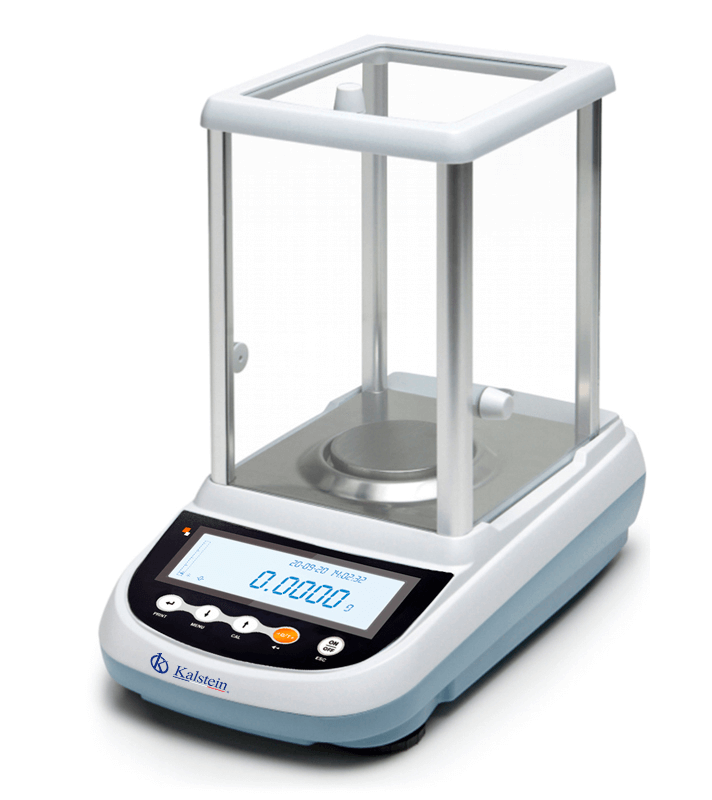
How to Ensure Biosafety Protocols and Operator Safety in Analytical Balances
In laboratory settings, ensuring the biosafety and safety of operators while using analytical balances is crucial. Analytical balances are essential instruments for precise measurement and require strict adherence to safety protocols to protect users and maintain the accuracy of results. This article delves into the key aspects of biosafety protocols, operator safety measures, and how various models of analytical balances uphold these standards.
Understanding Biosafety Protocols in Laboratory Settings
Biosafety protocols are a set of guidelines designed to prevent laboratory-acquired infections and accidents. They are particularly relevant when handling hazardous materials or when the accuracy of measurements can be influenced by environmental factors. Effective biosafety protocols reduce risk and ensure a safer working environment. Analytical balances, which are often used in sensitive applications, must comply with these protocols to maintain their reliability and safety.
Operational Safety in Laboratory Environments
Operational safety encompasses various practices aimed at minimizing risks to personnel. This includes using personal protective equipment (PPE), employing proper handling techniques, and implementing standard operating procedures (SOPs). By following these guidelines, laboratories can enhance the safety of users while ensuring the integrity of the measurements performed with analytical balances.
Key Biosafety Considerations When Using Analytical Balances
When utilizing analytical balances, specific biosafety considerations should be taken into account. This includes assessing the risks posed by hazardous substances, ensuring proper containment and ventilation, and employing decontamination protocols. Understanding the laboratory's biosafety level (BSL) helps in determining the appropriate safety measures to implement during operations.
Common Biosafety Levels and Their Implications for Analytical Balances
Biosafety levels range from BSL-1 to BSL-4, with BSL-1 representing the lowest risk level and BSL-4 representing the highest. Each level has specific requirements that must be met to ensure the safety of laboratory personnel. Analytical balances must be compatible with these requirements to assure accurate measurements without compromising safety. For instance, in a BSL-2 laboratory, a balance should be equipped with proper airflow designs to mitigate exposure risks.
Choosing Analytical Balances with Safety Features
When selecting analytical balances, it is essential to consider models that come with built-in safety features. For example, the YR05568 model boasts an internal calibration function that enhances measurement accuracy, ensuring that users can operate without fear of measurement errors due to environmental fluctuations. Additionally, models like the YR05573 are equipped with a robust housing that protects against spills and contamination.
Regular Calibration and Maintenance of Analytical Balances
Regular calibration is a cornerstone of maintaining both the accuracy of measurements and the safety of operations. Analytical balances should undergo routine checks to confirm their performance. Calibration protocols must be documented, and measures like humidity and temperature control should be in place to ensure compliance with regulations and standards.
Improving Laboratory Workflow Through Safety Protocols
Implementing effective biosafety protocols improves laboratory workflow by minimizing accidents and errors. When personnel are trained in the correct use of analytical balances, including adherence to safety protocols, the overall efficiency of laboratory operations can be enhanced. Training sessions should cover potential hazards associated with materials used, proper handling of balances, and emergency response plans.
Comparison of Available Models
| Model | Maximum Capacity (g) | Resolution (g) | Price (USD) | Best For |
|---|---|---|---|---|
| YR05568 | 220 | 0.1 mg | 790.00 | General laboratory use |
| YR05569 | 310 | 0.1 mg | 825.00 | Heavy duty applications |
| YR05570 | 410 | 0.1 mg | 1080.00 | Precise scientific research |
| YR05571 | 510 | 0.1 mg | 1125.00 | Pharmaceutical applications |
| YR05572 | 610 | 0.1 mg | 1240.00 | Advanced laboratory setups |
| YR05573 | 100 | 0.0001 | 325.00 | Jewelry and precision tasks |
Common Mistakes and How to Avoid Them
Laboratory professionals must be aware of common mistakes that can compromise safety and accuracy when using analytical balances. These include failing to calibrate regularly, improper use of PPE, and neglecting to follow SOPs. To avoid these pitfalls, training and continuous education on biosafety practices are essential. Ensuring that all laboratory personnel are aware of potential hazards and the importance of following protocols can prevent accidents and enhance the reliability of results.
Frequently Asked Questions
What are the best biosafety practices for using analytical balances in laboratories?
Implementing biosafety practices includes proper training on using analytical balances, maintaining a clean workspace, and ensuring proper PPE usage. Models like YR05568 can help ensure accurate measurements while following safety protocols.
How often should analytical balances be calibrated for safety compliance?
It is generally recommended to calibrate analytical balances at least once a month or before critical measurements. For example, the YR05573 model benefits from regular calibration to maintain precision and ensure compliance with safety standards.
Which analytical balances are suitable for BSL-2 laboratory environments?
Models such as the YR05571 and YR05572 are suitable for BSL-2 laboratories due to their robust safety features and compliance with environmental conditions necessary for accurate operations.
How can I improve operator safety when handling analytical balances?
Improving operator safety involves training staff on proper handling techniques, using PPE, and adhering to established SOPs. Analytical balances like the YR05570 enhance safety through their built-in features that minimize risks.
What role does PPE play in using analytical balances safely?
PPE minimizes exposure to hazardous materials and protects users during measurements. For instance, when using models like YR05569, wearing gloves and masks can prevent contact with harmful substances.
How do analytical balances support compliance with safety regulations?
Analytical balances, such as the YR05572, support compliance by providing precise measurements and documentation capabilities, ensuring that labs meet regulatory standards like ISO 17025.
What are the environmental considerations when using analytical balances?
Environmental considerations include maintaining appropriate temperature and humidity levels. Models like YR05573 are designed to function optimally within specified environmental ranges, which is essential for accurate measurements.
How can I ensure the accurate use of analytical balances in my lab?
Ensuring accuracy involves regular calibration, following SOPs, and using the right model for specific applications. The YR05570 model is an excellent choice for labs seeking high precision under strict protocols.
If you are looking for a fusion of innovation and quality, you have come to the right place. At Kalstein, we offer you the luxury of exploring our exclusive catalog of laboratory equipment. We manufacture every device to the highest standards of excellence. Our intuitive and seamless online purchasing channels are designed for your convenience, securing the most competitive prices. Hesitate no longer — we bring science to life, it is time to become part of our community.