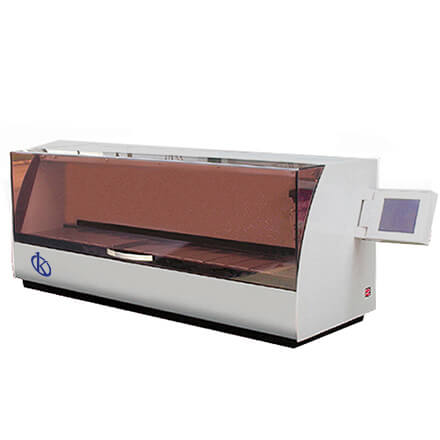
How to Ensure Biosafety and Operator Safety with Automatic Slide Stainers
In laboratory environments, especially within the realm of pathology, equipment like automatic slide stainers play a crucial role in the preparation of samples. However, ensuring biosafety and operator safety while using these devices is paramount. This article delves into essential protocols, compares various models, addresses common mistakes, and answers frequently asked questions, all connected to the safe usage of automatic slide stainers.
Biosafety Protocols for Automatic Slide Stainers
Biosafety protocols are essential to minimize risks associated with exposure to hazardous biological materials. Automatic slide stainers should operate within established safety guidelines, like those outlined by the Centers for Disease Control and Prevention (CDC) and the World Health Organization (WHO). These protocols include the use of appropriate personal protective equipment (PPE), proper training for operators, and ensuring that equipment is maintained regularly.
Among the biosafety levels (BSL), Level 2 and Level 3 are particularly relevant for labs utilizing automatic slide stainers. BSL-2 labs might work with moderate-risk agents, while BSL-3 labs deal with high-risk pathogens. Operators should be trained on the specific biosafety measures related to the particular automatic slide stainer in use.
Comparative Safety Features of Automatic Slide Stainers
When choosing an automatic slide stainer, it’s important to consider safety features that reduce risks associated with their operation. Features such as self-cleaning capabilities, secure reagent storage, and efficient drainage systems enhance safety by preventing spills and exposure to hazardous materials.
Key Safety Features of Selected Models
| Model | Safety Feature 1 | Safety Feature 2 | Best Use Case |
|---|---|---|---|
| YR435 | Intelligent water flow control | Ergonomic design for user comfort | Laboratories with high throughput |
| YR435-1 | Modular electronic design | Simultaneous or individual staining capability | Research labs needing flexibility |
| YR436-1 | Noise reduction transmission system | Compact footprint for close placement | Labs with space constraints |
Comparison of Available Models
| Model | Processing Capacity (Slides/hour) | Power Consumption (W) | Best for |
|---|---|---|---|
| YR435 | 72 | 500 | High-volume laboratories |
| YR435-1 | 400 | 200 | Special staining procedures |
| YR436-1 | Low to Medium | 400 | Compact laboratory setups |
Common Mistakes and How to Avoid Them
One common mistake labs make is underestimating the importance of routine maintenance on automatic slide stainers. Regular cleaning and calibration are essential for ensuring the safety and efficiency of these machines. Additionally, not training staff adequately on the operation and safety features can lead to accidents. Implementing a comprehensive training program and maintenance schedule can mitigate these risks.
Frequently Asked Questions
What are the specific biosafety protocols for using automatic slide stainers in laboratories?
The specific biosafety protocols for using automatic slide stainers include proper PPE usage, adherence to laboratory safety guidelines like CDC standards, and routine equipment maintenance to ensure safety. Models like YR435 come equipped with ergonomic designs to minimize operator discomfort while implementing these protocols.
How can I ensure operator safety when using the YR435 automatic slide stainer?
To ensure operator safety while using the YR435 automatic slide stainer, it is vital to follow established safety protocols, use appropriate PPE, and ensure that the machine is maintained regularly. The ergonomic design of the YR435 also contributes to operator safety by reducing strain during operation.
What features should I look for in an automatic slide stainer for enhanced safety?
When looking for enhanced safety in an automatic slide stainer, consider features like intelligent water flow control, self-cleaning capabilities, and ergonomic designs. The YR436-1, for example, has a noise reduction transmission system that contributes to a safer working environment by minimizing distractions.
How do automatic slide stainers comply with laboratory safety standards?
Automatic slide stainers comply with laboratory safety standards by integrating features that mitigate risks, such as secure reagent storage and intuitive user interfaces. Compliance with guidelines can be verified through proper documentation and routine audits, ensuring models like YR435 meet necessary safety criteria.
How does the design of the YR435-1 automatic slide stainer enhance operator safety?
The modular electronic design of the YR435-1 enhances operator safety by allowing for simultaneous or individual staining, minimizing the risk of exposure to harmful substances. Training on its features further ensures safe operation by enabling users to handle the equipment confidently.
What common mistakes should I avoid when using automatic slide stainers?
Common mistakes to avoid include neglecting routine maintenance, failing to provide adequate training for operators, and not following established biosafety protocols. Regular maintenance and comprehensive training on models like YR436-1 can significantly reduce risks associated with their use.
Which automatic slide stainer is best for high throughput while ensuring safety?
The YR435 is an excellent choice for high throughput operations while ensuring safety, as it processes 72 slides at once and features intelligent water flow control. This combination of efficiency and safety ensures that laboratory protocols are maintained without compromising operator well-being.
What are the energy consumption levels of various automatic slide stainers?
Energy consumption levels of automatic slide stainers vary by model: YR435 uses 500W, YR435-1 uses 200W, and YR436-1 utilizes 400W. Understanding these levels can help laboratories optimize their energy usage while maintaining safe operational standards.
If you are looking for a fusion of innovation and quality, you have come to the right place. At Kalstein, we offer you the luxury of exploring our exclusive catalog of laboratory equipment. We manufacture every device to the highest standards of excellence. Our intuitive and seamless online purchasing channels are designed for your convenience, securing the most competitive prices. Hesitate no longer — we bring science to life, it is time to become part of our community.