How to Ensure Biosafety Protocols with Portable Ion Meters?
In laboratory settings, the need for strict biosafety protocols is crucial, especially when working with portable ion meters. These instruments, essential for measuring ion concentrations, must be used in compliance with rigorous safety standards to protect operators and ensure accurate results. This article will delve into the specific biosafety protocols relevant to portable ion meters, highlighting best practices, potential risks, and effective measures for safe operation.
Understanding Biosafety Protocols for Portable Ion Meters
Biosafety protocols are guidelines designed to minimize exposure to biological hazards. For laboratory professionals working with portable ion meters, understanding these protocols is essential. Key aspects include the selection of appropriate personal protective equipment (PPE), regular training, and adherence to operational guidelines that ensure both user safety and data integrity.
Importance of Personal Protective Equipment (PPE)
Using portable ion meters in various applications can expose operators to hazardous materials. It is vital to equip laboratory personnel with proper PPE, including gloves, goggles, and lab coats. This protective gear not only shields against chemical splashes but also helps maintain the integrity of the measurement process by preventing contamination of samples. Regular assessments of PPE usability and fit are recommended to ensure maximum protection.
Operational Guidelines for Safe Use
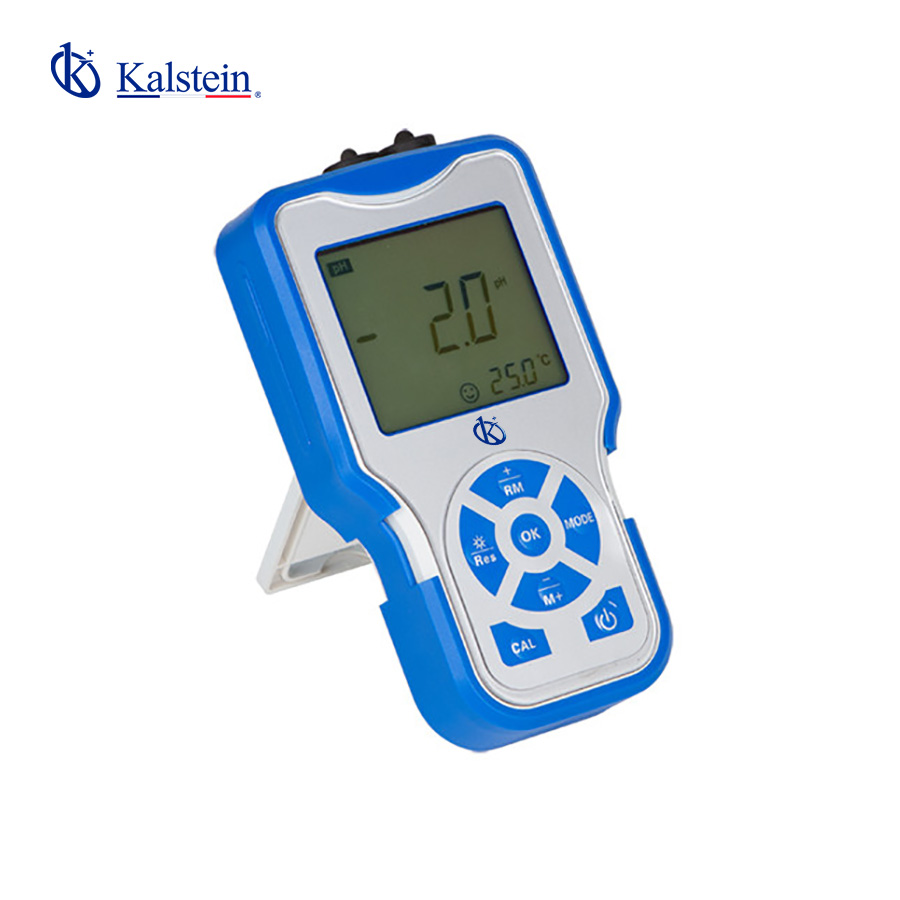
When utilizing portable ion meters, it is essential to follow operational guidelines that dictate safe usage practices. This includes proper calibration, regular maintenance of devices, and following the manufacturer's instructions for use. Ensuring that the instruments, such as the Portable pH/Ion Meter YR01816, are calibrated correctly can prevent erroneous results that may compromise safety protocols.
Risk Assessment and Management
Conducting risk assessments is a fundamental step in establishing biosafety protocols for portable ion meters. Laboratories must evaluate potential hazards associated with different ion measurement tasks and implement control measures to mitigate risks. This includes identifying hazardous ion concentrations and integrating fail-safes within the protocols to manage accidental exposures effectively.
Incorporating Training Programs
Regular training is crucial for laboratory personnel to remain proficient in biosafety protocols. Training should cover the correct use of portable ion meters, emergency procedures, and updates on biosafety regulations. Establishing a culture of safety through continuous education fosters an environment where employees are aware of their responsibilities and adept in implementing safety measures.
Reviewing Calibration and Maintenance Protocols
Portable ion meters require regular calibration and maintenance to ensure reliable performance. Protocols should include a detailed schedule for calibration checks, which is essential for maintaining accuracy. For instance, the Portable Ammonium Ion Meter YR01817-1 supports multi-point calibration, allowing operators to confirm that the device remains compliant with expected accuracy standards.
Comparison of Available Models
| Model | Best for | Calibration Points | Price (USD) | Precision |
|---|---|---|---|---|
| YR01816 | General Ion Measurement | 2 to 5 points | 94.00 | ± 0.5% F.S. |
| YR01817-1 | Ammonium Ion Analysis | 2 to 5 points | 229.00 | ± 0.5% F.S. |
| YR01817-10 | Outdoor Applications | 2 to 5 points | 500.00 | ± 0.5% F.S. |
| YR01817-11 | Field Use | 2 to 5 points | 500.00 | ± 0.5% F.S. |
| YR01817-12 | Portable Ammonium Measurement | 2 to 5 points | 500.00 | ± 0.5% F.S. |
| YR01817-13 | Analysis in Challenging Environments | 2 to 5 points | 500.00 | ± 0.5% F.S. |
Common Mistakes and How to Avoid Them
Laboratory professionals often encounter common pitfalls when using portable ion meters. One major mistake involves neglecting regular maintenance and calibration, resulting in inaccurate readings. Additionally, improper use of PPE can lead to exposure to hazardous materials. To avoid these issues, establish strict protocols for routine checks and ensure all personnel are trained in safety measures.
Frequently Asked Questions
How can I ensure my portable ion meter meets biosafety standards?
To ensure your portable ion meter, such as the YR01816, meets biosafety standards, regular calibration and adherence to safety protocols are essential. Maintaining a strict calibration schedule and using appropriate PPE will protect operators while ensuring accurate measurements.
What are the best practices for using portable ammonium ion meters safely?
Best practices for using portable ammonium ion meters, like the YR01817-1, include proper calibration, using PPE, and conducting regular maintenance checks. Training programs on safety protocols will enhance operator protection and equipment reliability.
Which portable ion meter is best for outdoor measurement applications?
The Portable Ammonium Ion Meter YR01817-10 is recommended for outdoor measurement applications. Its robust design and features support accurate data collection in various environmental conditions while maintaining operator safety.
What ion concentration ranges do portable ion meters typically measure?
Portable ion meters, such as the YR01816, typically measure ion concentration ranges from 0.001 to 19999, depending on calibration settings. This flexibility allows for precise measurements across different ion types and concentrations.
How often should I calibrate my portable ion meter?
Calibration frequency for portable ion meters like the YR01817-1 should be established based on usage and manufacturer recommendations. Generally, calibration should occur before critical measurements and at regular intervals to ensure data accuracy.
What are the risks associated with using portable ion meters?
Risks associated with using portable ion meters include exposure to hazardous materials and potential measurement inaccuracies. Implementing comprehensive biosafety protocols and using models like YR01816 can minimize these risks and enhance safety.
What features should I look for in a portable ion meter for laboratory use?
When selecting a portable ion meter for laboratory use, look for features such as multi-point calibration, LCD display, and reliability in diverse operating conditions. Models like the YR01817-1 provide these essential features for effective use.
How do portable ion meters contribute to laboratory safety?
Portable ion meters contribute to laboratory safety by providing accurate ion concentration measurements, reducing the risk of hazardous exposure. By following biosafety protocols when using instruments like the YR01817, labs can ensure a safer working environment.
If you are looking for a fusion of innovation and quality, you have come to the right place. At Kalstein, we offer you the luxury of exploring our exclusive catalog of laboratory equipment. We manufacture every device to the highest standards of excellence. Our intuitive and seamless online purchasing channels are designed for your convenience, securing the most competitive prices. Hesitate no longer — we bring science to life, it is time to become part of our community.