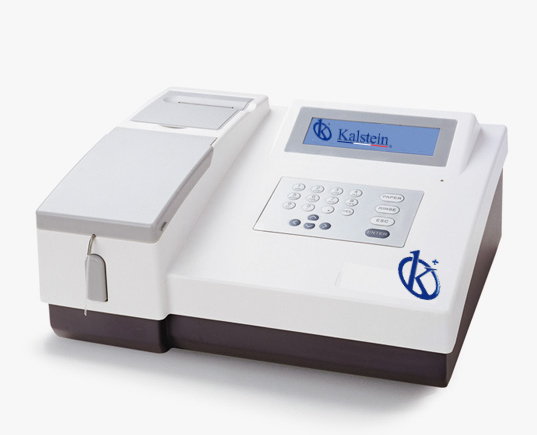
How to Ensure Biosafety Protocols and Operator Safety with Chemical Analyzers
In laboratories where chemical analyzers are utilized, ensuring the safety of operators and adherence to biosafety protocols is essential. This involves understanding the risks associated with chemical handling and implementing effective safety measures. This article delves into the various biosafety protocols and safe handling practices pertinent to chemical analyzers, particularly focusing on key models available in the market.
Understanding Biosafety Levels and Their Importance
Biosafety levels (BSLs) are critical in determining the appropriate containment measures and safety protocols for different laboratory settings. Each level corresponds to specific risks and the necessary precautions to safeguard laboratory personnel and the environment. BSL-1 involves minimal risk, while BSL-4 encompasses the highest risk, often requiring specialized facilities. Chemical analyzers must be operated according to these levels, ensuring that safety equipment and procedures are in place.
Key Safety Equipment and Personal Protective Equipment (PPE)
When working with chemical analyzers, the use of personal protective equipment (PPE) is vital. This includes lab coats, gloves, safety goggles, and face shields. Additionally, safety equipment like fume hoods and eyewash stations should be readily accessible. Training operators on the proper use of PPE and safety equipment is crucial to prevent accidents and exposure to hazardous materials.
Protocols for Handling Chemical Samples
Handling chemical samples requires strict adherence to safety protocols. Operators should receive training in proper sample handling techniques, including the use of proper labeling, storage, and disposal methods. Each chemical analyzer, such as the Semi-Automatic Chemistry Analyzer YR05115, should come equipped with detailed instructions on safe operation and handling of samples to minimize risks during testing.
Emergency Procedures for Chemical Exposure
In the event of chemical exposure, clear emergency procedures must be established. This includes immediate access to safety showers and eyewash stations, along with protocols for notifying emergency services. Regular drills should be conducted to ensure that all personnel are prepared to respond effectively to chemical incidents.
Training and Education on Biosafety
Regular training sessions on biosafety protocols are essential for all laboratory personnel. This training should cover the specific risks associated with the chemical analyzers being used, including the Semi-Automatic Chemistry Analyzer YR05114 and the Portable Chemical Analyzer YR06092. Ensuring that all staff members understand these protocols fosters a culture of safety and preparedness within the laboratory.
Regular Maintenance and Calibration of Analyzers
Regular maintenance and calibration of chemical analyzers are imperative for ensuring accurate test results and operator safety. Each model, including the Automatic Chemistry Analyzer YR06075, should follow a strict calibration schedule as per the manufacturer's recommendations. This not only ensures the integrity of test results but also helps prevent malfunctioning that could lead to hazardous situations.
Implementation of Risk Assessment Matrices
Conducting risk assessments is a proactive measure to identify potential hazards associated with chemical analyzers. Utilizing risk assessment matrices helps in prioritizing risks and implementing appropriate control measures. These matrices facilitate a structured approach to managing laboratory hazards effectively.
Comparison of available models
| Model | Best for | PPE Requirements | Safety Features |
|---|---|---|---|
| YR05115 | Standard chemical tests | Lab coat, gloves, goggles | Real-time curve visualization |
| YR05114 | Compact analysis | Lab coat, gloves, goggles | Touchscreen interface |
| YR06092 | Field testing | Lab coat, gloves, goggles | Portable design with digital display |
| YR06075 | High-throughput labs | Lab coat, gloves, goggles | Automatic washing system |
| YR05116 | Advanced chemical analysis | Lab coat, gloves, goggles | Enhanced reaction curve visualization |
| YR06078 | Diverse applications | Lab coat, gloves, goggles | Multiple wavelength options |
Common mistakes and how to avoid them
Laboratories often encounter several common pitfalls when implementing biosafety protocols with chemical analyzers. One frequent mistake is inadequate training on proper usage of PPE, leading to potential exposure to hazardous materials. Additionally, neglecting regular maintenance and calibration can compromise both safety and accuracy. To avoid these issues, laboratories should establish comprehensive training programs and adhere to diligent maintenance schedules.
Frequently asked questions
What biosafety protocols should be followed for using Chemical Analyzers?
Following biosafety protocols such as proper PPE usage, effective sample handling procedures, and regular training is crucial when using chemical analyzers like the Semi-Automatic Chemistry Analyzer YR05115. Compliance with these protocols minimizes risks and enhances safety.
How often should Chemical Analyzers be calibrated for safety compliance?
Calibrating chemical analyzers like the Automatic Chemistry Analyzer YR06075 regularly, according to the manufacturer’s guidelines, is essential for ensuring safety and accuracy in results. Typically, a monthly or quarterly schedule is advisable based on usage.
What types of PPE are recommended for operating Chemical Analyzers?
When operating chemical analyzers such as the Semi-Automatic Chemistry Analyzer YR05116, it is recommended to wear lab coats, gloves, and safety goggles to protect against potential exposure to hazardous chemicals.
How can laboratories improve biosafety when using Chemical Analyzers?
Improving biosafety involves implementing thorough training programs, regular maintenance schedules, and risk assessment matrices for chemical analyzers, such as the Portable Chemical Analyzer YR06092, ensuring a proactive approach to safety.
What are the emergency procedures for chemical spills in laboratories?
Emergency procedures for chemical spills in laboratories include immediate access to safety showers, eyewash stations, and evacuation protocols. Training staff on these procedures is essential to ensure a quick and effective response during incidents.
How to conduct a risk assessment for using Chemical Analyzers?
Conducting a risk assessment for using chemical analyzers involves identifying potential hazards, evaluating the likelihood of exposure, and implementing control measures, ultimately creating a safer laboratory environment.
What features should a Chemical Analyzer have for operator safety?
A chemical analyzer, like the Semi-Automatic Chemistry Analyzer YR06078, should have features such as real-time curve visualization, robust safety interfaces, and easy access to emergency equipment to enhance operator safety during use.
What training is essential for laboratory personnel operating Chemical Analyzers?
Essential training for laboratory personnel includes understanding biosafety protocols, proper use of PPE, and knowledge of the specific safety features and operational guidelines of the chemical analyzers, such as the Automatic Chemistry Analyzer YR06075.
If you are looking for a fusion of innovation and quality, you have come to the right place. At Kalstein, we offer you the luxury of exploring our exclusive catalog of laboratory equipment. We manufacture every device to the highest standards of excellence. Our intuitive and seamless online purchasing channels are designed for your convenience, securing the most competitive prices. Hesitate no longer — we bring science to life, it is time to become part of our community.