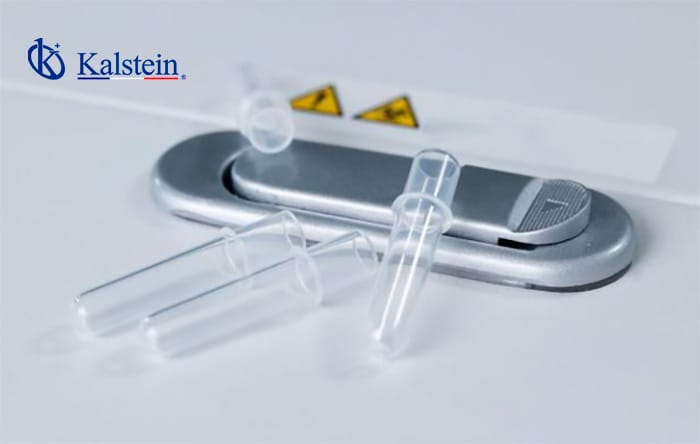
Ensuring Biosafety Protocols for Chemiluminescence Consumables
In laboratory settings, particularly those utilizing chemiluminescence consumables, biosafety protocols are critical for maintaining a safe working environment and managing operator safety effectively. With increasing reliance on diagnostic tools, the need for robust biosafety measures cannot be overstated. This article will delve into essential biosafety protocols, relevant models in the chemiluminescence consumables category, and best practices for operator management, ensuring compliance with safety standards and enhancing laboratory efficiency.
Understanding Chemiluminescence and Its Risks
Chemiluminescence is a process where light is produced as a result of a chemical reaction, which is commonly utilized in various diagnostic assays. While this technology offers significant advantages in sensitivity and specificity, it also poses specific biosafety risks, including exposure to hazardous reagents, contamination of samples, and the potential for biological hazards. Understanding these risks is essential for implementing effective biosafety protocols.
Key Biosafety Protocols in Chemiluminescence Testing
Implementing strict biosafety protocols is vital in laboratories that utilize chemiluminescence consumables. Key protocols include the use of personal protective equipment (PPE), proper handling and disposal of consumables, and the establishment of decontamination procedures. By adhering to these protocols, laboratories can mitigate risks associated with hazardous materials commonly found in chemiluminescence assays.
Personal Protective Equipment (PPE) Requirements
In laboratories using chemiluminescent technology, it is crucial to utilize appropriate PPE to protect operators from potential exposure. This includes gloves, lab coats, safety goggles, and face shields when necessary. The choice of PPE can vary based on the specific reagents being used, and it is important for operators to be trained on the proper use and disposal of PPE.
Common Biosafety Levels and Their Implications
Laboratories are classified into biosafety levels (BSLs) based on the risks associated with the agents being handled. For chemiluminescence consumables, BSL-2 is typically applicable since it involves moderate hazards. Compliance with BSL-2 protocols involves restricted access, the use of biosafety cabinets, and proper waste disposal methods to prevent contamination and exposure.
Decontamination Protocols for Chemiluminescence Consumables
Effective decontamination is crucial in preventing the spread of hazardous agents. Laboratories must establish comprehensive decontamination protocols for surfaces and equipment that come into contact with chemiluminescence consumables. These protocols should include the use of appropriate disinfectants and routine cleaning schedules to ensure the safety of the work environment.
Safe Handling Practices for Chemiluminescence Consumables
To further enhance biosafety, safe handling practices must be emphasized. This includes using designated areas for reagent preparation and ensuring that all consumables are properly labeled. Training staff on the correct handling procedures is essential to minimize the risk of spills and contamination.
Comparison of Available Models
| Model | Best For | Key Specifications | Price (USD) |
|---|---|---|---|
| YRA400 | Reagents for CLIA analyzers | 1000 pieces/bag, CE certified | 30.00 |
| YRA401 | System cleaning for CLIA analyzers | 500 ml per bottle, 300 tests per bottle | 10.00 |
| YRA402 | Substrates for ALP detection | 100 ml/bottle, 500 tests | 22.00 |
| YRA404 | Point of Care Testing | 24 tests/box, magnetic microspheres | 30.00 |
Common Mistakes and How to Avoid Them
Laboratories often face challenges in implementing effective biosafety protocols. Common mistakes include inadequate training of personnel, improper use of PPE, and neglecting to establish a clear decontamination process. To avoid these pitfalls, regular training sessions, clear communication of protocols, and routine audits of safety practices should be instituted.
Frequently Asked Questions
What are the essential biosafety measures for chemiluminescence consumables?
Essential biosafety measures include the use of PPE, proper handling protocols, and decontamination processes. For example, using the Reaction Cuvette YRA400 requires wearing gloves and goggles to prevent exposure to reagents.
How should I handle waste from chemiluminescence testing?
Waste from chemiluminescence testing should be disposed of according to established biosafety protocols. This includes segregating hazardous waste and ensuring it is labeled correctly before disposal, especially when using substrates like YRA402.
What training is required for operators using chemiluminescence consumables?
Operators should receive training on biosafety protocols, PPE usage, and emergency procedures. Training ensures that those handling consumables such as the System Washing Solution YRA401 understand how to minimize exposure risks.
How can I ensure compliance with biosafety regulations in my lab?
Compliance can be ensured by conducting regular audits, providing continuous training, and following guidelines set by health authorities. Utilizing models like YRA404 can help maintain compliance during Point Of Care Testing.
What are the risks of using chemiluminescence consumables?
Risks include chemical exposure and sample contamination. Implementing safety measures, such as using well-structured protocols for models like YRA401, can mitigate these hazards.
How do I establish a decontamination protocol for my lab?
A decontamination protocol should detail the cleaning agents, procedures, and frequency of cleaning. For instance, using the System Washing Solution YRA401 can be part of your regular decontamination strategy.
What equipment is recommended for biosafety in chemiluminescence labs?
Recommended equipment includes biosafety cabinets, appropriate PPE, and effective waste disposal systems. Utilizing consumables like YRA400 ensures that all reagents are handled safely within these systems.
How can I ensure my lab maintains high safety standards?
Maintaining high safety standards requires regular training, strict adherence to protocols, and continuous monitoring of practices. Engaging staff with the use of models like YRA402 enhances awareness and compliance.
If you are looking for a fusion of innovation and quality, you have come to the right place. At Kalstein, we offer you the luxury of exploring our exclusive catalog of laboratory equipment. We manufacture every device to the highest standards of excellence. Our intuitive and seamless online purchasing channels are designed for your convenience, securing the most competitive prices. Hesitate no longer — we bring science to life, it is time to become part of our community.