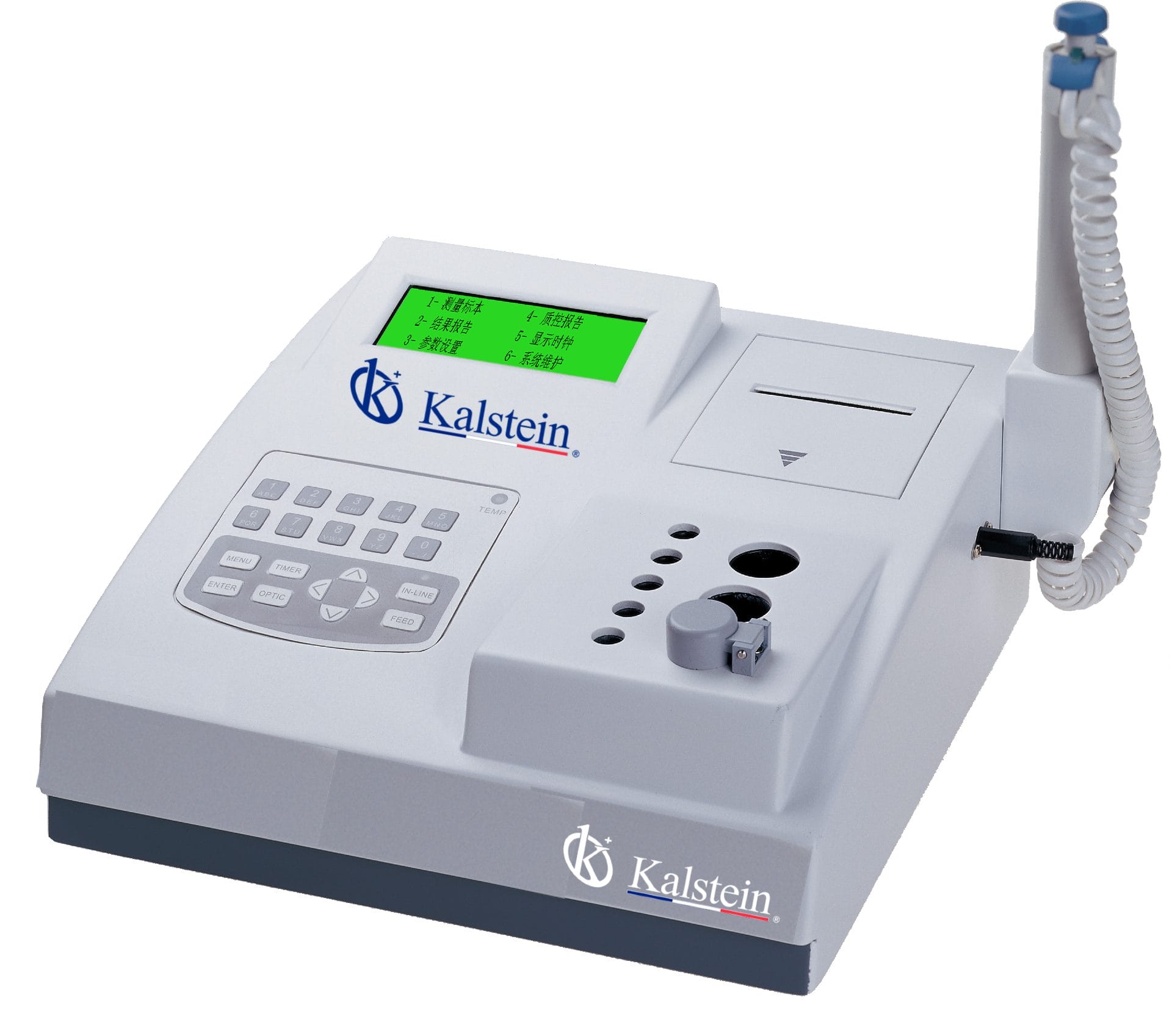
How to Ensure Biosafety Protocols and Safe Operator Handling in Coagulation Analyzers
In the field of laboratory diagnostics, ensuring the safety of operators while handling coagulation analyzers is paramount. With the escalating importance of biosafety protocols, understanding how to implement these practices not only safeguards health but also enhances compliance with regulatory standards. In this article, we will delve into the specific biosafety protocols relevant to coagulation analyzers, examining multiple models and their capabilities in promoting safe operational environments.
Understanding Biosafety Protocols in Laboratory Settings
Biosafety protocols are a set of guidelines designed to protect laboratory personnel and the environment from exposure to biological hazards. These protocols are categorized into Biosafety Levels (BSL), which range from BSL-1 (minimal risk) to BSL-4 (high risk). For laboratories utilizing coagulation analyzers, adherence to BSL-2 and BSL-3 protocols is generally required. These levels entail specific practices such as using appropriate personal protective equipment (PPE), implementing decontamination procedures, and ensuring proper waste disposal.
Key Components of Safe Handling Practices for Coagulation Analyzers
Safe handling practices involve a series of steps to minimize risk during the operation of coagulation analyzers. These include regular training for personnel, proper use of PPE, and maintaining a clean workspace. Additionally, ensuring that equipment is regularly maintained and calibrated is crucial. Operator training should cover emergency procedures in case of exposure or spills, as well as routine maintenance checks to guarantee the reliability of the equipment.
Comparison of Available Models
| Model | Key Features | Best for |
|---|---|---|
| YR05117 | Low reagent consumption, advanced optical system, precision dispensing. | Routine testing with high accuracy. |
| YR05118 | Enhanced sample positioning, open reagent system. | Laboratories requiring extensive sample testing capabilities. |
| YR06083 | Automated features, high throughput, low reagent usage. | High-volume laboratories and emergency testing situations. |
| YR06082 | Advanced operational features, user-friendly interface. | Facilities focused on efficiency and ease of use. |
Common Mistakes and How to Avoid Them
Laboratories can often fall prey to common mistakes regarding biosafety protocols. These include inadequate training of personnel, improper use of PPE, and failure to regularly maintain equipment. To avoid these pitfalls, it is essential to establish a comprehensive training program that emphasizes the importance of biosafety. Regular audits and reviews of safety procedures can help ensure compliance and promote a culture of safety within the laboratory.
Implementing Risk Assessment Protocols
Conducting regular risk assessments is critical in identifying potential hazards associated with coagulation analyzers. This involves evaluating the work environment, analyzing the equipment used, and assessing the processes in place. By documenting and updating risk assessments, laboratories can develop strategies to mitigate risks effectively and ensure that proper biosafety measures are enforced.
Integrating Technology for Enhanced Safety
Utilizing technology can greatly enhance safety protocols within the laboratory. For instance, integrating automated features in coagulation analyzers, like the YR06083, can streamline processes and reduce the risk of human error. Additionally, digital monitoring systems can track compliance with biosafety protocols, ensuring that necessary procedures are consistently followed.
Understanding Regulatory Compliance and Standards
Regulatory bodies provide guidelines that laboratories must follow to ensure biosafety. Important standards include ISO 15189, which focuses on quality and competence in medical laboratories, and ISO 17025, which pertains to the general requirements for the competence of testing and calibration laboratories. Adhering to these standards is crucial in maintaining compliance, improving laboratory practices, and ensuring the safety of operators.
Frequently Asked Questions
What are the key biosafety protocols for operating coagulation analyzers?
Key biosafety protocols for operating coagulation analyzers include using appropriate PPE, adhering to BSL-2 and BSL-3 guidelines, and following decontamination procedures. These measures help protect laboratory personnel from biological hazards associated with testing. Models like YR05117 and YR06082 are designed to support these protocols effectively.
How can I ensure compliance with ISO standards when using coagulation analyzers?
To ensure compliance with ISO standards when using coagulation analyzers, laboratories must implement quality management systems, maintain accurate documentation, and conduct regular audits. Models such as YR05118 are designed with features that support compliance with these standards, ensuring effective testing and reliability.
What PPE is necessary for safely operating coagulation analyzers?
PPE necessary for safely operating coagulation analyzers includes gloves, lab coats, safety goggles, and face shields. This protective gear minimizes exposure to hazardous materials during testing procedures, ensuring operator safety. Utilizing models with automated features, like the YR06083, can further reduce direct contact with samples.
How often should risk assessments be conducted for coagulation analyzers?
Risk assessments should be conducted at least annually or whenever there is a significant change in laboratory practices or equipment. This practice helps identify potential hazards associated with coagulation analyzers and ensures that appropriate biosafety protocols remain in place. Regular evaluations can lead to improved safety measures and compliance.
What are the best practices for decontaminating coagulation analyzers?
Best practices for decontaminating coagulation analyzers include using appropriate decontamination solutions, cleaning surfaces regularly, and following manufacturer guidelines. Ensuring that models like the YR06082 are properly decontaminated after each use can prevent cross-contamination and maintain a safe laboratory environment.
How can I improve the safety culture in my laboratory?
Improving the safety culture in a laboratory can be achieved through regular training sessions, open communication about safety concerns, and involving personnel in safety audits. Establishing a strong culture of safety encourages adherence to biosafety protocols and promotes the responsible use of coagulation analyzers like the YR05117.
What features of coagulation analyzers contribute to operator safety?
Features such as automated sampling, user-friendly interfaces, and advanced optical systems contribute to operator safety in coagulation analyzers. Models like the YR06083 offer automation that reduces human error, while safety alerts and maintenance reminders enhance compliance with safety protocols, ensuring a safer working environment.
Why is it important to maintain coagulation analyzers regularly for safety?
Regular maintenance of coagulation analyzers is crucial for safety because it ensures that the equipment operates efficiently and accurately. Malfunctioning equipment can pose risks to operators and lead to inaccurate test results. Models such as YR05118 are designed for easy maintenance to promote safety and reliability in laboratory operations.
If you are looking for a fusion of innovation and quality, you have come to the right place. At Kalstein, we offer you the luxury of exploring our exclusive catalog of laboratory equipment. We manufacture every device to the highest standards of excellence. Our intuitive and seamless online purchasing channels are designed for your convenience, securing the most competitive prices. Hesitate no longer — we bring science to life, it is time to become part of our community.