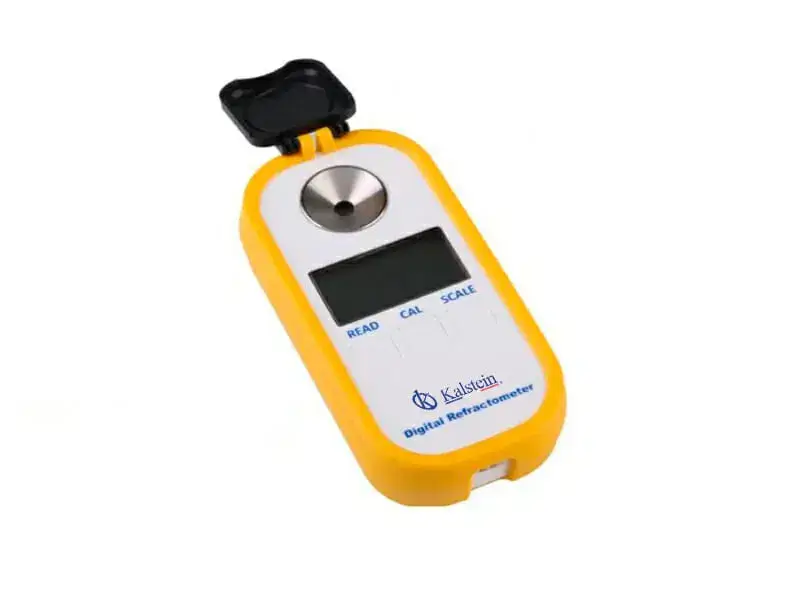
Biosafety Protocols and Safe Operator Handling with Digital BRIX+ Salinity Refractometers
In laboratory environments, ensuring the safety of operators is paramount, especially when using equipment such as Digital BRIX+ Salinity Refractometers. This article discusses essential biosafety protocols and safe handling practices tailored to the unique features of different models in this refractometer category.
Understanding Biosafety Protocols in Laboratory Settings
Biosafety protocols are essential measures that laboratories adopt to protect personnel, equipment, and the environment from biological hazards. When working with Digital BRIX+ Salinity Refractometers, it is imperative to understand these protocols to mitigate risks associated with chemical exposure and operational mishaps.
Key Safety Features of Digital BRIX+ Salinity Refractometers
Digital BRIX+ Salinity Refractometers, such as the YR05961 and YR05962 models, are designed with specific safety features. For example, automatic temperature compensation (ATC) ensures accurate readings without manual corrections, thus minimizing potential errors during operation.
Best Practices for Safe Handling of Refractometers
When handling Digital BRIX+ Salinity Refractometers, laboratory personnel should adhere to best practices, including wearing appropriate personal protective equipment (PPE), such as gloves and goggles, to safeguard against spills and splashes. Regular training on safe handling techniques is crucial.
Environmental Considerations and Waste Management
Effective biosafety protocols also encompass environmentally responsible practices. This includes proper disposal of reagents and solutions used with Digital BRIX+ Salinity Refractometers, ensuring compliance with hazardous waste regulations. Understanding the chemical composition of the solutions measured can guide waste management efforts.
Comparison of Available Models
| Model Code | Measurement Range | Minimum Division | Accuracy | ATC | Best For |
|---|---|---|---|---|---|
| YR05961 | 0-50% Brix | 0.10% | ±0.2% | Yes | Fruit juices and syrups |
| YR05962 | 0-280‰ Salinity | 0.10% | ±0.2% | Yes | Sea water and salt solutions |
| YR05963 | 0-280‰ Salinity | 1‰ | ±2‰ | Yes | General salinity measurement |
| YR05964 | 1.000-1.217 Density | 0.001 | ±0.002 | Yes | Density measurements |
| YR05965 | 1.3330-1.4200 nD | 0.0001 nD | ±0.0003 nD | Yes | Index of refraction testing |
Common Mistakes and How to Avoid Them
Laboratory personnel often make mistakes when using Digital BRIX+ Salinity Refractometers, such as neglecting to calibrate the instruments regularly or failing to follow safety protocols. To avoid these errors, labs should establish routine checks and regularly train staff on the correct usage procedures.
Frequently Asked Questions
How can I ensure the safe usage of Digital BRIX+ Salinity Refractometers in my lab?
Using Digital BRIX+ Salinity Refractometers safely involves following robust biosafety protocols, including proper PPE usage and regular training. Models like YR05961 and YR05962 feature safety mechanisms like ATC that help reduce risks during operation.
What biosafety protocols should be implemented when measuring salinity with refractometers?
When measuring salinity with models like the YR05962, implementing biosafety protocols such as ensuring a clean workspace and appropriate waste disposal practices is essential to protect operators and the environment.
Which Digital BRIX+ Salinity Refractometer model is best for fruit juice analysis?
The YR05961 model is specifically designed for fruit juice analysis, providing accurate Brix measurements. This model's ATC feature ensures reliable results without manual corrections, enhancing safety during operation.
How often should calibration be performed on refractometers for accurate results?
Calibration frequency depends on usage but should be conducted regularly, especially before critical measurements. For example, models like YR05963 require calibration checks to maintain ±2‰ accuracy, ensuring biosafety in salinity measurements.
What personal protective equipment is recommended when handling Digital BRIX refractometers?
Laboratory personnel should wear gloves, goggles, and lab coats when handling Digital BRIX refractometers to prevent exposure to hazardous materials during operation, crucial for models like YR05962 used in salinity testing.
How do I manage hazardous waste from salinity measurements in my laboratory?
Proper management includes identifying hazardous components in the waste generated from models like YR05962 and ensuring compliance with local regulations for safe disposal, thus protecting both personnel and the environment.
What are the main safety features of Digital BRIX+ Salinity Refractometers?
Key safety features include automatic temperature compensation (ATC), which minimizes operational errors. Models like YR05961 and YR05962 offer reliable readings, enhancing safety by reducing the risk of misinterpretation and spillage.
How can I train my laboratory staff on safe operation of refractometers?
Training should include both theoretical knowledge and practical demonstrations on models like YR05961. Offering regular workshops focusing on biosafety protocols and correct operational procedures will greatly enhance safety in laboratory environments.
If you are looking for a fusion of innovation and quality, you have come to the right place. At Kalstein, we offer you the luxury of exploring our exclusive catalog of laboratory equipment. We manufacture every device to the highest standards of excellence. Our intuitive and seamless online purchasing channels are designed for your convenience, securing the most competitive prices. Hesitate no longer — we bring science to life, it is time to become part of our community.