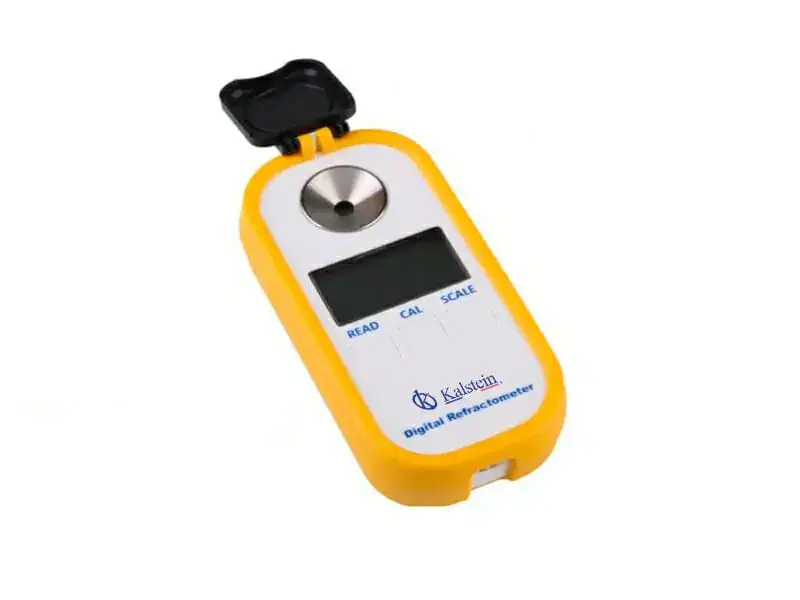
How to Ensure Biosafety Protocols and Safe Operator Handling with Digital Salinity Refractometers
In laboratory settings, ensuring the safety of operators while utilizing equipment is paramount. Digital Salinity Refractometers serve a critical role in accurately measuring salinity in various solutions. However, the implementation of effective biosafety protocols is essential to mitigate risks associated with handling chemicals and conducting experiments. This article delves into critical biosafety protocols tailored for Digital Salinity Refractometers and discusses how various models can enhance operator safety and compliance with these protocols.
Understanding Biosafety in Laboratory Environments
Biosafety in laboratories involves the containment of biohazards and the implementation of practices that protect laboratory personnel, the environment, and the public from exposure to harmful agents. It is essential to classify laboratories according to their biosafety level (BSL), which dictates the safety measures in place. Digital Salinity Refractometers should be used in accordance with these protocols to ensure safe handling.
Key Biosafety Protocols for Using Digital Salinity Refractometers
When using Digital Salinity Refractometers in laboratories, several key biosafety protocols must be followed:
- Personal Protective Equipment (PPE): Always wear appropriate PPE, such as gloves, lab coats, and safety goggles, when handling reagents and samples.
- Work Area Arrangement: Ensure that the workspace is organized and free from obstructions. Designate areas for specific tasks to minimize cross-contamination.
- Decontamination Protocols: Establish a routine for decontaminating surfaces and equipment after use. This includes cleaning the refractometers and surrounding areas to prevent biological or chemical hazards.
- Proper Sample Handling: Use clean pipettes and containers when handling samples to avoid contamination and ensure accurate readings.
- Emergency Procedures: Familiarize personnel with emergency protocols, including spill response and first aid measures.
Digital Salinity Refractometer Models and Their Biosafety Features
Each model of Digital Salinity Refractometers comes with features that can aid in maintaining compliance with biosafety protocols. Below is an overview of several models and their specific attributes that contribute to safe operator handling:
| Model Code | Description | Biosafety Features |
|---|---|---|
| YR05953 | Measures salinity in solutions with automatic temperature compensation (ATC). | Digital display minimizes contact with sample; ATC reduces errors in readings. |
| YR05954 | Measures a wide salinity range from 0 to 280‰. | Robust design; easy to clean surfaces facilitate biosafety maintenance. |
| YR05955 | Density measurement along with salinity assessment. | Includes features for easy handling and automation, reducing risk of spills. |
| YR05956 | Offers precise refraction index readings. | Low-profile design enhances stability and safety during use. |
| YR05957 | Salinity measurement up to 100‰. | Intuitive interface reduces user errors, enhancing safety. |
| YR05958 | Capable of measuring salinity to 57‰. | Compact size aids in safe storage and handling. |
Comparison of Available Models
| Model Code | Measurement Range | Minimum Division | Accuracy | Best For |
|---|---|---|---|---|
| YR05953 | 0.0–28.0% | 0.10% | ±0.1% | General saline solutions |
| YR05954 | 0–280‰ | 1‰ | ±1‰ | Marine biology studies |
| YR05955 | 1.000-1.217 | 0.001 | ±0.002 | Density-related experiments |
| YR05956 | 1.3330–1.3900 nD | 0.0001 nD | ±0.0003 nD | Laboratory precision tasks |
| YR05957 | 0–100‰ | 1‰ | ±2‰ | Testing brine solutions |
| YR05958 | 0–57‰ | 1‰ | ±2‰ | Environmental monitoring |
Common Mistakes and How to Avoid Them
In the use of Digital Salinity Refractometers, common mistakes can happen that compromise biosafety and the accuracy of results. Some of these include:
- Not calibrating the refractometer regularly, which can lead to inaccurate readings. Calibration should be performed according to the manufacturer's guidelines.
- Using contaminated samples, which can alter results and pose health risks. Always use fresh, uncontaminated samples.
- Neglecting to clean the device after each use. This can lead to chemical residues that are hazardous to operators. Implement a strict cleaning schedule to avoid this.
Frequently Asked Questions
What are the best biosafety practices when using Digital Salinity Refractometers?
The best practices include wearing appropriate PPE, maintaining a clean workspace, and following decontamination protocols after each use. For instance, using the YR05953 model allows for easy readings with minimal risk of contamination.
How can I ensure accurate readings with Digital Salinity Refractometers in my lab?
Accuracy can be ensured by regularly calibrating devices such as the YR05954 model and using uncontaminated samples. Regular calibration minimizes deviations from expected results.
What PPE is recommended for using Digital Salinity Refractometers?
Recommended PPE includes gloves, lab coats, and safety goggles to protect against exposure to chemicals. This is crucial when using any model, like YR05955, to ensure complete safety.
Which Digital Salinity Refractometer is best for marine biology research?
The YR05954 model is ideal for marine biology research due to its wide measurement range, accommodating various salinity levels in marine samples. This helps in accurate marine studies.
How do I implement a decontamination protocol for my refractometer?
Implement a decontamination protocol that includes cleaning surfaces with appropriate disinfectants after each use. Models like the YR05956 should be cleaned according to their specific guidelines to ensure safety.
What is the impact of temperature on Digital Salinity Refractometer readings?
Temperature can affect readings; models such as YR05953 include automatic temperature compensation (ATC) which helps maintain accuracy across varying temperatures.
How do Digital Salinity Refractometers enhance laboratory safety?
Digital Salinity Refractometers, like the YR05957 model, enhance safety by providing accurate measurements that minimize handling errors, thus reducing potential hazards.
What common mistakes should I avoid when using Digital Salinity Refractometers?
Common mistakes include failing to calibrate regularly, using contaminated samples, and neglecting proper cleaning. Avoiding these ensures safety and accuracy, especially with models like YR05958.
If you are looking for a fusion of innovation and quality, you have come to the right place. At Kalstein, we offer you the luxury of exploring our exclusive catalog of laboratory equipment. We manufacture every device to the highest standards of excellence. Our intuitive and seamless online purchasing channels are designed for your convenience, securing the most competitive prices. Hesitate no longer — we bring science to life, it is time to become part of our community.