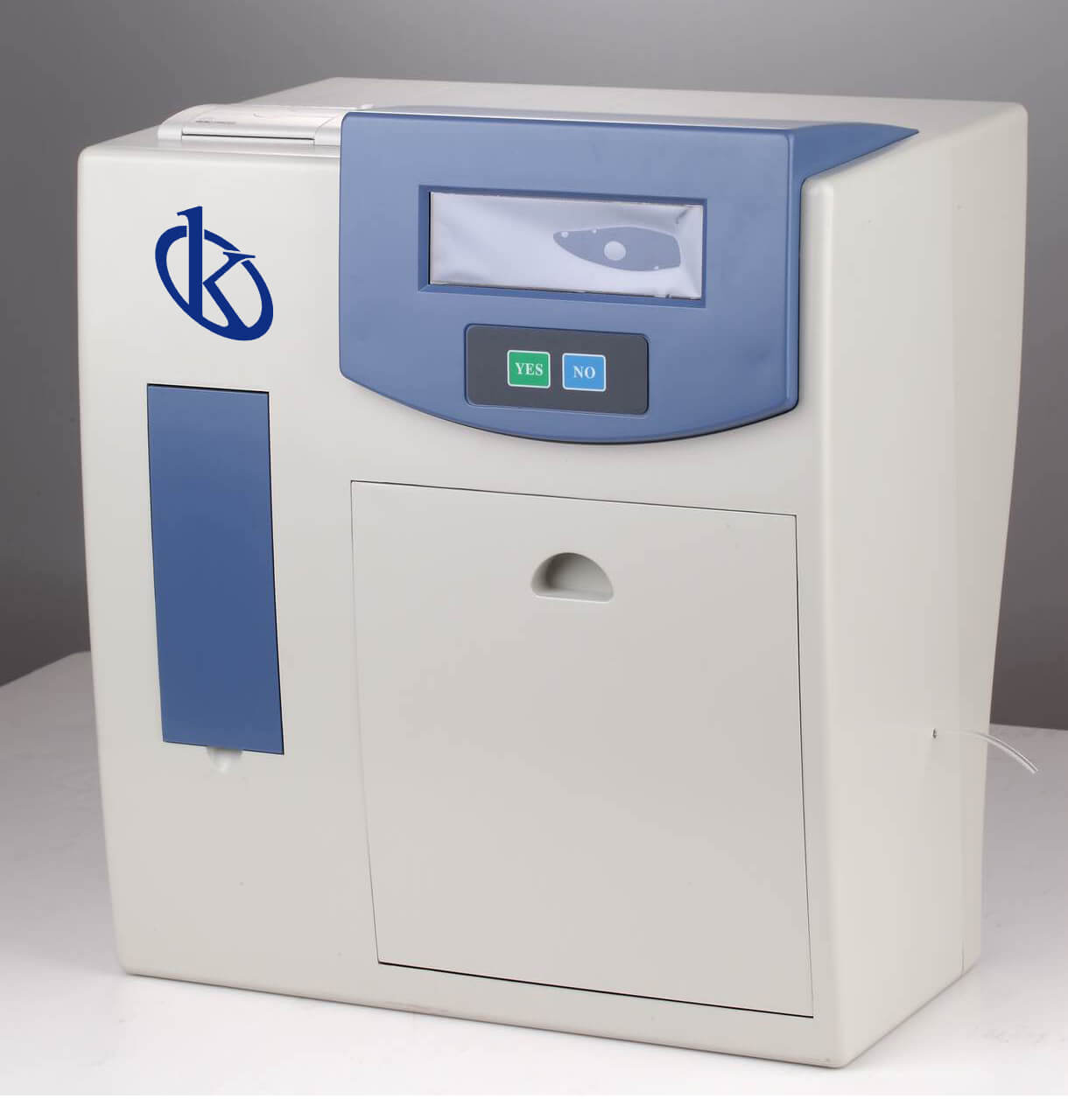
How to Ensure Biosafety Protocols and Safe Operator Handling for Electrolyte Analyzers
Electrolyte analyzers play a crucial role in clinical laboratories by providing vital information on electrolyte imbalances, which can significantly impact patient care. However, with the increasing complexity of laboratory operations, ensuring the safety of operators and adherence to biosafety protocols has become imperative. This article delves into the key biosafety protocols and safe handling procedures specific to electrolyte analyzers, highlighting potential risks and best practices to mitigate them.
Understanding Biosafety Levels and Their Relevance
Biosafety levels (BSL) are essential categorizations that determine the containment precautions required when handling biological agents. For electrolyte analyzers, which handle various bodily fluids, understanding the relevant BSL is crucial for operator safety. Typically, BSL-1 or BSL-2 is applicable, depending on the samples processed. BSL-1 applies to agents that do not cause disease in healthy humans, while BSL-2 involves agents that pose moderate hazards.
BSL-1 Considerations
At BSL-1, the laboratory must ensure basic safety measures, including handwashing, no eating or drinking in the lab, and proper waste disposal. This is applicable when handling non-pathogenic samples using models like the YR05169, which is designed with automatic detection features to minimize operator exposure to potentially hazardous samples.
BSL-2 Considerations
For BSL-2, additional precautions are necessary, such as using personal protective equipment (PPE), biological safety cabinets, and implementing strict access controls. Models like the YR06391 and YR06392, with their advanced user interfaces, allow for safer interactions and reduce the risk of spills and splashes during analysis.
Personal Protective Equipment (PPE) Requirements
The use of appropriate PPE is a non-negotiable aspect of biosafety protocols. Operators should wear gloves, lab coats, and eye protection when handling samples. Additionally, face shields may be necessary when there is a risk of splashing. The choice of PPE depends on the specific tasks performed and the models utilized, such as the YR06395, which offers features to minimize contact with samples.
Aerosol Containment Strategies
The generation of aerosols during the operation of electrolyte analyzers can pose significant health risks. Effective aerosol containment strategies should be employed, including the use of lids on sample containers and operating analyzers within biological safety cabinets. These practices are crucial when working with the YR05169, which incorporates mechanisms to filter air effectively, minimizing aerosol generation.
Decontamination Protocols
Implementing rigorous decontamination protocols is vital for maintaining a safe laboratory environment. Regular cleaning of surfaces, equipment, and analyzers with appropriate disinfectants is recommended to eliminate potential pathogens. For instance, the YR06394 can be decontaminated easily due to its smooth surfaces, allowing for thorough cleaning without damaging sensitive components.
Risk Assessment Matrices for Electrolyte Analyzer Use
A comprehensive risk assessment matrix should be established to identify potential risks associated with the use of electrolyte analyzers. By evaluating the likelihood of exposure to hazardous materials and the severity of potential consequences, laboratories can prioritize safety measures. This matrix should include factors such as sample type, volume, and analyzer model, such as the YR06393, known for its user-friendly design that enhances safety.
Comparison of Available Models
| Model | Key Features | Best For |
|---|---|---|
| YR05169 | Automatic electrical potential tracking, real-time diagnostic, and bubble detection. | High-volume labs requiring precision and reliability. |
| YR06391 | 7-inch color touchscreen, low operating costs, six-element analysis. | Clinics with diverse sample types and budget considerations. |
| YR06392 | Ion-selective electrodes, rapid measurement speed. | Laboratories needing fast turnaround on electrolyte analysis. |
| YR06393 | Advanced user interface, multiple accessory compatibility. | Research labs requiring flexibility and additional measurement capabilities. |
| YR06394 | User-friendly operation, designed for decontamination. | Facilities prioritizing safety and cleanliness. |
| YR06395 | Comprehensive measurement parameters, easy interface. | General-purpose electrolyte analysis across various specimen types. |
Common Mistakes and How to Avoid Them
Laboratory professionals often overlook critical aspects of biosafety when using electrolyte analyzers. Common mistakes include inadequate PPE usage, neglecting proper waste disposal, and failing to perform routine maintenance on analyzers. To mitigate these issues, regular training sessions on safety protocols and best practices should be conducted, reinforcing the importance of compliance with regulations and manufacturer recommendations.
Frequently Asked Questions
What biosafety measures should I follow for electrolyte analyzers in clinical labs?
In clinical labs, it is essential to implement BSL-1 or BSL-2 measures, including PPE use, decontamination protocols, and aerosol containment strategies. Models like the YR05169 and YR06391 are designed with these safety features in mind, facilitating compliance with biosafety standards.
How can I reduce operator exposure when using electrolyte analyzers?
To reduce operator exposure, use PPE, operate analyzers within safety cabinets, and implement proper aerosol containment measures. The YR06394 features a user-friendly design that minimizes direct contact with samples, enhancing safety for laboratory personnel.
Which electrolyte analyzer is best for ensuring operator safety?
The YR06395 offers comprehensive measurement parameters in a safe operating environment, making it an ideal choice for ensuring operator safety. Its intuitive interface helps reduce errors and exposure during sample handling.
What training is necessary for safe operation of electrolyte analyzers?
Training should cover biosafety protocols, proper use of PPE, and maintenance procedures for electrolyte analyzers. Regular sessions focused on models like the YR06391 can enhance operator safety and compliance with laboratory standards.
How often should I decontaminate my electrolyte analyzer?
Decontamination should occur after each use, especially for models like the YR06394, which facilitate easy cleaning. Regular maintenance and cleaning schedules are crucial to prevent contamination and ensure safe operation.
What is the importance of PPE in using electrolyte analyzers?
PPE is crucial in preventing exposure to hazardous samples and chemicals when using electrolyte analyzers. Ensuring proper PPE is worn, especially with models like the YR05169, helps protect laboratory personnel from potential health risks.
How can I assess the risks associated with electrolyte analyzer usage?
Conducting a risk assessment involves evaluating the likelihood of exposure and potential consequences of hazardous materials. This can be done using a risk assessment matrix tailored to the specific models utilized, such as the YR06393.
What are the top safety features to look for in electrolyte analyzers?
Look for features such as automatic diagnostic systems, user-friendly interfaces, and effective aerosol containment. Models like the YR06392 are equipped with advanced safety features that enhance laboratory safety and compliance.
If you are looking for a fusion of innovation and quality, you have come to the right place. At Kalstein, we offer you the luxury of exploring our exclusive catalog of laboratory equipment. We manufacture every device to the highest standards of excellence. Our intuitive and seamless online purchasing channels are designed for your convenience, securing the most competitive prices. Hesitate no longer — we bring science to life, it is time to become part of our community.