Understanding Biosafety Protocols and Safe Operator Management in High-Voltage Power Supply Labs
In laboratory environments where high voltage power supplies are utilized, ensuring the safety of operators is paramount. This article delves into the necessary biosafety protocols and safe management practices that must be implemented to protect personnel and ensure compliance with regulatory standards.
High-Voltage Power Supplies and Their Role in Laboratory Safety
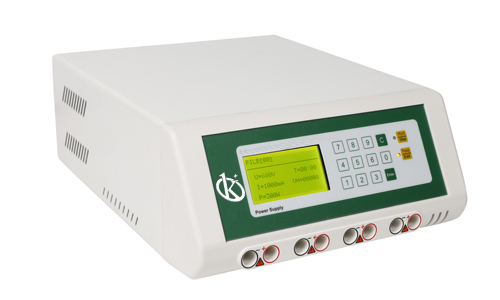
High-voltage power supplies, such as the YR03409, YR03408, YR03405, YR03406, YR03407, are essential tools in various laboratory applications. Their proper use requires adherence to strict biosafety protocols to mitigate risks associated with high voltage operations. These devices, capable of delivering precise voltage outputs, are frequently used in electrochemistry, electrophoresis, and other sensitive testing procedures. Implementing safety measures tailored to their usage is critical for operator safety and the integrity of laboratory results.
Key Biosafety Protocols for High-Voltage Power Supply Operations
Establishing effective biosafety protocols involves several key components. First, laboratories must conduct thorough risk assessments to identify potential hazards associated with high voltage operations. Safety practices should include the use of appropriate personal protective equipment (PPE), such as insulated gloves and safety goggles, which are crucial for minimizing exposure to electrical hazards.
Furthermore, implementing physical safety barriers or enclosures around high-voltage equipment can significantly reduce the risk of accidental contact. Regular training sessions for operators on emergency response and safety procedures are also essential to maintain a culture of safety within the lab environment.
Compliance with Regulatory Standards
Compliance with standards such as ISO 17025 is vital for laboratories handling high-voltage power supplies. These standards not only ensure the reliability and accuracy of laboratory results but also mandate that laboratories establish and maintain comprehensive safety management systems.
In the context of high-voltage power supplies, compliance involves documenting operating procedures, safety measures, and maintenance activities. This documentation serves as a vital tool for audits and ensures traceability, ultimately contributing to a safer working environment.
Comparison of Available Models
| Model | Output Range (V) | Current Max (mA) | Best For | Price (USD) |
|---|---|---|---|---|
| YR03409 | 20–3000 | 200 | Electrophoresis with high precision | 1105.80 |
| YR03408 | 20–5000 | 200 | High capacity electrophoresis | 1475.00 |
| YR03405 | 10–600 | 500 | Applications requiring moderate power | 967.20 |
| YR03406 | 20–1600 | 100 | General purpose applications | 552.00 |
| YR03407 | 20–3000 | 400 | Advanced research setups | 1383.00 |
Common Mistakes and How to Avoid Them
One common mistake in high-voltage labs is neglecting the importance of regular maintenance checks on power supplies. Operators should establish a routine maintenance schedule to inspect equipment integrity and functionality, as well as to perform necessary calibrations. Additionally, ensuring that all operators are well-trained in safety protocols is crucial to avoid mishaps.
Another frequent oversight is the lack of updated safety documentation. Laboratories should regularly review and revise their safety protocols to reflect any changes in operations or regulatory requirements, ensuring that all staff are informed and compliant.
Best Practices for Safe Operator Management
Safe operator management involves creating an organized workspace that promotes efficiency and minimizes risks. This includes labeling high-voltage equipment clearly, maintaining a clean working environment, and ensuring all emergency equipment, such as fire extinguishers and first-aid kits, are readily accessible.
Moreover, fostering open communication among team members regarding safety concerns and operational feedback can lead to improved protocols and a stronger safety culture. Encouraging a proactive approach to safety can significantly reduce the likelihood of accidents in high-voltage environments.
Frequently Asked Questions
What are the best biosafety protocols for high-voltage power supply labs?
The best biosafety protocols for high-voltage power supply labs include rigorous risk assessments, use of personal protective equipment (PPE), and establishing physical barriers around equipment. Regular training on emergency procedures enhances operator safety in labs using models like the YR03409.
How does compliance with ISO 17025 affect laboratory safety in high-voltage environments?
Compliance with ISO 17025 enhances laboratory safety by mandating comprehensive documentation of operating procedures, safety measures, and maintenance schedules. Adhering to this standard helps ensure safe operations when using high-voltage power supplies, like the YR03408.
Which personal protective equipment is essential for operating high-voltage power supplies?
Essential personal protective equipment includes insulated gloves, safety goggles, and face shields to protect operators from electrical hazards. These safeguards are crucial when handling high-voltage power supplies such as the YR03405, ensuring operator safety during experiments.
How often should high-voltage power supplies be maintained for safety compliance?
High-voltage power supplies should ideally be maintained every six months to ensure safety compliance and operational reliability. Regular checks and calibrations are vital for models like the YR03406 to prevent unexpected failures and hazards.
What training is necessary for operators of high-voltage power supplies?
Operators should undergo training that covers operational procedures, safety protocols, and emergency response strategies. This training is essential for safe handling of high-voltage power supplies such as the YR03407, ensuring all personnel are well-prepared for any incidents.
How can laboratories improve their biosafety culture regarding high-voltage operations?
Laboratories can improve their biosafety culture by promoting open communication about safety concerns, conducting regular safety drills, and encouraging feedback from staff. Implementing these strategies is particularly important in labs using high-voltage power supplies like the YR03409.
What are the consequences of neglecting safety protocols in high-voltage labs?
Neglecting safety protocols can lead to severe accidents, injuries, and potential fatalities in high-voltage labs. The implications can extend to legal liabilities and loss of accreditation for labs using equipment like the YR03408, highlighting the need for strict adherence to safety standards.
Which high-voltage power supply model is best for advanced research setups?
The YR03407 is the best high-voltage power supply model for advanced research setups, offering a wide output range and high current capacity. This model is particularly effective for experiments requiring precise control in demanding laboratory environments.
If you are looking for a fusion of innovation and quality, you have come to the right place. At Kalstein, we offer you the luxury of exploring our exclusive catalog of laboratory equipment. We manufacture every device to the highest standards of excellence. Our intuitive and seamless online purchasing channels are designed for your convenience, securing the most competitive prices. Hesitate no longer — we bring science to life, it is time to become part of our community.