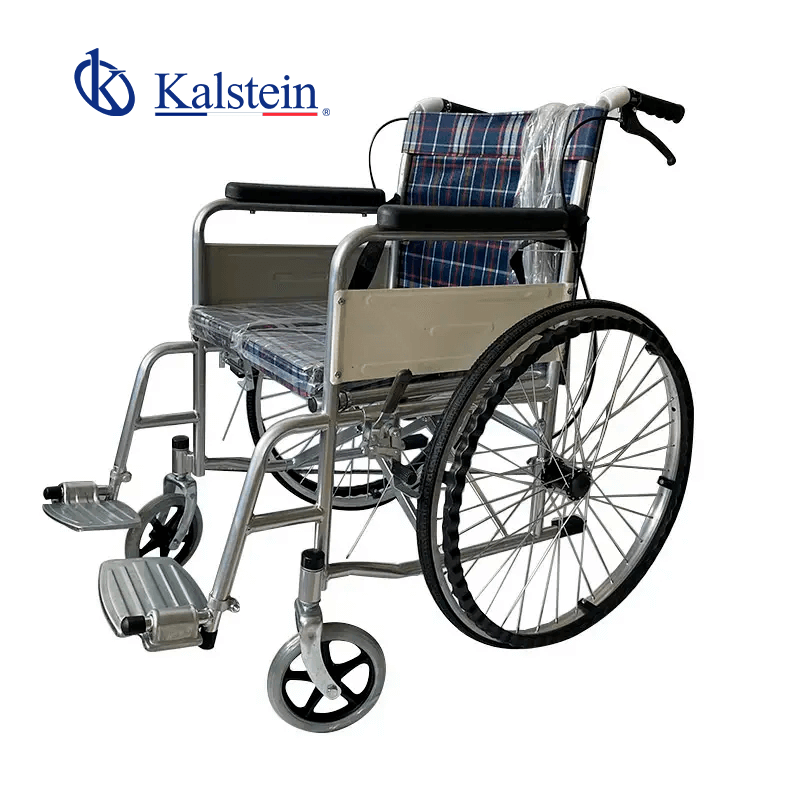
Biosafety Protocols and Safe Operator Handling for Manual Wheelchairs
In healthcare settings, manual wheelchairs are crucial for patient mobility and comfort. However, the safety of both operators and users is paramount. Biosafety protocols ensure that equipment is used correctly, minimizing the risk of contamination and injury. This article delves into the necessary biosafety protocols and operator handling procedures for manual wheelchairs, focusing on the latest models and practical tips to enhance safety.
Understanding Biosafety Protocols in Wheelchair Operations
Biosafety protocols are designed to protect healthcare workers and patients from potential hazards associated with handling medical equipment. These protocols include proper sanitization, use of personal protective equipment (PPE), and risk assessment strategies specific to manual wheelchairs. By adhering to these guidelines, healthcare facilities can ensure a safer environment for both operators and patients.
Key Aspects of Safe Operator Handling
Safe handling of manual wheelchairs involves understanding ergonomic principles, proper lifting techniques, and the importance of regular maintenance. Operators must be trained in how to maneuver wheelchairs effectively and safely, considering the weight, dimensions, and features of each model. Awareness of potential hazards, such as uneven surfaces or obstacles, is also critical.
Comparison of Available Models
| Model | Weight Capacity (KG) | Frame Material | Seat Width (CM) | Best for |
|---|---|---|---|---|
| YR05450 | 100 | Steel | 46 | Basic mobility needs |
| YR05451 | 100 | Steel | 44 | Compact and lightweight use |
| YR05456 | 100 | Chrome | 45 | Adjustable height needs |
| YR05452 | 100 | Steel | 42.5 | Travel-friendly design |
| YR05454 | 100 | Steel | 46 | High durability environments |
| YR05453 | 100 | Chrome | 46 | General use |
Common Mistakes and How to Avoid Them
Healthcare professionals often overlook the importance of maintaining manual wheelchairs. Common mistakes include failing to regularly sanitize equipment, neglecting to check for damages, and inadequate training of operators. To mitigate these risks, regular training sessions, maintenance checks, and strict adherence to biosafety protocols are essential.
Training and Compliance with Biosafety Standards
Compliance with recognized biosafety standards is critical to ensure safe operations. Training programs should encompass an understanding of these standards, including the use of PPE, proper wheelchair sanitation, and emergency procedures. Operators should be equipped with knowledge on how to assess risks and manage potential hazards effectively.
Assessing Risk Factors in Manual Wheelchair Usage
Risk assessment should be an ongoing process in any healthcare setting. Factors such as wheelchair design, user mobility levels, and environmental conditions must be regularly evaluated. Conducting thorough risk assessments can help operators anticipate challenges and implement appropriate safety measures to mitigate them.
Frequently Asked Questions
What are the best practices for sanitizing manual wheelchairs?
Best practices for sanitizing manual wheelchairs include using EPA-approved disinfectants, wiping down all surfaces after each use, and ensuring that the seat cushions are cleaned regularly. Models like YR05450 and YR05451 have materials that withstand frequent disinfection without damage.
How can I ensure operator safety while handling manual wheelchairs?
To ensure operator safety, it is crucial to provide proper training on ergonomic handling techniques, as well as the correct use of PPE. Regular maintenance of models such as YR05456 can also prevent accidents related to equipment failure.
Which manual wheelchair models offer the best biosafety features?
The YR05451 and YR05454 models are designed with enhanced biosafety features, including easily cleanable surfaces and ergonomic designs that minimize strain on operators. These features are essential for maintaining a safe and sanitary environment.
How often should manual wheelchairs be maintained for safety?
Manual wheelchairs should be inspected and maintained at least once a month. Regular checks on brakes, wheels, and frame integrity are vital to ensure models like the YR05452 are safe for use in clinical settings.
What is the weight capacity of common manual wheelchair models?
Most manual wheelchair models, including YR05450, YR05451, and YR05456, have a weight capacity of 100KG. This is important for ensuring that all users can be safely accommodated.
How do I choose the right manual wheelchair for my clinical needs?
Choosing the right manual wheelchair involves assessing the specific needs of users, including their mobility level and weight. Models like YR05454 are suitable for high durability environments, while YR05452 is great for travel due to its lightweight design.
Why is operator training essential for manual wheelchair safety?
Operator training is essential for safe handling of manual wheelchairs as it teaches proper techniques to prevent injuries and ensures compliance with biosafety protocols. Training should include specific instructions for each model, like YR05453, to address unique handling requirements.
What regulations should I be aware of regarding wheelchair safety?
Regulations regarding wheelchair safety include adherence to biosafety standards and manufacturer guidelines. Staying informed about these regulations ensures compliance and enhances safety practices for models such as YR05450 and YR05456.
If you are looking for a fusion of innovation and quality, you have come to the right place. At Kalstein, we offer you the luxury of exploring our exclusive catalog of laboratory equipment. We manufacture every device to the highest standards of excellence. Our intuitive and seamless online purchasing channels are designed for your convenience, securing the most competitive prices. Hesitate no longer — we bring science to life, it is time to become part of our community.