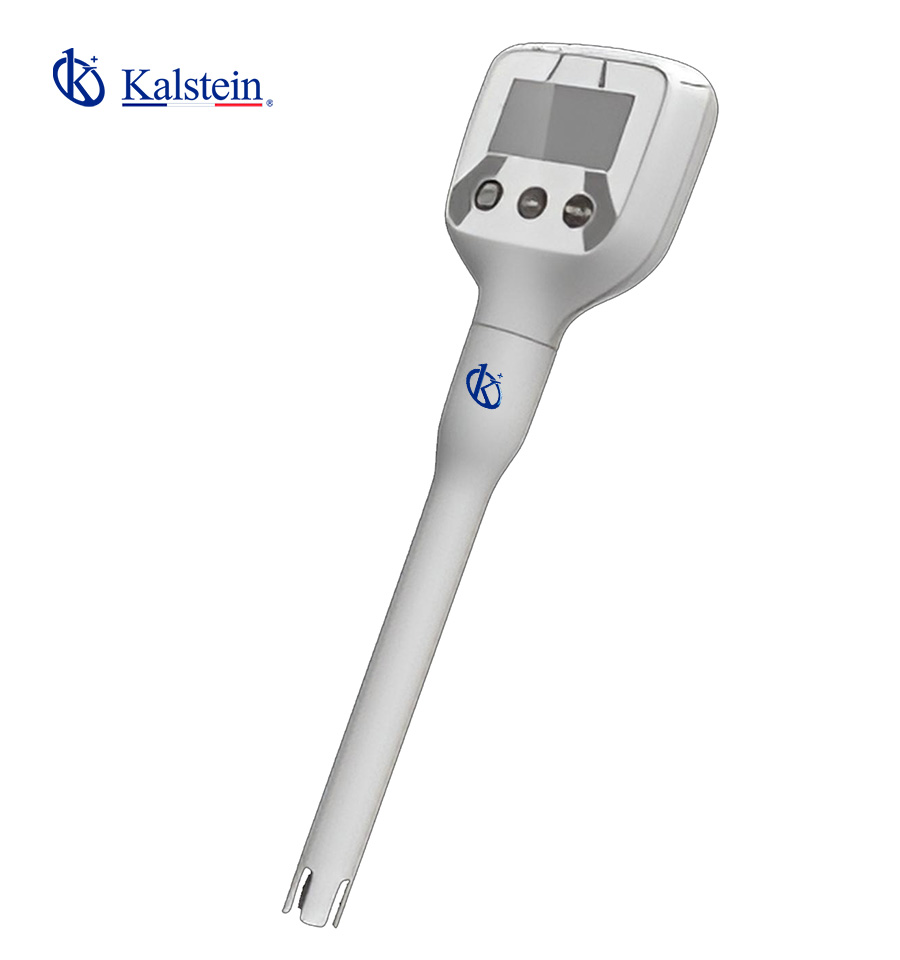
Ensuring Biosafety Protocols and Safe Operator Handling with Portable Conductivity Meters
Portable conductivity meters are essential tools in laboratory settings, particularly where precise measurements of solution conductivity are necessary. As their usage expands across various fields such as environmental monitoring, agriculture, and pharmaceuticals, the importance of adhering to strict biosafety protocols and ensuring safe operator handling becomes paramount. This article delves into the implications of biosafety in using these instruments and highlights best practices to safeguard laboratory professionals.
Understanding Biosafety Protocols in Laboratory Settings
Biosafety protocols are a framework of guidelines designed to prevent laboratory-associated infections and ensure a safe working environment. These protocols are critical when working with portable conductivity meters, especially in environments where chemical exposure and biological hazards are a concern. Compliance with biosafety levels (BSLs) helps mitigate risks associated with hazardous substances, ensuring that laboratory personnel can perform their duties without endangering themselves or their surroundings.
Key Biosafety Levels and Their Relevance
Different biosafety levels (BSL-1 to BSL-4) dictate the precautions necessary to handle various types of agents. For instance, BSL-1 is suitable for agents not known to cause disease in healthy adults, while BSL-4 deals with high-risk pathogens. When utilizing portable conductivity meters like the YR01805 or YR01806, understanding the appropriate biosafety level is crucial to determine necessary protective equipment and operational procedures to minimize exposure.
Protective Equipment and Operator Safety
Ensuring operator safety while using portable conductivity meters requires appropriate personal protective equipment (PPE). The basic PPE includes gloves, lab coats, and safety goggles. However, depending on the biosafety level, additional protective measures, such as face shields or respirators, may be warranted. For example, when measuring highly corrosive substances, using the YR01809 under strict adherence to BSL-2 protocols is essential to mitigate risks.
Decontamination Protocols for Portable Conductivity Meters
After using portable conductivity meters, decontamination is crucial to ensure that surfaces are free from hazardous materials. Cleaning protocols should include the use of appropriate disinfectants that are effective against the substances measured. For instance, after utilizing the YR01810 for testing, equipment should be wiped down with an alcohol-based disinfectant to ensure thorough sanitization before storage or further use. Following these protocols significantly reduces the risk of cross-contamination.
Common Mistakes and How to Avoid Them
Laboratory professionals often make mistakes when using portable conductivity meters that can lead to safety breaches. One significant error is neglecting to properly calibrate the instruments before use. Instruments like the YR01806 require regular calibration to ensure accuracy in measurements. Additionally, operators should always verify that their PPE is compliant with the biosafety requirements specific to their testing environment. Regular training and refresher courses on biosafety can prevent these mistakes and enhance overall laboratory safety.
Best Practices for Safe Handling of Portable Conductivity Meters
To ensure safety while using portable conductivity meters, adhere to the following best practices:
- Regularly calibrate and maintain instruments according to manufacturer specifications.
- Use proper PPE and ensure all safety equipment is in good condition.
- Implement a decontamination protocol post-testing to minimize contamination risks.
- Provide safety training for all laboratory personnel on biosafety protocols and emergency procedures.
Comparison of Available Models
| Model | Measurement Range (mS/cm) | Temperature Compensation (°C) | Best for |
|---|---|---|---|
| YR01805 | 0~10 | 0~60 | Field testing in harsh environments |
| YR01806 | (0~19.99) mS/cm | (0~100) | Multi-parameter testing |
| YR01809 | 0 to 20.00 | 0 to 60 | Low concentration liquid measurement |
| YR01810 | 0 to 20.00 | 0 to 60 | TDS and salinity measurement |
| YR01811 | 0.5 to 100.0 | 0 to 50 | Budget-friendly TDS testing |
Frequently Asked Questions
What are the biosafety protocols for using a portable conductivity meter?
Biosafety protocols for using portable conductivity meters include adhering to the appropriate biosafety level guidelines, wearing suitable PPE, and following decontamination protocols. For instance, using the YR01806 requires BSL-2 protocols to ensure operator safety from chemical exposure.
How do I ensure safe handling of the YR01805 portable conductivity meter?
To ensure safe handling of the YR01805, operators should wear appropriate PPE, regularly calibrate the device, and follow decontamination procedures after use. This helps mitigate potential risks associated with field testing in harsh environments.
What personal protective equipment is needed for operating the YR01810?
When operating the YR01810, it is essential to use gloves, safety goggles, and lab coats. If testing corrosive solutions, additional protective measures like face shields may be necessary to adhere to the required biosafety level.
Which model is best for measuring low concentration solutions safely?
The YR01811 is ideal for measuring low concentration solutions while ensuring operator safety. It includes features such as one-point calibration and automatic temperature compensation, making it user-friendly and effective.
How often should I calibrate my portable conductivity meter for optimal safety?
Calibration frequency depends on usage, but it is advisable to calibrate your portable conductivity meter, such as the YR01806, before each use or daily in high-frequency environments to maintain accuracy and safety standards.
What common mistakes should I avoid when using a portable conductivity meter?
Common mistakes include failing to calibrate the meter before use, not wearing correct PPE, and neglecting decontamination protocols. These oversights can lead to inaccurate results and compromise laboratory safety when using tools like the YR01809.
Which model supports advanced functionalities for multi-parameter testing?
The YR01806 supports advanced functionalities for multi-parameter testing, including pH measurement and automatic temperature compensation. This makes it suitable for a variety of applications while ensuring compliance with safety protocols.
What is the importance of decontamination after using portable conductivity meters?
Decontamination is critical to prevent cross-contamination and exposure to hazardous substances. After using a meter like the YR01805, thorough cleaning ensures that all surfaces are sanitized, thereby protecting laboratory personnel.
If you are looking for a fusion of innovation and quality, you have come to the right place. At Kalstein, we offer you the luxury of exploring our exclusive catalog of laboratory equipment. We manufacture every device to the highest standards of excellence. Our intuitive and seamless online purchasing channels are designed for your convenience, securing the most competitive prices. Hesitate no longer — we bring science to life, it is time to become part of our community.