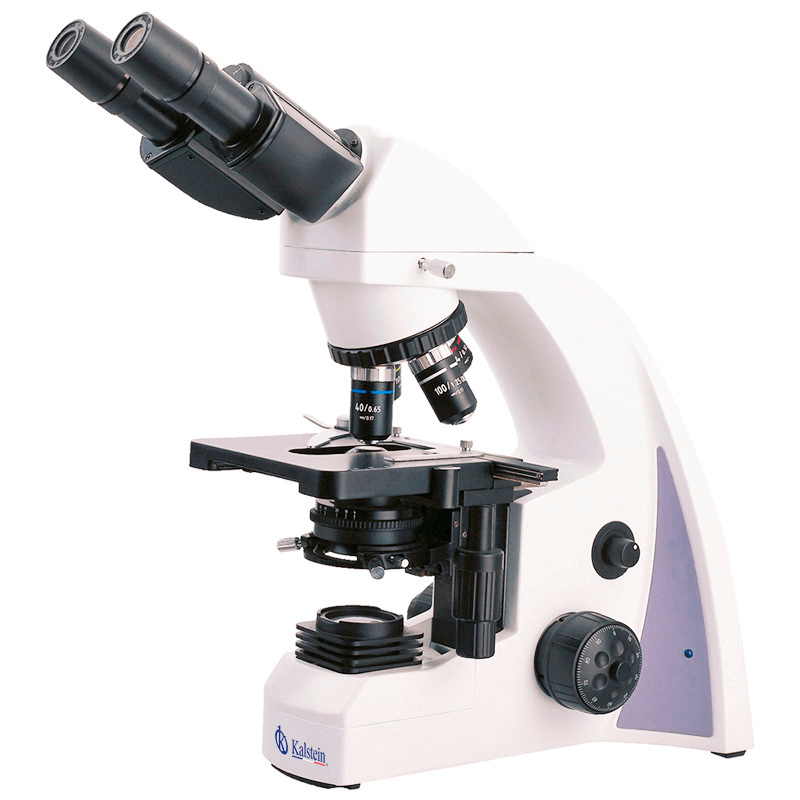
Understanding Biosafety Protocols and Safe Operator Handling in Laboratory Microscope Use
Laboratory microscopes are essential tools in scientific research, diagnostics, and educational settings. However, their usage must adhere to strict biosafety protocols to ensure safety for operators and the integrity of samples. This article delves into the biosafety protocols and safe handling techniques vital for laboratory professionals using microscopes, focusing on current standards and best practices.
Importance of Biosafety Protocols in Laboratory Settings
Biosafety protocols are crucial in preventing contamination and exposure to potentially harmful biological agents. In laboratory environments, especially where microscopes are used, these protocols help safeguard operators and the surrounding environment. Understanding the various biosafety levels (BSLs) and implementing appropriate practices is fundamental for any laboratory.
Overview of Biosafety Levels
Biosafety levels range from BSL-1 (minimal risk) to BSL-4 (high risk). Each level dictates the safety measures necessary to handle biological materials. For instance, BSL-1 requires basic handwashing and limited access, while BSL-4 demands specialized facilities with stringent containment measures. Knowing the specific requirements of each level allows laboratories to operate safely while utilizing tools such as microscopes.
Best Practices for Safe Operator Handling
Ensuring the safety of laboratory personnel involves several best practices when operating microscopes. These practices include the use of personal protective equipment (PPE), proper lab attire, and understanding the handling of samples. The use of gloves, masks, and goggles is essential to protect against hazardous materials.
Key Biosafety Protocols to Follow
When using microscopes in the lab, several key biosafety protocols should be followed:
- Regular disinfection of work surfaces.
- Proper disposal of contaminated materials.
- Training for personnel in biosafety practices.
Implementing these protocols helps minimize the risk of accidents and contamination in the laboratory.
Common Mistakes and How to Avoid Them
Understanding common mistakes can significantly enhance the safety of laboratory operations. Some prevalent errors include:
- Neglecting to use PPE consistently.
- Improper disposal of biological waste.
- Failing to label hazardous materials accurately.
To avoid these mistakes, regular training and reminders for laboratory staff are recommended.
Comparison of Available Models
| Model | Features | Best Use Case |
|---|---|---|
| YR0237-0-1 | Binocular head, WF 10x/18 mm eyepiece, adaptable condenser | General microscopic analysis with focus on safety protocols. |
| YR0237-1 | Binocular head, semi-plan achromatic objectives, adjustable condenser | Suitable for educational laboratories requiring strict adherence to biosafety. |
| YR0237-1-1 | Same features as YR0237-1 with additional ergonomic design | Best for prolonged use in high-throughput laboratories. |
| YR03731-1 | Fluid Handling Pipette, sterilized to 121°C, ergonomic design | Ideal for handling samples in sterile conditions. |
| YR03731-2 | Volume range up to 20 μl, low operational force | Effective for precise measurements in biosafety labs. |
Examples of Biosafety Protocols in Action
Implementing these biosafety protocols can significantly enhance laboratory safety. In practice, this may include ensuring all samples are treated as potentially infectious, employing biosafety cabinets while handling specimens, and maintaining a clean workspace.
Frequently Asked Questions
What are the key biosafety protocols for laboratory microscope use?
Key biosafety protocols include proper use of PPE, regular disinfection of surfaces, and correct waste disposal. Models like YR0237-1 are designed for educational environments where these practices are essential.
How can I ensure safe operator handling when using laboratory microscopes?
To ensure safe operator handling, use the appropriate PPE, understand the samples being worked with, and follow biosafety protocols. The YR0237-0-1 model provides user-friendly features that facilitate safety.
Which laboratory microscope models are best for high biosafety levels?
Models like YR0237-1-1 are best for high biosafety levels due to their ergonomic design and compliance with standard protocols necessary for safe operations.
What training do laboratory staff need for using microscopes safely?
Laboratory staff should undergo training on biosafety protocols, proper use of PPE, and safe handling of biological samples. Regular training with equipment like YR03731-1 ensures compliance.
How often should biosafety protocols be reviewed in a lab?
Biosafety protocols should be reviewed regularly, at least annually or when new equipment is introduced, to ensure all personnel remain compliant with safety standards.
What PPE is required for using laboratory microscopes?
PPE requirements typically include gloves, lab coats, and goggles. Utilizing these safety measures is crucial, especially when handling potentially infectious samples.
How do laboratory microscopes assist in compliance with biosafety standards?
Laboratory microscopes like the YR0237 series are designed to facilitate compliance by providing essential features that enhance safety during operations and reduce risks.
What factors should I consider when choosing a laboratory microscope for biosafety?
Consider features like ergonomic design, ease of cleaning, and compatibility with PPE. Models such as YR0237-1-1 are tailored for environments where biosafety is a priority.
If you are looking for a fusion of innovation and quality, you have come to the right place. At Kalstein, we offer you the luxury of exploring our exclusive catalog of laboratory equipment. We manufacture every device to the highest standards of excellence. Our intuitive and seamless online purchasing channels are designed for your convenience, securing the most competitive prices. Hesitate no longer — we bring science to life, it is time to become part of our community.