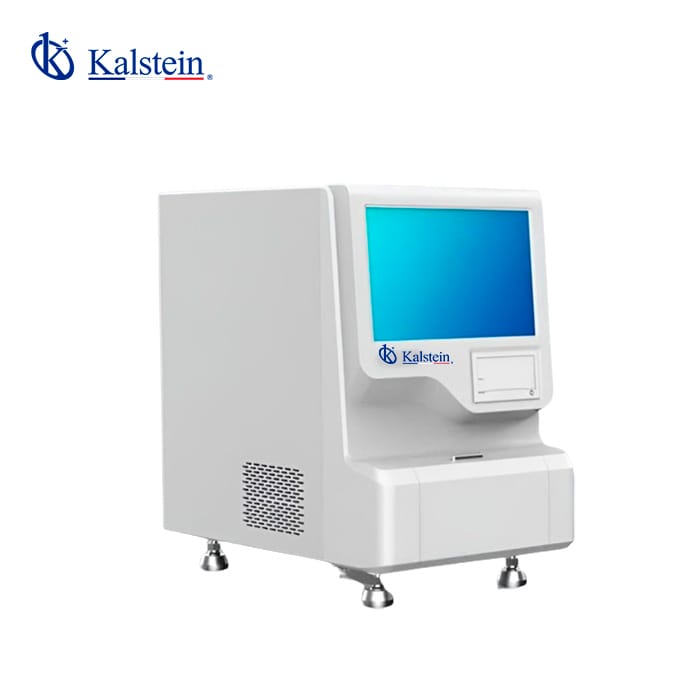
Biosafety Protocols and Safe Operator Management in Chemiluminescence Immunoassay Analyzers
In modern clinical laboratories, promoting a safe working environment is paramount, particularly when handling sensitive diagnostic equipment like Chemiluminescence Immunoassay Analyzers. This article discusses vital biosafety protocols and effective operator management practices pertinent to this technology, ensuring the safety of laboratory professionals and enhancing clinical efficiency.
Understanding Biosafety in Chemiluminescence Immunoassay Analysis
Biosafety entails a comprehensive framework that protects laboratory personnel, the surrounding environment, and the integrity of the research. In the realm of Chemiluminescence Immunoassay Analyzers, understanding the inherent risks associated with biological samples is critical. Protocols must align with global standards such as ISO 15189, emphasizing risk assessment, containment measures, and appropriate PPE usage.
Risk Assessment Protocols
Conducting a thorough risk assessment is the first step in ensuring biosafety. This includes identifying potential hazards associated with human samples, reagents, and operational procedures. For example, the use of model YR06387, which processes various sample types, necessitates stringent evaluation of exposure risks, ensuring that all operators are informed and equipped to handle incidents.
Personal Protective Equipment for Operators
Proper use of Personal Protective Equipment (PPE) is fundamental in maintaining safety standards in laboratories. Operators must utilize gloves, lab coats, face shields, and masks when handling potentially infectious materials. The introduction of dual independent chambers in the YR06388 model significantly aids in minimizing exposure risks during emergencies, allowing for safer operational flexibility.
Implementation of Standard Operating Procedures (SOPs)
Standard Operating Procedures (SOPs) provide a structured approach to maintaining safety protocols in laboratory settings. Effective SOPs outline precautionary measures, equipment handling guidelines, spill response procedures, and decontamination protocols. For instance, the YR06389 model, with its intelligent control technology, requires specific handling instructions to maximize operator safety and prevent contamination incidents.
Decontamination and Waste Disposal Practices
Establishing decontamination protocols and waste disposal procedures that comply with regulatory standards is essential. Regular cleaning and disinfection of work surfaces and instruments, especially after handling biological samples, reduce contamination risks. The YR06390 model's automatic cleaning capabilities enhance adherence to these protocols, rendering it a preferred choice in busy laboratories.
Training and Competence of Laboratory Personnel
Continuous training and assessment of laboratory personnel are crucial for effective biosafety management. Training programs should encompass biosafety practices, emergency response training, and operational competencies specific to Chemiluminescence Immunoassay Analyzers. With the compact YR06710 model, which is designed for ease of use, operators should be trained on its specific features to ensure efficient and safe operation.
Monitoring and Compliance with Regulatory Standards
Monitoring compliance with relevant biosafety regulations ensures ongoing safety in laboratory operations. Documentation of safety checks, operator training records, and incident reports are essential for maintaining accreditation and demonstrating commitment to safety standards. The integration of advanced analytics in the YR06388 model allows for enhanced monitoring capabilities, facilitating adherence to compliance requirements.
Comparison of Available Models
| Model | Features | Best for | Price (USD) |
|---|---|---|---|
| YR06387 | 8 channel tests, automated | General diagnostics | 3500.00 |
| YR06388 | 16 channel tests, dual chambers | Emergency situations | 5000.00 |
| YR06389 | 120T/h throughput, smart technology | Rural clinics | 9000.00 |
| YR06390 | 220T/h, high precision | High-volume labs | 15000.00 |
| YR06710 | Compact, user-friendly | Emergency departments | 7500.00 |
Common Mistakes and How to Avoid Them
Laboratories often face challenges in maintaining biosafety protocols. Common mistakes include inadequate training, improper PPE usage, and neglecting routine maintenance of equipment. To avoid these issues, laboratories should implement regular training sessions, conduct mock drills for emergency scenarios, and adhere to strict equipment maintenance schedules, particularly for models like the YR06390, which demand precise operation.
Frequently Asked Questions
What are the biosafety protocols for using chemiluminescence immunoassay analyzers?
Biosafety protocols for using chemiluminescence immunoassay analyzers include risk assessments, proper PPE use, and decontamination practices. Models like YR06387 and YR06710 must adhere to these protocols to safeguard operators and ensure accurate results.
How can I ensure operator safety when using the YR06388 analyzer?
To ensure operator safety when using the YR06388 analyzer, implement thorough training on emergency procedures, proper PPE guidelines, and regular equipment maintenance schedules. This model's dual chamber design also contributes to enhanced safety during testing.
What training is necessary for laboratory personnel using YR06389?
Laboratory personnel using the YR06389 model require training in biosafety protocols, operation of the intelligent control system, and emergency response techniques. Comprehensive training enhances safety and operational efficiency.
How does the YR06390 model enhance biosafety in clinical environments?
The YR06390 model enhances biosafety through its automated cleaning features and high throughput capabilities. This design minimizes the potential for contamination, making it suitable for high-volume clinical environments.
What are the key decontamination procedures for chemiluminescence analyzers?
Key decontamination procedures include thorough cleaning of surfaces, regular maintenance of equipment, and proper disposal of biological waste. Utilizing the YR06710 model can streamline these processes due to its compact design and user-friendly operation.
What is the role of PPE in the operation of chemiluminescence immunoassay analyzers?
PPE plays a critical role in the safe operation of chemiluminescence immunoassay analyzers by protecting laboratory personnel from exposure to hazardous materials. Properly equipping staff when using models like YR06388 is essential for maintaining safety standards.
How can compliance with biosafety standards be monitored in a laboratory?
Compliance with biosafety standards can be monitored through regular auditing of procedures, documentation of training records, and incident reporting. Advanced features in models like YR06388 can assist in tracking compliance metrics effectively.
What common mistakes should laboratories avoid with chemiluminescence analyzers?
Common mistakes include neglecting proper PPE, insufficient training of staff, and failing to maintain equipment. Implementing a thorough training program and adherence to protocols helps avert these pitfalls, especially with complex models like YR06389.
If you are looking for a fusion of innovation and quality, you have come to the right place. At Kalstein, we offer you the luxury of exploring our exclusive catalog of laboratory equipment. We manufacture every device to the highest standards of excellence. Our intuitive and seamless online purchasing channels are designed for your convenience, securing the most competitive prices. Hesitate no longer — we bring science to life, it is time to become part of our community.