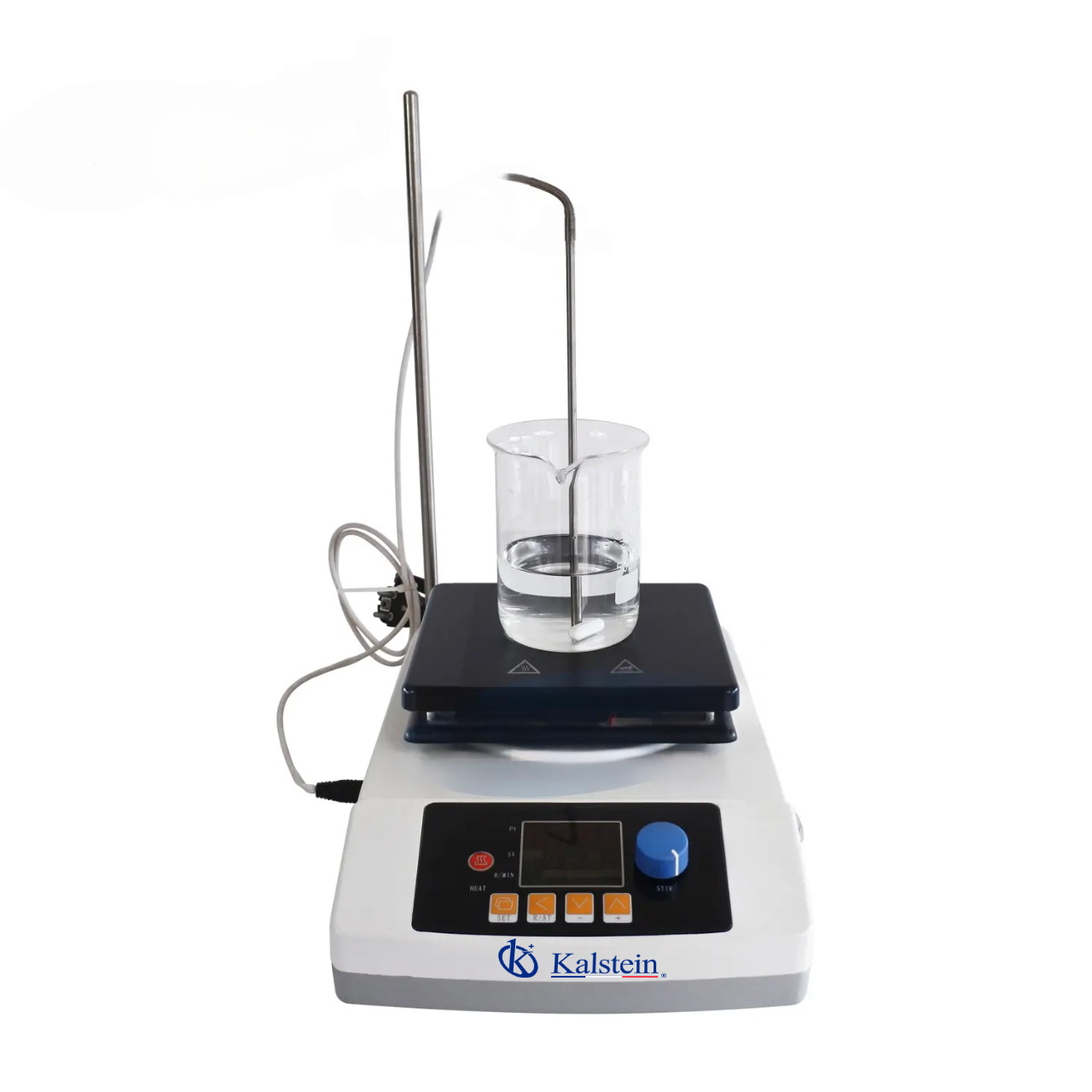
Biosafety Protocols and Safe Operator Management for Intelligent Digital Display Ceramic Top Hotplate Stirrers
In laboratory settings, particularly in chemistry and biology, the use of intelligent digital display ceramic top hotplate stirrers is prevalent. Ensuring safe operation and adherence to biosafety protocols is paramount for operators' health and the integrity of laboratory results. This article delves into vital biosafety measures, safe handling practices, and an in-depth comparison of several models within this subcategory, equipping laboratory professionals with the necessary knowledge to maintain a safe environment.
Understanding Biosafety in Laboratory Settings
Biosafety refers to the containment principles, technologies, and practices implemented to prevent unintentional exposure to pathogens and toxins, and to ensure the safety of laboratory personnel and the environment. For laboratory equipment such as intelligent digital display ceramic top hotplate stirrers, biosafety is crucial, particularly when dealing with hazardous materials. It is essential to follow guidelines and protocols based on the level of biological risk associated with the materials being handled.
Key Biosafety Protocols for Hotplate Stirrers
Laboratories must implement specific biosafety protocols when utilizing intelligent digital display ceramic top hotplate stirrers. These include:
- Proper Personal Protective Equipment (PPE): Operators should always wear appropriate PPE, including lab coats, gloves, and goggles, to reduce exposure risks.
- Operational Procedures: Establish written protocols for the safe use of hotplate stirrers, including operating procedures, emergency response guidelines, and decontamination processes.
- Regular Training: Continuous education and training sessions for all laboratory personnel on the proper use, maintenance, and emergency procedures concerning hotplate stirrers.
- Equipment Maintenance: Regularly inspect and maintain stirrers to ensure they operate safely and effectively, preventing equipment failure that could lead to accidents.
- Emergency Protocols: Clearly outline emergency procedures for addressing spills, exposure incidents, or equipment malfunctions. This includes maintaining access to safety showers and eye wash stations.
Safe Operator Management Techniques
Effective management techniques that prioritize the safety of operators include:
- Job Rotation: Rotate lab personnel to reduce prolonged exposure to hazardous materials and lessen fatigue, ensuring a fresh perspective on laboratory operations.
- Clear Signage: Use appropriate signage to indicate areas where hazardous materials are being used and highlight safety measures.
- Incident Reporting: Maintain a robust system for reporting and addressing incidents promptly, fostering an environment where safety is prioritized and discussed.
- Environment Design: Design laboratory spaces to minimize risk, such as using fume hoods when necessary and ensuring adequate ventilation in high-traffic areas.
Comparison of Available Models
| Model | Temperature Range (°C) | Speed (RPM) | Best For | Price (USD) |
|---|---|---|---|---|
| YR02937 | Ambient to 400 | 100-2000 | Small-scale experiments | 143.00 |
| YR02938 | Ambient to 400 | 100-2000 | General laboratory use | 179.00 |
| YR02939 | RT to 380 | 100-1800 | Medium-scale experiments | 213.00 |
| YR02940 | Ambient to 400 | 100-2000 | Versatile laboratory applications | 297.00 |
| YR02941 | Ambient to 400 | 100-2000 | Small volume reactions | 182.00 |
| YR02942 | Ambient to 400 | 100-1800 | Varied laboratory settings | 220.00 |
Common Mistakes and How to Avoid Them
Laboratory professionals may encounter several mistakes when using intelligent digital display ceramic top hotplate stirrers. Common pitfalls include:
- Neglecting Regular Maintenance: Regular checks and maintenance help avoid technical failures. Schedule inspections to ensure equipment functions correctly.
- Inadequate Training: Ensure all operators are trained in both operating procedures and safety protocols to minimize risks and improve efficiency.
- Ignoring PPE: Always wear appropriate personal protective equipment to reduce exposure to hazardous materials.
- Inadequate Documentation: Maintain thorough records of all procedures, incidents, and maintenance performed to ensure compliance and improve safety protocols.
Frequently Asked Questions
What are the essential biosafety protocols for using hotplate stirrers?
Essential biosafety protocols include wearing PPE, establishing operational procedures, providing regular training, and maintaining equipment. For intelligent digital display ceramic top hotplate stirrers like YR02938, following these protocols is crucial for safety.
How can I ensure safe operator management in a lab using hotplate stirrers?
Implement job rotation, clear signage for hazardous areas, and an incident reporting system. Effective management ensures safety in laboratories using intelligent digital display ceramic top hotplate stirrers, like YR02940.
What are the common mistakes when operating hotplate stirrers?
Common mistakes include neglecting maintenance, inadequate training, ignoring PPE, and insufficient documentation. Avoid these pitfalls to enhance safety and efficiency in labs with models like YR02941.
Which model is best for small-scale experiments using hotplate stirrers?
The YR02937 model is best suited for small-scale experiments, featuring a temperature range of ambient to 400°C and a speed of 100-2000 RPM, ensuring reliability and safety.
How often should I conduct maintenance on hotplate stirrers?
Maintenance should be conducted regularly, ideally monthly or according to the manufacturer’s guidelines. For models like YR02939, timely maintenance prevents failures and ensures safety protocols are upheld.
What PPE is recommended when using hotplate stirrers in the lab?
Recommended PPE includes lab coats, gloves, and goggles to protect against spills and exposure. This is crucial when handling hazardous materials in conjunction with models like YR02942.
How can I improve safety while using hotplate stirrers in the lab?
Improving safety involves proper training, frequent equipment inspections, using clear signage, and adhering to biosafety protocols. Employing models like YR02938 ensures a safer laboratory environment.
Which hotplate stirrer model is best for varied laboratory settings?
The YR02942 model is ideal for varied laboratory settings, offering flexibility with a temperature range of ambient to 400°C and a speed of 100-1800 RPM, catering to diverse experimental requirements.
If you are looking for a fusion of innovation and quality, you have come to the right place. At Kalstein, we offer you the luxury of exploring our exclusive catalog of laboratory equipment. We manufacture every device to the highest standards of excellence. Our intuitive and seamless online purchasing channels are designed for your convenience, securing the most competitive prices. Hesitate no longer — we bring science to life, it is time to become part of our community.