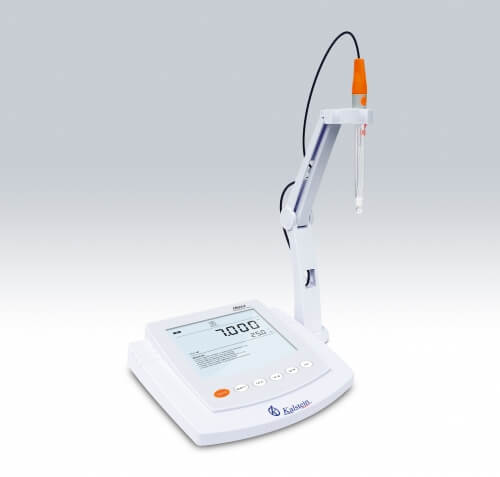
Ensuring Biosafety Protocols with Table Conductivity Controllers
In laboratory settings, ensuring the safety of operators and compliance with biosafety protocols is of utmost importance. Table conductivity controllers play a crucial role in this regard, as they facilitate precise measurements essential for various experiments while simultaneously reducing risks associated with hazardous materials. This article delves into the different models of table conductivity controllers, their specifications, and how they align with biosafety protocols.
Understanding Biosafety Protocols in Laboratory Settings
Biosafety protocols are designed to protect laboratory personnel, the environment, and the community from exposure to potentially hazardous biological agents. These protocols are categorized into different biosafety levels (BSL), with each level requiring specific containment measures and safety practices. Table conductivity controllers, when integrated with proper biosafety measures, can significantly minimize the risks posed by hazardous substances during measurement processes.
Importance of Table Conductivity Controllers in Biosafety
Table conductivity controllers are essential tools in laboratories that require accurate conductivity measurements, particularly in environments dealing with corrosive or toxic substances. The right controller can enhance safety by providing reliable readings, which is crucial for maintaining proper laboratory protocols. Features such as automatic temperature compensation and calibration help ensure that operators are less exposed to hazardous materials.
Key Features of Table Conductivity Controllers
When evaluating table conductivity controllers for biosafety, several key features should be considered:
- Automatic Calibration: Ensures accuracy without the need for manual adjustments, minimizing operator exposure to hazardous chemicals.
- LCD Display: Large, backlit displays allow for clear visibility from a distance, reducing the need to approach potentially dangerous setups.
- Temperature Compensation: Automatic temperature adjustments prevent erroneous readings that could lead to unsafe decisions.
- Durability and Design: Robust design minimizes breakage and spillage, ensuring a safer work environment.
Comparison of Available Models
| Model | Price (USD) | pH Range | Conductivity Range | Calibration Points | Best for |
|---|---|---|---|---|---|
| YR01836-1 | 355.00 | -2.000 to 20.000 pH | 0.01 to 2000 µS/cm | 1 to 5 | Precise pH and conductivity measurements |
| YR01836 | 199.00 | -2 to 19.999 pH | 0 to 2000 µS/cm | 1 to 3 | Routine applications and basic conductivity testing |
| YR01829-1 | 160.00 | N/A | 0.01 to 2000 µS/cm | 1 to 3 | Daily tests with reliable accuracy |
| YR01829-2 | 235.00 | N/A | 0.01 to 2000 µS/cm | 1 to 3 | Daily tests with reliable accuracy |
| YR01829 | 285.00 | -1.999 to 19.999 pH | 0.00 to 2000 µS/cm | 1 to 3 | Advanced features for conductivity measurement |
| YR01828 | 232.00 | N/A | 0.00 to 2000 µS/cm | 1 to 3 | Multi-function measurements including TDS |
Common Mistakes and How to Avoid Them
Laboratory professionals often encounter various pitfalls when implementing biosafety protocols with conductivity controllers. Below are common mistakes and suggestions on how to avoid them:
- Ignoring Calibration: Always ensure that the conductivity meter is calibrated according to the manufacturer’s specifications, particularly before use to avoid inaccurate readings.
- Neglecting Safety Gear: Operators should always wear appropriate personal protective equipment (PPE) to minimize exposure to hazardous materials.
- Overlooking Maintenance: Regular maintenance checks are vital for ensuring the equipment operates safely and effectively. Schedule periodic inspections and calibrations.
FAQs
What are the biosafety protocols for using table conductivity controllers in laboratories?
Biosafety protocols involve using appropriate PPE and procedures when handling hazardous materials. Models like the YR01836-1 help by providing accurate readings that support compliance with these protocols, minimizing risks.
How does automatic calibration enhance safety when using conductivity meters?
Automatic calibration reduces the likelihood of operator error and exposure to hazardous substances. The YR01829 model, for instance, features automatic calibration, ensuring accurate conductivity measurements without manual input.
Which features should I prioritize in a table conductivity controller for safety?
Look for features like automatic temperature compensation, large LCD displays, and durable construction. The YR01828 model supports these aspects, supporting safer laboratory practices.
How often should I calibrate my conductivity meter to ensure compliance?
Calibration frequency depends on usage, but it’s generally recommended to calibrate daily or before significant measurements. The YR01836 model supports up to five calibration points, ensuring precision in various testing scenarios.
What personal protective equipment is necessary when using conductivity controllers?
PPE such as gloves, lab coats, and safety goggles are essential when working with hazardous materials. Ensuring operator safety while using controllers like the YR01829 is paramount for compliance with biosafety protocols.
Can table conductivity controllers assist in reducing reagent waste in laboratories?
Yes, precise measurements from models like the YR01828 can minimize reagent usage by ensuring accurate dilutions and concentrations, thereby reducing waste in laboratory settings.
What is the best table conductivity controller for compliance with biosafety protocols?
Models like the YR01836-1 are ideal for compliance due to their comprehensive features, including automatic error detection and multi-point calibration, which enhance safety in laboratory environments.
How do I integrate table conductivity controllers with existing biosafety systems?
Integrating table conductivity controllers involves ensuring compatibility with laboratory information management systems (LIMS) and following established biosafety protocols. Devices like the YR01829 facilitate this integration efficiently.
If you are looking for a fusion of innovation and quality, you have come to the right place. At Kalstein, we offer you the luxury of exploring our exclusive catalog of laboratory equipment. We manufacture every device to the highest standards of excellence. Our intuitive and seamless online purchasing channels are designed for your convenience, securing the most competitive prices. Hesitate no longer — we bring science to life, it is time to become part of our community.