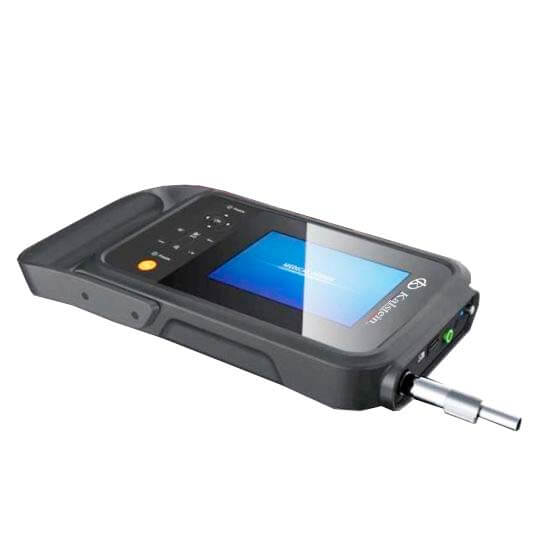
Ensuring Biosafety Protocols in Ultrasonic Diagnostic Equipment Operation
In laboratory environments where ultrasonic diagnostic equipment is utilized, the implementation of effective biosafety protocols is paramount. These protocols not only ensure the safety of operators but also enhance the accuracy and reliability of diagnostic results. This article delves into the critical biosafety measures and safe handling practices associated with various models of ultrasonic diagnostic equipment, including the Veterinary Ultrasound with Professional Rectal Probe YR05146, the 3D4D Obstetric Ultrasound GYN YR05147, and others.
Understanding Biosafety in Diagnostic Equipment
Biosafety refers to the measures taken to protect laboratory workers, the environment, and the public from exposure to biological agents that could potentially cause harm. In the context of ultrasonic diagnostic equipment, biosafety protocols must be established to minimize risks associated with the use of these devices. This involves recognizing hazards, implementing control measures, and ensuring compliance with applicable regulations.
Key Biosafety Standards for Ultrasonic Equipment
Several key standards govern biosafety practices in laboratories that utilize ultrasonic diagnostic equipment. Compliance with these standards is essential for operational safety and effectiveness. The most relevant standards include:
- ISO 15189: This standard outlines the quality management systems specific to medical laboratories, ensuring that diagnostic services meet the necessary requirements for safety and reliability.
- IEC 61010: This standard pertains to the safety requirements for electrical equipment used in medical laboratories, ensuring that devices such as ultrasonic diagnostic equipment are safe for operators and patients.
Risk Assessment in Ultrasonic Diagnostic Operations
A thorough risk assessment is crucial for identifying potential hazards associated with the operation of ultrasonic diagnostic equipment. This process includes evaluating the types of biological materials that may be encountered, assessing the potential for exposure, and determining appropriate safety measures. For instance, using the Veterinary Ultrasound YR05146 presents specific risks related to the handling of animal tissues, which necessitates stringent biosafety measures.
Essential Personal Protective Equipment (PPE)
To protect laboratory personnel during the use of ultrasonic diagnostic equipment, the appropriate use of personal protective equipment (PPE) is vital. Recommended PPE includes:
- Gloves: to prevent skin contact with potentially hazardous biological materials.
- Lab coats: to protect against contamination and spills.
- Eye protection: to shield against splashes of biological fluids.
Decontamination Protocols
Effective decontamination protocols are essential for maintaining a safe laboratory environment. After using ultrasonic diagnostic equipment, such as the 3D4D Obstetric Ultrasound GYN YR05147, all surfaces and instruments should be thoroughly cleaned and disinfected according to established guidelines. Employing a routine cleaning schedule can significantly reduce the risk of contamination.
Training and Education for Operators
Comprehensive training programs for laboratory personnel are crucial for ensuring that all operators are well-versed in safety protocols associated with ultrasonic diagnostic equipment. Training should include:
- Proper equipment handling and operation techniques.
- Emergency procedures in case of exposure or accidents.
- Regular updates on biosafety regulations and standards.
Common Mistakes and How to Avoid Them
Several common mistakes can compromise biosafety in laboratories utilizing ultrasonic diagnostic equipment. These include:
- Inadequate training of personnel on biosafety protocols.
- Failure to use PPE consistently.
- Neglecting routine maintenance and decontamination of equipment.
To avoid these pitfalls, laboratories should implement regular training sessions and audits to ensure compliance with established biosafety protocols.
Comparison of Available Models
| Model | Weight (kg) | Battery Life (hours) | Best For |
|---|---|---|---|
| YR05146 | 0.5 | 3 | Veterinary applications |
| YR05147 | N/A | 3 | Obstetrics/Gynecology |
| YR05154 | N/A | N/A | General diagnostics |
| YR05154-1 | N/A | N/A | Portable diagnostics |
| YR05155 | N/A | N/A | General diagnostics |
| YR05155-1 | N/A | N/A | Portable diagnostics |
Frequently Asked Questions
What are the biosafety protocols for ultrasonic diagnostic equipment operation?
Biosafety protocols include using personal protective equipment (PPE), conducting regular decontamination, and ensuring operator training. Models like the YR05146 require specific protocols due to their veterinary applications.
How can I ensure compliance with ISO 15189 for ultrasonic diagnostics?
To ensure compliance with ISO 15189, laboratories must establish quality management systems that include regular audits and staff training. Ultrasonic models like YR05147 should adhere to these standards for obstetric applications.
What decontamination procedures should I follow for ultrasonic diagnostic equipment?
Decontamination procedures should include cleaning surfaces with approved disinfectants after use. For instance, after using the YR05147, ensure all surfaces are sanitized to prevent contamination.
What PPE is essential when operating ultrasonic diagnostic devices?
Essential PPE includes gloves, lab coats, and eye protection to safeguard against biological hazards. Using these items during operations of models like YR05146 is crucial.
How often should training on biosafety protocols be conducted?
Training on biosafety protocols should be conducted regularly, ideally at least annually, to keep personnel informed about the latest practices, especially regarding ultrasonic diagnostic equipment like YR05147.
What common mistakes should be avoided in ultrasonic diagnostics?
Common mistakes include inadequate training, neglecting PPE, and failing to maintain equipment. Addressing these issues is vital for using models like YR05155 safely.
How do I assess risks associated with ultrasonic diagnostic equipment?
Conduct a thorough risk assessment by identifying potential hazards, evaluating exposure risks, and implementing control measures for devices such as the YR05154.
What model is best for veterinary applications in ultrasonic diagnostics?
The Veterinary Ultrasound YR05146 is specifically designed for veterinary applications, featuring a lightweight design and high-resolution imaging, ensuring optimal safety and performance in the lab.
If you are looking for a fusion of innovation and quality, you have come to the right place. At Kalstein, we offer you the luxury of exploring our exclusive catalog of laboratory equipment. We manufacture every device to the highest standards of excellence. Our intuitive and seamless online purchasing channels are designed for your convenience, securing the most competitive prices. Hesitate no longer — we bring science to life, it is time to become part of our community.