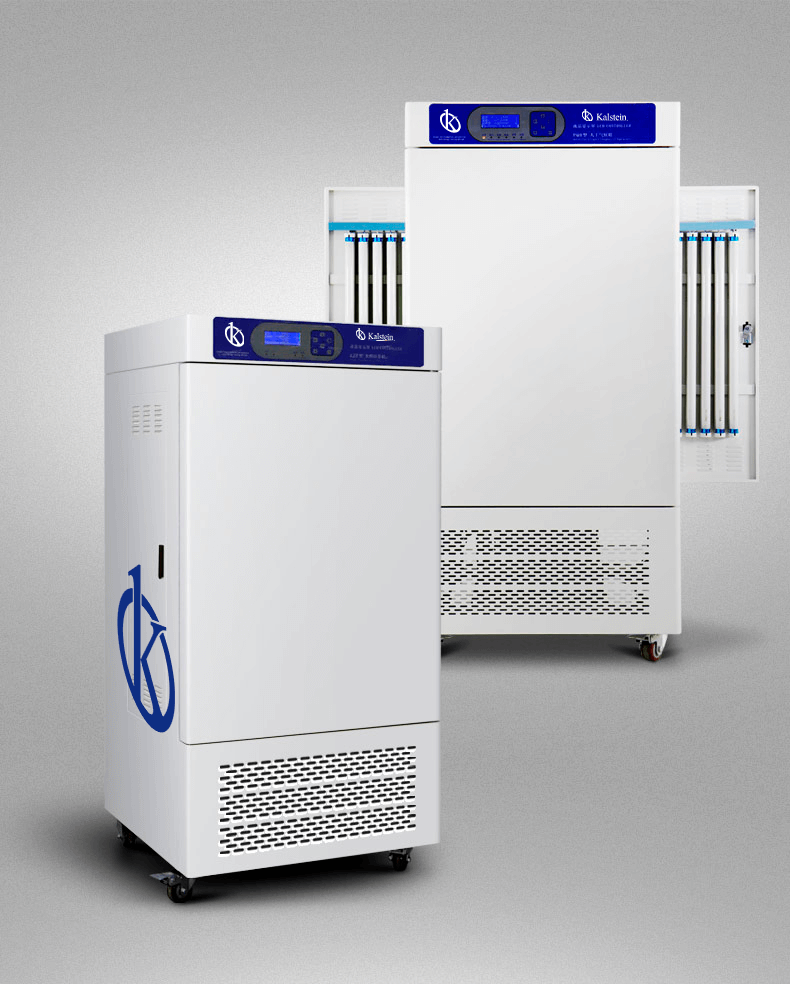
Ensuring Biosafety and Safe Operator Handling in Environmental Chambers
Environmental chambers are vital in laboratories for simulating various climatic conditions, essential for research and testing across diverse fields such as biology, agriculture, and environmental science. However, operating these chambers requires adherence to stringent biosafety protocols to protect operators and ensure optimal functioning. This article delves into the crucial aspects of biosafety in the context of environmental chambers, comparing various models and discussing the necessary precautions to enhance operator safety.
Understanding Biosafety Protocols in Environmental Chambers
Biosafety protocols are designed to minimize the risk of exposure to biological agents and ensure a safe environment for laboratory personnel. These protocols include standard operating procedures (SOPs), risk assessments, and the use of personal protective equipment (PPE).
In environmental chambers, maintaining specific temperature and humidity levels while preventing contamination is critical. Implementing biosafety protocols ensures that both the samples being tested and the operators are secure from potential hazards. Regular training and updated SOPs based on current research and regulations are crucial to maintaining high safety standards.
Key Biosafety Levels and Their Implications for Operator Safety
Environmental chambers may deal with various biosafety levels (BSLs), which indicate the containment measures needed to protect the environment and laboratory personnel. BSL-1 chambers are suitable for agents that pose minimal threat, while BSL-4 chambers must contain the most dangerous pathogens, necessitating extensive precautions.
Operators must be familiar with the specific requirements of each BSL, including the type of PPE needed, decontamination procedures, and emergency response protocols. For example, BSL-4 requires full-body suits and strict entry and exit protocols to prevent contamination.
Effective Operator Handling and Training Practices
Training is paramount for ensuring the safety of operators handling environmental chambers. Regular training sessions should focus on the operation of equipment, understanding of biosafety levels, and emergency procedures. Simulation of potential hazard scenarios can prepare staff for real-life situations.
Documentation of training and compliance with regulatory standards is essential for maintaining a safe laboratory environment. Regular assessments and refresher courses can help operators stay updated with the latest safety practices.
Comparison of Available Models
| Model | Temperature Range (°C) | Humidity Range (%) | Volume (L) | Power (W) | Best for |
|---|---|---|---|---|---|
| YR05328 | 10~60 (with lighting), 5~60 (without lighting) | 50% ~ 90% ± 5% HR | 150 | 900 | Biology research, agriculture testing |
| YR05329 | 10~60 (with lighting), 5~60 (without lighting) | 50% ~ 90% ± 5% HR | 250 | 1000 | Environmental studies, forestry applications |
| YR05330 | 10~60 (with lighting), 5~60 (without lighting) | 50% ~ 90% ± 5% HR | 350 | 1200 | Comprehensive environmental testing |
Common Mistakes and How to Avoid Them
One common mistake in laboratory settings is underestimating the importance of thorough training on biosafety protocols. Operators often overlook the need for regular updates to their training, which can lead to lapses in adherence to safety standards.
Another frequent error is improper maintenance of the environmental chambers, which can compromise safety and testing conditions. Regular checks and calibration of equipment, along with timely repairs, are essential to prevent hazards.
FAQs
What are the essential biosafety protocols for environmental chambers?
Essential biosafety protocols for environmental chambers include risk assessments, appropriate PPE usage, and regular training on safety practices. For instance, models like YR05329 must follow strict humidity and temperature controls to ensure safe operations.
How does the temperature range impact operator safety in environmental chambers?
The temperature range affects operator safety by influencing the stability of biological samples. Models such as YR05330 offer a range of 10~60°C, which must be maintained to avoid dangerous reactions and ensure safety.
Which model is best for high humidity environments in a laboratory?
For high humidity environments, the YR05329 model is ideal due to its 50% to 90% humidity control with ±5% HR fluctuations, ensuring safe operator handling while conducting experiments.
What types of PPE are recommended for BSL-3 environmental chambers?
For BSL-3 environmental chambers, full-body suits, gloves, and respiratory protection are recommended to ensure safety. Models like YR05328, designed for various research applications, require strict adherence to these protocols.
How frequently should training on biosafety protocols be updated?
Training on biosafety protocols should be updated at least annually, or more frequently if new regulations or equipment are introduced. Continuous learning is crucial for safe operations in laboratories using models like YR05330.
What are the best practices for maintenance of environmental chambers?
Best practices for maintenance include regular calibration, immediate repairs of faults, and thorough cleaning protocols. Models such as YR05329 should be inspected routinely to ensure optimal functioning and operator safety.
What decontamination protocols are recommended for environmental chambers?
Decontamination protocols typically involve the use of appropriate disinfectants and thorough cleaning of surfaces. For instance, YR05328 should be decontaminated post-experiment to eliminate potential biosafety risks.
How do environmental chambers support research in biosafety?
Environmental chambers support biosafety research by providing controlled conditions to study biological agents safely. Models like YR05330 enable precise simulation of environmental conditions required for effective research.
If you are looking for a fusion of innovation and quality, you have come to the right place. At Kalstein, we offer you the luxury of exploring our exclusive catalog of laboratory equipment. We manufacture every device to the highest standards of excellence. Our intuitive and seamless online purchasing channels are designed for your convenience, securing the most competitive prices. Hesitate no longer — we bring science to life, it is time to become part of our community.