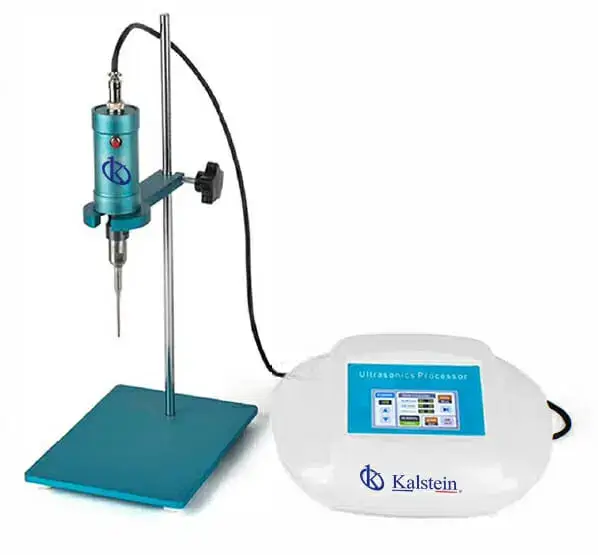
How to Ensure Biosafety and Safe Operation Protocols for Ultrasonic Homogenizers
Ultrasonic homogenizers are pivotal in various laboratory applications, enhancing sample preparation through ultrasonic processing. However, the use of such equipment demands stringent biosafety protocols and operator safety measures to prevent accidents and ensure compliance with health standards. This article delves into the necessary biosafety protocols and operational procedures to safely use ultrasonic homogenizers in laboratory environments.
Understanding Biosafety Levels and Their Relevance to Ultrasonic Homogenizers
Biosafety levels (BSL) classify laboratories based on the pathogens they handle and the necessary precautions. Ultrasonic homogenizers, such as the YR05829 model, can be utilized in labs working with BSL-1 to BSL-3 organisms. Each level imposes different control measures concerning equipment use, personal protective equipment (PPE), and operational procedures.
Key Biosafety Protocols for Ultrasonic Homogenizers
When operating ultrasonic homogenizers, the following biosafety protocols should be implemented:
- Personal Protective Equipment (PPE): Lab coats, goggles, gloves, and face shields should be mandatory to protect users from potential aerosol exposure.
- Aerosol Containment: Use equipment with enclosed chambers to minimize aerosol dispersion during the homogenization process.
- Decontamination Procedures: Regularly clean and decontaminate the ultrasonic homogenizer surfaces, particularly when handling infectious materials.
Operational Safety Measures for Ultrasonic Homogenizers
In addition to biosafety protocols, operators must adhere to specific safety measures to prevent accidents:
- Training and Competency: Ensure all personnel are trained in the safe operation of ultrasonic homogenizers to reduce the risk of misuse.
- Emergency Procedures: Establish clear emergency protocols in case of equipment malfunction or accidental exposure.
- Routine Maintenance: Perform regular maintenance checks on the equipment to ensure it is functioning correctly and safely.
Comparison of Available Models
| Model | Ultrasonic Power (W) | Frequency (KHz) | Processing Capacity (ml) | Best For |
|---|---|---|---|---|
| YR05829 | 5-150 | 19-25 | 0.1-50 | Biosafety level 1 samples |
| YR05830 | 5-250 | 19-25 | 0.5-100 | Biosafety level 2 samples |
| YR05831 | 5-400 | 19-25 | 0.5-300 | Biosafety level 3 samples |
| YR05832 | 650 | 20-25 | 0.2-500 | Versatile use across levels |
Common Mistakes and How to Avoid Them
Avoiding common mistakes in the operation of ultrasonic homogenizers can significantly enhance biosafety and operational efficiency:
- Neglecting PPE: Always wear appropriate PPE to prevent exposure to aerosols and potential contaminants.
- Ignoring Equipment Calibration: Regularly calibrate and maintain your ultrasonic homogenizers to ensure safe and accurate operation.
- Inadequate Training: Ensure every user receives comprehensive training on the specific ultrasonic homogenizer model they will operate.
Frequently Asked Questions
What are the essential biosafety measures for using ultrasonic homogenizers?
Essential biosafety measures include wearing appropriate PPE, utilizing aerosol containment strategies, and following strict decontamination protocols. Models like the YR05831 are designed for handling BSL-3 samples and highlight the importance of such measures.
How do I ensure safe operation of an ultrasonic homogenizer?
To ensure safe operation, conduct regular maintenance, provide thorough training for all users, and establish clear emergency procedures. The YR05830 model, for example, necessitates understanding its operational limits for safe use.
What types of samples can I process with ultrasonic homogenizers in a biosafety setting?
Ultrasonic homogenizers can process various samples, including BSL-1 to BSL-3 organisms. For instance, the YR05832 model is versatile enough for different biosafety levels, making it suitable for a wide range of applications.
What should I include in my ultrasonic homogenizer maintenance checklist?
Your maintenance checklist should include calibration, cleaning protocols, inspection of electrical components, and verification of PPE use. Regular checks ensure the safety and effectiveness of models like the YR05831.
How can I minimize aerosol exposure when using ultrasonic homogenizers?
Minimizing aerosol exposure can be achieved by using enclosed systems, employing effective PPE, and maintaining a clean workspace. The YR05830 model emphasizes these strategies in its design and operation.
What are the common mistakes to avoid when operating ultrasonic homogenizers?
Common mistakes include neglecting PPE, failing to maintain equipment, and inadequate user training. Models such as the YR05829 emphasize the necessity of these practices for safe operation.
What training is necessary for ultrasonic homogenizer operators?
Operators should receive training on equipment operation, safety protocols, emergency procedures, and proper handling of materials. Familiarity with models like the YR05831 is crucial for effective training.
How often should ultrasonic homogenizers be calibrated for optimal safety?
Calibration should occur regularly, ideally before routine use and after any maintenance. Ensuring models like the YR05832 are calibrated guarantees safe and effective operation in laboratory settings.
If you are looking for a fusion of innovation and quality, you have come to the right place. At Kalstein, we offer you the luxury of exploring our exclusive catalog of laboratory equipment. We manufacture every device to the highest standards of excellence. Our intuitive and seamless online purchasing channels are designed for your convenience, securing the most competitive prices. Hesitate no longer — we bring science to life, it is time to become part of our community.