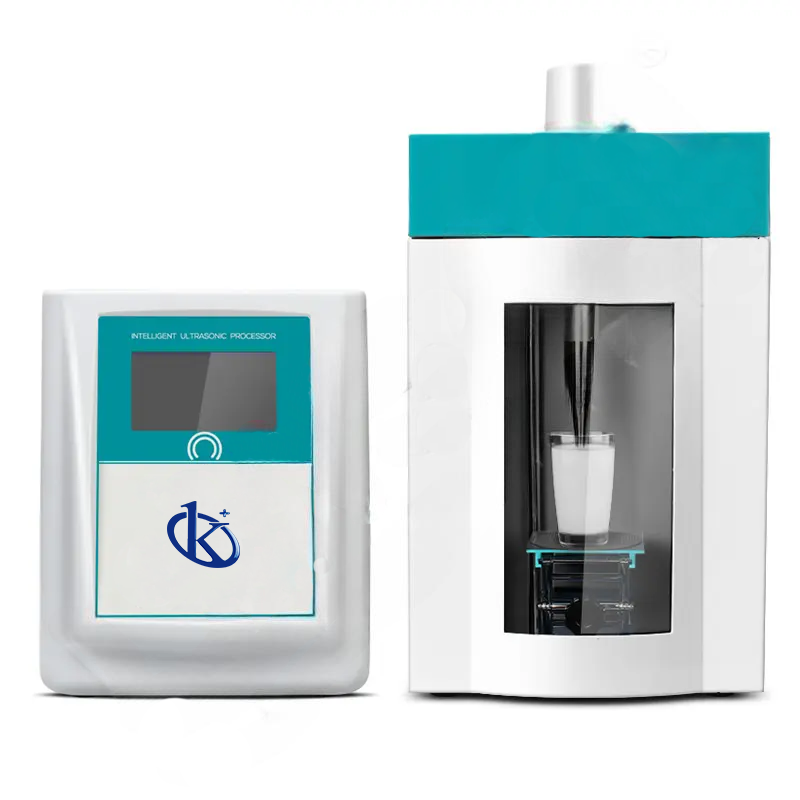
Ensuring Biosecurity Protocols and Safe Operator Management with Ultrasonic Homogenizers
In today's laboratory environments, the integration of biosecurity protocols is crucial for ensuring the safety of operators and the integrity of experimental results. Ultrasonic homogenizers serve as essential tools in this context, providing a means to efficiently process samples while adhering to safety standards. This article delves into how these homogenizers can be optimized to meet biosecurity protocols and ensure the safe management of operators.
Understanding Biosecurity Protocols in Laboratory Settings
Biosecurity protocols are designed to prevent the accidental release of pathogens and ensure safe handling of materials. These protocols include various measures such as personal protective equipment (PPE), decontamination processes, and equipment safety features. Ultrasonic homogenizers, like the YR05015 and YR05020, are equipped with multiple safety features that help facilitate compliance with these protocols.
For instance, models such as the YR05016 and YR05019 include automatic alarm systems that alert operators to potential failures or over-temperature conditions, reinforcing the importance of operator awareness and safety during usage.
Operator Safety and Ultrasonic Homogenizers
Ensuring operator safety involves more than just providing PPE; it requires the selection of equipment that incorporates safety features. Ultrasonic homogenizers have evolved to enhance safety through design elements such as overload protection mechanisms and non-invasive probe designs. These features prevent accidents and equipment damage, making models like the YR05017 and YR05018 ideal choices for labs emphasizing biosecurity.
Furthermore, the ability to set power levels from 1% to 100% allows for precise control over the homogenization process, which minimizes the risk of sample contamination or accidental exposure to hazardous materials.
Best Practices for Implementing Biosecurity Protocols
Implementing effective biosecurity protocols requires a structured approach. Here are key practices to consider:
- Conduct Risk Assessments: Evaluate potential risks associated with sample processing and identify necessary control measures.
- Regular Training: Provide training for operators on safe practices, equipment handling, and emergency procedures.
- Compliance Checks: Regularly review compliance with standards and protocols to ensure ongoing safety.
- Equipment Maintenance: Schedule preventive maintenance for ultrasonic homogenizers to maintain operational efficiency and safety.
Comparison of Available Models
| Model | Power (W) | Mixing Capacity (ml) | Price (USD) |
|---|---|---|---|
| YR05015 | 1.5 – 150 | 0.1 – 150 | 756.00 |
| YR05016 | 2-5 – 250 | 0.1 – 300 | 882.00 |
| YR05017 | 10 – 650 | 0.1 – 500 | 1050.00 |
| YR05018 | 10 – 900 | 0.1 – 600 | 1281.00 |
| YR05019 | 20 – 1,200 | 1 – 1,000 | 1785.00 |
| YR05020 | 50 – 1,800 | 1 – 1,200 | 2058.00 |
Evaluating Biosecurity Compliance with Ultrasonic Homogenizers
It is essential to align laboratory practices with international standards such as ISO 17025. Ultrasonic homogenizers play a significant role in meeting these standards through their design and operational capabilities. For instance, the ability to control the operating temperature and monitor sample conditions helps maintain compliance with regulatory requirements.
Models like the YR05015 and YR05020 offer built-in features that track temperature and other critical parameters, ensuring that the homogenization process adheres to necessary safety protocols.
Common Mistakes and How to Avoid Them
When implementing biosecurity protocols around ultrasonic homogenizers, laboratories often face pitfalls. Here are some common mistakes and ways to avoid them:
- Neglecting Operator Training: Ensure all personnel are trained on the specific safety features of the models in use, such as the YR05017.
- Inadequate Maintenance: Regularly maintain equipment to avoid malfunctions that can lead to biosecurity breaches.
- Overlooking Documentation: Maintain thorough records of equipment usage, maintenance, and compliance checks to support regulatory audits.
Frequently Asked Questions
How do ultrasonic homogenizers enhance biosecurity in laboratories?
Ultrasonic homogenizers, such as the YR05016, enhance biosecurity through features like automatic failure alarms and overload protection, ensuring safe sample processing while minimizing risks of exposure.
What safety features should I look for in an ultrasonic homogenizer?
When selecting an ultrasonic homogenizer, look for models like the YR05020 that include overload protection, temperature monitoring, and non-invasive probe designs to ensure operator safety and equipment integrity.
Which ultrasonic homogenizer model is best for compliance with ISO 17025?
The YR05019 model offers features that support compliance with ISO 17025 standards, including temperature tracking and alarm systems that help maintain operational safety during sample processing.
What are the common biosecurity protocols for laboratory equipment?
Common biosecurity protocols include using PPE, implementing decontamination processes, and ensuring equipment like the YR05018 is routinely maintained to minimize risks during laboratory operations.
How can I ensure safe handling of ultrasonic homogenizers in my lab?
Ensure safe handling by providing thorough training on features and protocols, regularly inspecting equipment, and adhering to biosecurity standards, particularly with models like the YR05015.
What is the price range for ultrasonic homogenizers suitable for biosecurity protocols?
Ultrasonic homogenizers suitable for biosecurity protocols range in price from approximately $756 for the YR05015 to $2058 for the YR05020, depending on features and capabilities.
How does operator training impact lab safety with homogenizers?
Operator training significantly impacts lab safety by ensuring users understand safety features and protocols of ultrasonic homogenizers, such as the YR05017, which enhances compliance and reduces accident risks.
What maintenance practices ensure ultrasonic homogenizers comply with safety standards?
Regular maintenance practices include routine inspections, calibrations, and ensuring all safety features function correctly, which is essential for models like the YR05016 to comply with safety standards.
If you are looking for a fusion of innovation and quality, you have come to the right place. At Kalstein, we offer you the luxury of exploring our exclusive catalog of laboratory equipment. We manufacture every device to the highest standards of excellence. Our intuitive and seamless online purchasing channels are designed for your convenience, securing the most competitive prices. Hesitate no longer — we bring science to life, it is time to become part of our community.