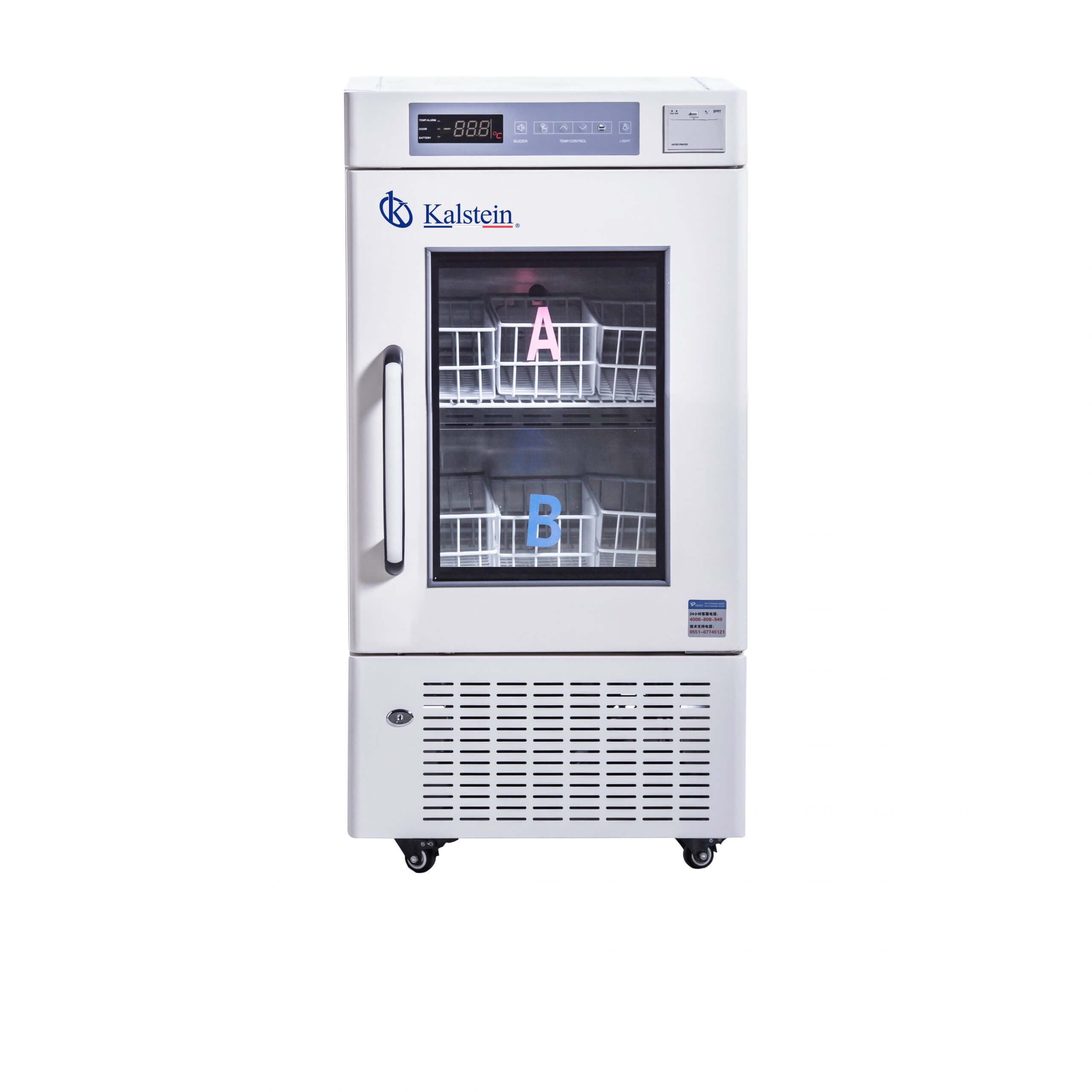
Blood Bank Refrigerators: Practical Applications and Techniques 2026
What is it used for in 2026
In 2026, Blood Bank Refrigerators are essential for the safe storage of blood products, pharmaceuticals, and biological materials. These devices provide optimal temperature control, ensuring that stored items remain viable and effective for transfusion or medical use. They are widely utilized in blood banks, hospitals, and research facilities, supporting the critical need for blood management and safe storage.
History and evolution of the technology
The evolution of Blood Bank Refrigerators can be traced back to the early 20th century when the need for safe blood storage became apparent. Initially, ice and coolers were used, but innovations led to specialized refrigeration technology designed to maintain precise temperature ranges between 2-6°C. Over the decades, improvements in energy efficiency, temperature monitoring, and user interfaces have greatly enhanced the reliability and usability of these refrigerators.
How to use it step by step
Using a Blood Bank Refrigerator involves several key steps:
- Preparation: Ensure the refrigerator is clean and properly calibrated.
- Temperature Setting: Set the temperature to the desired range (2-6°C) using the digital control panel.
- Loading: Organize blood bags or products on shelves, ensuring proper airflow.
- Monitoring: Regularly check the temperature and logs for compliance.
- Defrosting: Perform routine defrosting to prevent ice buildup, following the manufacturer’s recommendations.
- Inventory Management: Keep track of inventory and expiration dates to ensure product safety.
Best techniques and protocols
Implementing best practices when using Blood Bank Refrigerators includes:
- Routine Calibration: Regular calibration of temperature sensors is critical to maintain accuracy.
- Protocol Adherence: Follow standard operating procedures (SOPs) for storage and retrieval.
- Data Logging: Utilize data loggers for continuous temperature monitoring and alerts.
- Regular Maintenance: Schedule regular maintenance checks to ensure optimal performance.
- Staff Training: Ensure staff are trained in proper usage and emergency procedures.
Practical applications by laboratory type
Blood Bank Refrigerators find applications across various laboratory types, including:
- Hospitals: For storing blood and components for transfusions.
- Blood Banks: Essential for managing blood donations and distribution.
- Research Laboratories: Used for preserving biological samples under strict temperature control.
- Pharmaceutical Facilities: For storing sensitive medications and bioproducts.
Regulations, standards and certifications
Blood Bank Refrigerators must comply with various regulations and standards, including:
- FDA Regulations: Guidelines for blood storage equipment.
- ISO Standards: Quality management regulations ensuring reliability and safety.
- Joint Commission Standards: Requirements for healthcare organizations in the United States.
Comparison with alternative technologies
When comparing Blood Bank Refrigerators to alternative technologies, such as traditional freezers and standard refrigerators, key differences include:
- Temperature Control: Blood Bank Refrigerators maintain a narrow temperature range, crucial for blood viability, while traditional freezers operate at much lower temperatures.
- Design Features: Specialized compartments in Blood Bank Refrigerators support better airflow and temperature stability compared to standard models.
- Monitoring Systems: Advanced digital displays and alerts in Blood Bank Refrigerators provide better monitoring of conditions.
Comparison of available models
| Model | Best for | Key specs | Recommended use case |
|---|---|---|---|
| YR05091 | General blood storage | Price: $800, Cooling: Forced air, Power: 175W | Small to medium blood banks |
| YR05092 | Higher capacity blood storage | Price: $1,230, Cooling: Forced air, Power: 183W | Medium to large hospitals |
| YR05094 | High-volume blood storage | Price: $2,275, Cooling: Forced air, Power: 364W | Large blood banks and hospitals |
| YR05098 | Storage with freezing capability | Price: $1,550, Cooling: Direct, Power: 260W | Biological storage requiring sub-zero conditions |
| YR05292 | High-capacity blood storage | Price: $3,490, Cooling: Forced air, Power: 400W | Large scale blood management operations |
| YR05292-1 | High-capacity blood storage | Price: $1,850, Cooling: Forced air, Power: 220W | Setup for advanced inventory management |
Common mistakes and how to avoid them
Common mistakes in using Blood Bank Refrigerators include:
- Improper Temperature Settings: Always double-check temperature settings to ensure compliance.
- Overloading Units: Avoid overcrowding shelves which can impede airflow.
- Neglecting Maintenance: Set reminders for regular maintenance and calibration to prevent failure.
- Ignoring Data Logs: Regularly review logs to detect any temperature fluctuations early.
Maintenance, calibration and good practices 2026
For optimal performance, follow these maintenance practices:
- Regular Calibration: Schedule calibrations at defined intervals, preferably every six months.
- Cleanliness: Ensure the interior is sanitized regularly to prevent contamination.
- Temperature Checks: Daily log of temperatures to ensure they are within acceptable limits.
- Emergency Protocols: Train staff on emergency procedures in case of power failure or equipment malfunction.
Cost-benefit analysis 2026
When evaluating the cost-benefit of Blood Bank Refrigerators, consider the following:
- Initial Investment: Prices vary significantly based on capacity and features, from $800 to $3,490.
- Operational Efficiency: Advanced models reduce energy costs with better insulation and cooling technologies.
- Regulatory Compliance: Investing in certified models can mitigate risks associated with regulatory violations.
- Longevity and Reliability: Higher upfront costs might lead to lower long-term maintenance expenses.
Frequently asked questions
What should I consider when choosing a Blood Bank Refrigerator?
Consider factors such as capacity, temperature control accuracy, energy efficiency, and compliance with regulatory standards when selecting a model.
How often should I calibrate my Blood Bank Refrigerator?
Calibration should ideally be performed every six months or as recommended by the manufacturer to ensure accurate temperature readings.
Can I store non-blood products in a Blood Bank Refrigerator?
While Blood Bank Refrigerators are designed for blood storage, they can also safely store other temperature-sensitive biological products. However, ensure that the product requirements align with the refrigerator's specifications.
What are the signs that my Blood Bank Refrigerator needs maintenance?
Signs include temperature fluctuations outside the desired range, excessive frost buildup, and unusual noises from the unit. Regular monitoring of temperature logs can also indicate potential issues early.
How can I ensure compliance with regulations?
Stay updated on relevant regulations, and ensure that your Blood Bank Refrigerator meets the standards set by authorities such as the FDA and ISO. Routine checks and compliance audits can help maintain adherence.
What is the expected lifespan of a Blood Bank Refrigerator?
On average, Blood Bank Refrigerators can last between 10 to 15 years with proper maintenance and care, though this can vary by model and usage.
If you are looking for a fusion of innovation and quality, you have come to the right place. At Kalstein, we offer you the luxury of exploring our exclusive catalog of laboratory equipment. We manufacture every device to the highest standards of excellence. Our intuitive and seamless online purchasing channels are designed for your convenience, securing the most competitive prices. Hesitate no longer — we bring science to life, it is time to become part of our community.