Brix Refractometers: Common Errors and How to Avoid Them in Daily Operation 2026
What is it used for in 2026
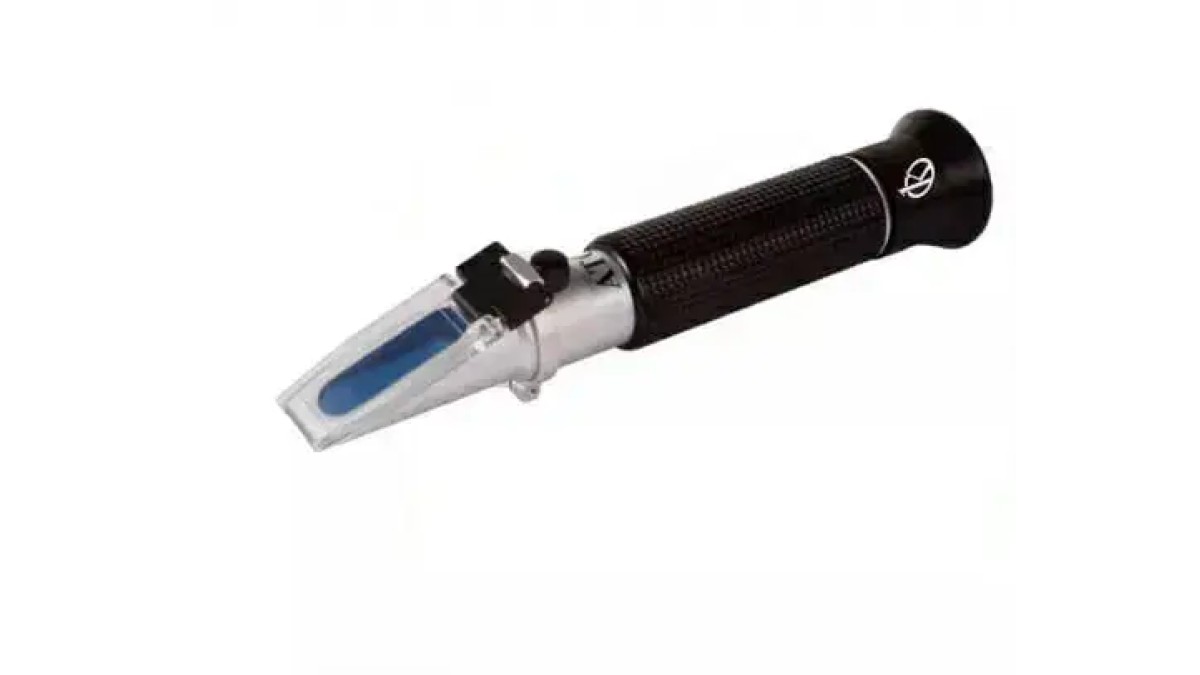
Brix refractometers are widely used across various sectors, including viticulture, agriculture, and food production. They measure the sugar content in plant juices, which is essential for determining the quality and ripeness of fruits and vegetables. In 2026, these devices are crucial for optimizing yield and ensuring product quality.
History and evolution of the technology
The technology of refractometry has evolved significantly since its inception. Initially used in the sugar industry to measure sugar levels, advances in optical technology have enhanced the precision and usability of Brix refractometers. With the introduction of automatic temperature compensation (ATC) features, these devices have become more user-friendly, allowing for accurate readings in varying environmental conditions.
How to use it step by step
To effectively utilize a Brix refractometer, follow these steps:
- Calibration: Ensure the refractometer is calibrated according to the manufacturer's instructions, using distilled water to set the zero point.
- Sample Preparation: Collect a small amount of the juice or liquid sample to be tested, ensuring it is free from contaminants.
- Measurement: Place a few drops of the sample onto the prism of the refractometer, close the cover, and allow it to stabilize for a few seconds.
- Reading the Scale: Look through the eyepiece to read the Brix scale where the boundary line of light and dark intersects.
- Record the Value: Document the Brix value obtained for further analysis or reporting.
Best techniques and protocols
For optimal results when using Brix refractometers, adhere to the following protocols:
- Always clean the prism after each use to prevent residue buildup.
- Conduct multiple measurements and average the results for increased accuracy.
- Use samples at a consistent temperature, close to the calibration temperature of the device.
- Store the refractometer in a protective case to avoid damage and contamination.
Practical applications by laboratory type
Brix refractometers find applications in multiple laboratory settings:
- Agricultural Labs: Used for assessing fruit ripeness and sugar content in crops.
- Food Production: Critical for controlling sugar levels in beverages and confectionery.
- Brewing: Essential for measuring wort sugar content in beer production.
Regulations, standards and certifications
In many regions, Brix refractometers must comply with industry standards such as ISO guidelines for measuring sugar content. Regular calibration and certification of equipment ensure reliability and accuracy in measurement, which is critical for industries reliant on precise sugar quantification.
Comparison with alternative technologies
While Brix refractometers are popular, alternatives such as hydrometers and digital sugar analyzers are also available. Hydrometers are simpler but less accurate, while digital analyzers offer advanced features but at a higher cost. Brix refractometers provide a balance of precision and ease of use, making them a preferred choice in many laboratories.
Comparison of available models
| Model | Best for | Key specs | Recommended use case |
|---|---|---|---|
| YR05872 | 0-5% Brix Measurements | Range: 0-5%, Min Div: 0.1%, Accuracy: ± 0.10% | Ideal for low sugar concentration samples. |
| YR05873 | 0-10% Brix Measurements | Range: 0-10%, Min Div: 0.1%, Accuracy: ± 0.10% | Suitable for fruits and vegetables with moderate sugar levels. |
| YR05874 | 0-18% Brix Measurements | Range: 0-18%, Min Div: 0.1%, Accuracy: ± 0.10% | Good for wines and juices. |
| YR05875 | 0-20% Brix Measurements | Range: 0-20%, Min Div: 0.1%, Accuracy: ± 0.10% | Best for beverages and syrups. |
| YR05876 | 0-32% Brix Measurements | Range: 0-32%, Min Div: 0.1%, Accuracy: ± 0.10% | Perfect for high sugar concentration liquids. |
| YR05877 | Wide Range Brix Measurements | Range: 0-32%, Min Div: 0.1%, Accuracy: ± 0.10% | Versatile for various applications in laboratory settings. |
Common mistakes and how to avoid them
Laboratory professionals often make several common mistakes while operating Brix refractometers:
- Not calibrating: Always calibrate before each use to ensure accurate results.
- Ignoring temperature: Neglecting the effect of temperature can lead to erroneous readings. Use ATC models to mitigate this issue.
- Poor sample cleanliness: Ensure samples are clean and free from contaminants to avoid skewing results.
Maintenance, calibration and good practices 2026
Proper maintenance of Brix refractometers includes cleaning the prism after every use, checking calibration regularly, and storing the device in a protective case. Calibration should occur before each session, using distilled water as a reference point. Regular checks will ensure reliable and accurate measurements over time.
Cost-benefit analysis 2026
Investing in a Brix refractometer can provide significant returns through enhanced product quality and reduced waste. The initial cost of these devices is offset by their ability to quickly and accurately measure sugar content, leading to better decision-making in agricultural and food production processes. Overall, the benefits of improved accuracy and efficiency make Brix refractometers a worthwhile investment for any laboratory.
Frequently asked questions
What is the ideal temperature for using a Brix refractometer?
The ideal temperature for using a Brix refractometer is typically between 10-30°C. Samples should be brought to this temperature for accurate measurements, particularly if the device does not have automatic temperature compensation (ATC).
How often should a Brix refractometer be calibrated?
It is recommended to calibrate a Brix refractometer before each use, especially if it has been moved or exposed to extreme temperatures.
What types of samples can be tested with a Brix refractometer?
Brix refractometers can test various liquid samples, including fruit juices, syrups, wines, and any liquid containing sugars.
How do I clean my Brix refractometer?
Clean the prism of the Brix refractometer with distilled water and a soft cloth after each use to prevent residue buildup and ensure accuracy in future measurements.
Can I use a Brix refractometer for other measurements besides sugar content?
While primarily designed for sugar content, Brix refractometers can also provide insights into the concentration of other dissolved solids in a liquid.
What should I do if my readings seem inaccurate?
If readings seem inaccurate, first check calibration and ensure the device is clean. If problems persist, consult the manufacturer's specifications for troubleshooting tips.
Where can I request a quote for Brix refractometers?
You can request a quote for Brix refractometers through our dedicated sales channel, where we offer competitive pricing and expert support.
If you are looking for a fusion of innovation and quality, you have come to the right place. At Kalstein, we offer you the luxury of exploring our exclusive catalog of laboratory equipment. We manufacture every device to the highest standards of excellence. Our intuitive and seamless online purchasing channels are designed for your convenience, securing the most competitive prices. Hesitate no longer — we bring science to life, it is time to become part of our community.