Car Refractometer: A Practical Step-by-Step Guide for 2026
What is it used for in 2026
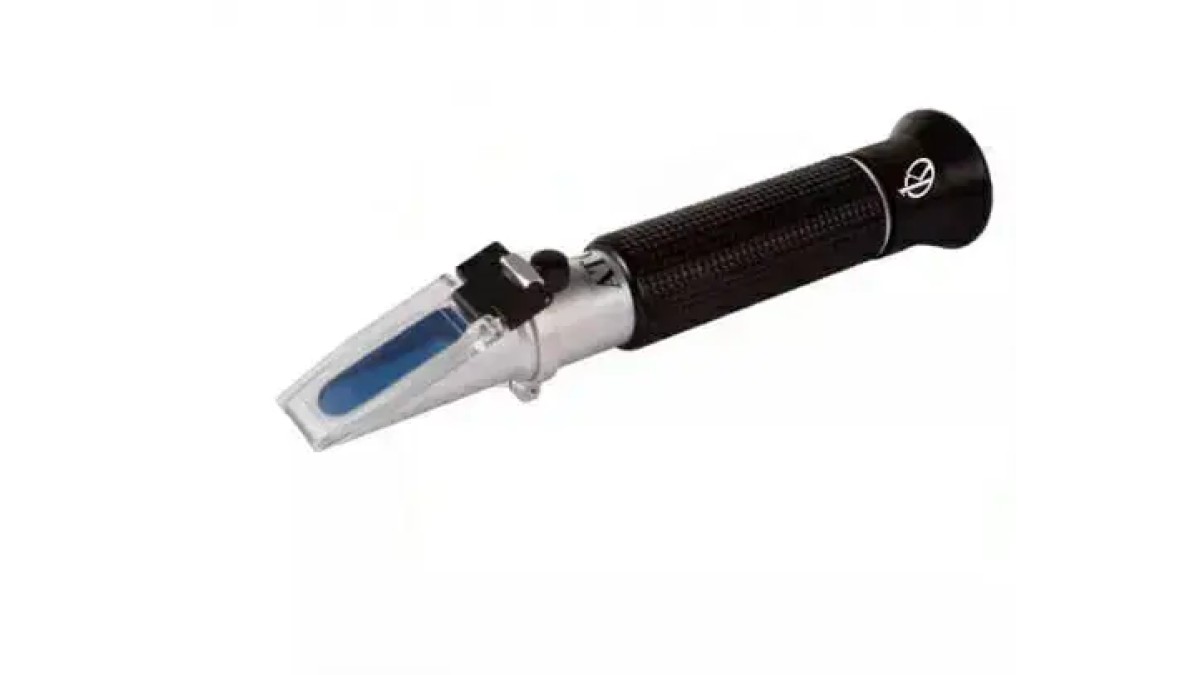
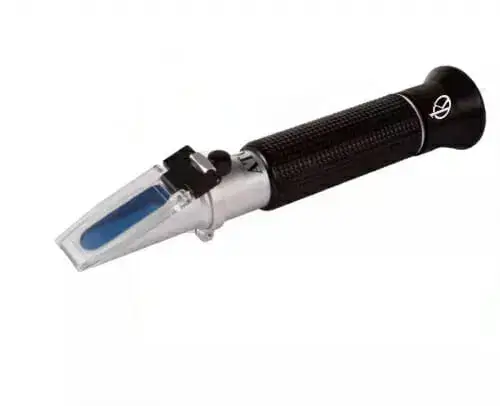
In 2026, car refractometers are essential tools in various laboratory environments, particularly in automotive and chemical testing sectors. These devices are used to measure the refractive index of liquids, which helps determine the concentration of antifreeze in cooling systems. The ability to assess the freezing point of ethylene glycol or propylene glycol solutions is crucial for preventing engine frost damage. Additionally, these refractometers assist in evaluating windshield washer fluid concentrations and ensuring optimal fluid performance in extreme weather conditions.
History and evolution of the technology
The technology behind refractometers has evolved significantly since its inception in the 19th century. Early models were primarily manual and required careful interpretation of results. However, advancements in optical engineering have led to the development of automatic temperature compensation (ATC) systems, which adjust measurements based on environmental temperature. This evolution has made car refractometers more user-friendly and accurate, allowing laboratory technicians to obtain reliable data efficiently in 2026.
How to use it step by step
Using a car refractometer involves a few straightforward steps:
- Preparation: Ensure the refractometer is clean and free from any residue. Calibrate the device according to the manufacturer’s specifications.
- Sample Collection: Collect a small sample of the liquid being tested, such as coolant or washer fluid.
- Application: Place a few drops of the sample onto the prism of the refractometer.
- Measurement: Close the cover and look through the eyepiece to read the refractive index or freezing point scale.
- Documentation: Record the results for future reference and analysis.
Best techniques and protocols
To achieve the most accurate results when using car refractometers in 2026, consider these best techniques and protocols:
- Always use freshly collected samples to avoid contamination.
- Ensure the refractometer is calibrated before each use for precise readings.
- Perform multiple measurements and average the results for consistency.
- Keep the refractometer clean and well-maintained to prolong its lifespan and accuracy.
- Use proper techniques for sample application to avoid air bubbles that can distort readings.
Practical applications by laboratory type
Car refractometers find diverse applications in several types of laboratories:
- Automotive Laboratories: Used primarily to ensure antifreeze concentrations are within safe limits for engine operation.
- Chemical Laboratories: Employed to analyze the composition of cleaning fluids and other chemical mixtures.
- Quality Control Laboratories: Implemented in production lines to monitor fluid formulations and maintain product integrity.
Regulations, standards and certifications
In 2026, laboratories using car refractometers must comply with various regulations and standards to ensure accuracy and reliability. Certification from organizations like ASTM International or ISO standards related to laboratory equipment is essential. Regular calibration and quality checks must align with established guidelines to maintain operational integrity and ensure traceability in measurements.
Comparison with alternative technologies
While car refractometers are widely used, alternative technologies exist. Digital refractometers offer advanced features, including automated measurements and data storage. However, they may come at a higher cost and require more maintenance. Traditional hydrometers are also an alternative but are less precise and harder to read than modern refractometers. Ultimately, the choice between these technologies depends on specific laboratory needs and budget constraints.
Comparison of available models
| Model | Best for | Key specs | Recommended use case |
|---|---|---|---|
| YR05916 | Measuring ethylene glycol and propylene glycol concentrations | Range: E:-60°C--0°C, P:-50°C-0°C, B:1.100-1.400sg; ATC: Yes | Laboratory analysis of automotive coolant |
| YR05917 | Testing antifreeze in automotive applications | Range: E:-60°C--0°C, P:-50°C-0°C, B:1.100-1.400sg; ATC: Yes | Antifreeze concentration tests in engine systems |
| YR05918 | Measuring freezing points for various fluids | Range: E:-60°F-32°F, P:-50°F-32°F; ATC: Yes | Windshield washer fluid concentration testing |
| YR05919 | Analyzing coolant systems | Range: E:-60°C--0°C, P:-50°C-0°C; ATC: Yes | Coolant level and concentration assessments |
| YR05920 | Assessing antifreeze effectiveness | Range: E:-60°C--0°C, P:-50°C-0°C; ATC: Yes | Evaluating the performance of antifreeze solutions |
| YR05921 | Quality control of automotive fluids | Range: E:-60°C--0°C, P:-50°C-0°C; ATC: Yes | Quality assurance in production environments |
Common mistakes and how to avoid them
Several common mistakes can lead to inaccurate measurements when using car refractometers. Here are ways to avoid them:
- Neglecting calibration can skew results; always calibrate before use.
- Not using a clean sample can lead to contamination; ensure samples are fresh and pure.
- Reading the scale improperly can result in misinterpretation; familiarize yourself with the scale layout.
- Rushing the measurement process can lead to mistakes; take your time to ensure accuracy.
Maintenance, calibration and good practices 2026
Regular maintenance and calibration are critical for the longevity and accuracy of car refractometers. Follow these practices:
- Clean the prism and exterior with a soft cloth after each use.
- Calibrate using distilled water regularly and record the calibration results.
- Store the device in a protective case away from direct sunlight and extreme temperatures.
- Follow manufacturer guidelines for detailed maintenance recommendations.
Cost-benefit analysis 2026
In 2026, investing in car refractometers offers significant cost-benefits for laboratories. These devices are generally affordable, with prices typically around $9.50 per unit. The ability to perform accurate measurements reduces the risk of costly errors in automotive maintenance and production. Moreover, the durability and low maintenance requirements of these devices contribute to their overall value, making them a wise choice for laboratories focused on quality and precision.
Frequently asked questions
How do I choose the right car refractometer model?
Choosing the right model depends on your specific application needs. Consider factors like the range of measurement, the type of fluids you will analyze, and whether automatic temperature compensation is necessary for your work environment.
What is the significance of ATC in car refractometers?
Automatic temperature compensation (ATC) is crucial as it adjusts the readings based on the temperature of the sample, ensuring more accurate results across varying environmental conditions.
Can I use a car refractometer for other types of liquids?
While primarily designed for antifreeze and washer fluids, some models can be used for other liquids. However, ensure that the refractometer's specifications align with the liquids you intend to measure.
What should I do if I get inconsistent readings?
If readings are inconsistent, check for sample contamination, ensure proper calibration, and confirm that the device is clean. It may also be helpful to repeat measurements to verify results.
How often should I calibrate my car refractometer?
Calibration should be performed before each use or at least daily for frequent testing applications to maintain accuracy and reliability in measurements.
What maintenance practices do I need to follow?
Regularly clean the prism and exterior, calibrate the device accurately, and store it properly to prolong its lifespan and ensure optimal performance.
Where can I find additional resources on car refractometers?
Many manufacturers provide online resources, including user manuals and instructional videos, which can help enhance your understanding and use of car refractometers.
If you are looking for a fusion of innovation and quality, you have come to the right place. At Kalstein, we offer you the luxury of exploring our exclusive catalog of laboratory equipment. We manufacture every device to the highest standards of excellence. Our intuitive and seamless online purchasing channels are designed for your convenience, securing the most competitive prices. Hesitate no longer — we bring science to life, it is time to become part of our community.