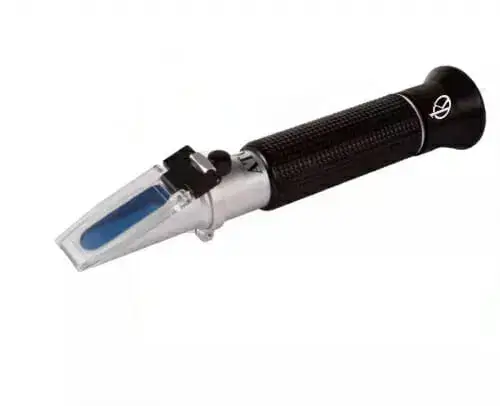
How Car Refractometers Contribute to Energy Sustainability and Environmental Impact Reduction
Energy sustainability and the reduction of environmental footprints are increasingly critical in the automotive industry. Car refractometers play a vital role in achieving these goals by ensuring optimal performance of antifreeze and windshield washer fluids. By leveraging advanced refractometry, laboratory professionals can enhance the efficiency of automotive systems, thereby minimizing energy consumption and environmental impact.
The Role of Car Refractometers in Energy Sustainability
Car refractometers are essential tools for testing the concentration of antifreeze solutions, which directly influences the efficiency of vehicle cooling systems. By ensuring proper concentration levels, these instruments help prevent overheating, improve fuel efficiency, and reduce emissions. Accurate measurements can lead to energy savings, as a well-maintained cooling system operates more efficiently, ultimately contributing to lower greenhouse gas emissions.
Reducing Environmental Footprint with Accurate Measurements
Incorrect antifreeze concentrations can lead to increased environmental hazards. Car refractometers, such as the YR05916 and YR05917, allow for precise readings of ethylene glycol or propylene glycol concentrations, helping to avoid potential leaks and spills that can harm ecosystems. With additional scales for windshield washer fluid freezing points, these devices also ensure that mixtures remain effective, thereby reducing waste and enhancing performance.
Comparison of Available Models
| Model | Measurement Range | Precision | ATC Features | Best for |
|---|---|---|---|---|
| YR05916 | E: -60°C to 0°C, P: -50°C to 0°C | ±0.01sg | Yes | Antifreeze and windshield washer fluid testing |
| YR05917 | E: -60°C to 0°C, P: -50°C to 0°C | ±0.01sg | Yes | Antifreeze concentration analysis |
| YR05918 | E: -60°F to -32°F, P: -50°F to -32°F | ±0.01sg | Yes | Windshield washer fluid freezing point testing |
| YR05919 | E: -60°C to 0°C, P: -50°C to 0°C | ±0.01sg | Yes | Comprehensive fluid testing |
| YR05920 | E: -60°C to 0°C, P: -50°C to 0°C | ±0.01sg | Yes | Fluid concentration monitoring |
| YR05921 | E: -60°C to 0°C, P: -50°C to 0°C | ±0.01sg | Yes | Environmental impact assessment |
Common Mistakes and How to Avoid Them
One of the common mistakes when using car refractometers is neglecting to calibrate the instrument regularly. Calibration is essential for maintaining accuracy, particularly when testing different fluid types. Inaccurate readings can lead to incorrect assessments regarding antifreeze concentrations, potentially causing engine overheating or increased emissions. Always refer to the manufacturer's guidelines for calibration protocols to ensure reliable results.
Energy Consumption and Lifecycle Assessment
When evaluating car refractometers, it is crucial to consider their energy consumption and overall lifecycle impact. These instruments typically consume minimal energy, and their durable construction often leads to lower lifecycle CO2 emissions. Conducting a lifecycle assessment can help identify potential areas for improvement in energy efficiency, ensuring that both the refractometers and the fluids tested are aligned with sustainability goals.
Integration of Car Refractometers into Laboratory Practices
Integrating car refractometers into laboratory practices enhances energy sustainability through improved data management and analysis. By utilizing digital tools alongside refractometers, laboratories can better track fluid testing results, monitor performance over time, and analyze trends that inform energy-saving strategies. This integration can also facilitate compliance with environmental regulations, further reducing the ecological footprint of automotive operations.
Frequently Asked Questions
How do car refractometers help reduce environmental impact in automotive applications?
Car refractometers, such as the YR05916 and YR05917, accurately measure antifreeze concentrations, preventing leaks and improving vehicle efficiency. By maintaining optimal fluid concentrations, they help reduce emissions and energy consumption, directly impacting environmental sustainability.
What are the key features of the YR05918 Car Refractometer for energy sustainability?
The YR05918 Car Refractometer offers features like automatic temperature compensation (ATC) and precise measurement capabilities. This ensures that windshield washer fluid remains effective, thereby reducing waste and contributing to overall energy sustainability in automotive applications.
Which car refractometer model is best for testing antifreeze concentrations?
Both the YR05916 and YR05917 models are excellent choices for testing antifreeze concentrations. They provide precise measurements within specific temperature ranges, ensuring that cooling systems operate efficiently and sustainably.
How can proper calibration of car refractometers impact energy efficiency?
Proper calibration ensures accurate readings for antifreeze concentrations, preventing potential engine overheating or inefficiencies. Regularly calibrated models, like the YR05920, help maintain optimal performance, ultimately leading to energy savings and reduced emissions.
What role do car refractometers play in lifecycle assessments of automotive fluids?
Car refractometers assist in lifecycle assessments by providing accurate data on fluid concentrations and performance. This data helps identify areas for improvement in fluid usage and energy consumption, contributing to more sustainable automotive practices.
How can laboratories integrate car refractometers into energy sustainability goals?
Laboratories can integrate car refractometers by utilizing digital data management tools to monitor fluid testing results effectively. Models like the YR05921 facilitate tracking performance trends that inform energy-saving strategies and compliance with sustainability goals.
What common mistakes should be avoided when using car refractometers?
Common mistakes include neglecting regular calibration and using the wrong scale for fluid testing. Ensuring adherence to calibration protocols and selecting the appropriate model for specific applications, like the YR05919 for comprehensive testing, is essential for accurate results.
Conclusion
Car refractometers serve a vital role in enhancing energy sustainability and reducing the environmental footprint within automotive applications. By ensuring optimal fluid concentrations, laboratories can contribute to improved efficiency and lower emissions. It is essential for professionals to utilize advanced refractometric technology to address the growing need for sustainable practices in the automotive industry.
If you are looking for a fusion of innovation and quality, you have come to the right place. At Kalstein, we offer you the luxury of exploring our exclusive catalog of laboratory equipment. We manufacture every device to the highest standards of excellence. Our intuitive and seamless online purchasing channels are designed for your convenience, securing the most competitive prices. Hesitate no longer — we bring science to life, it is time to become part of our community.