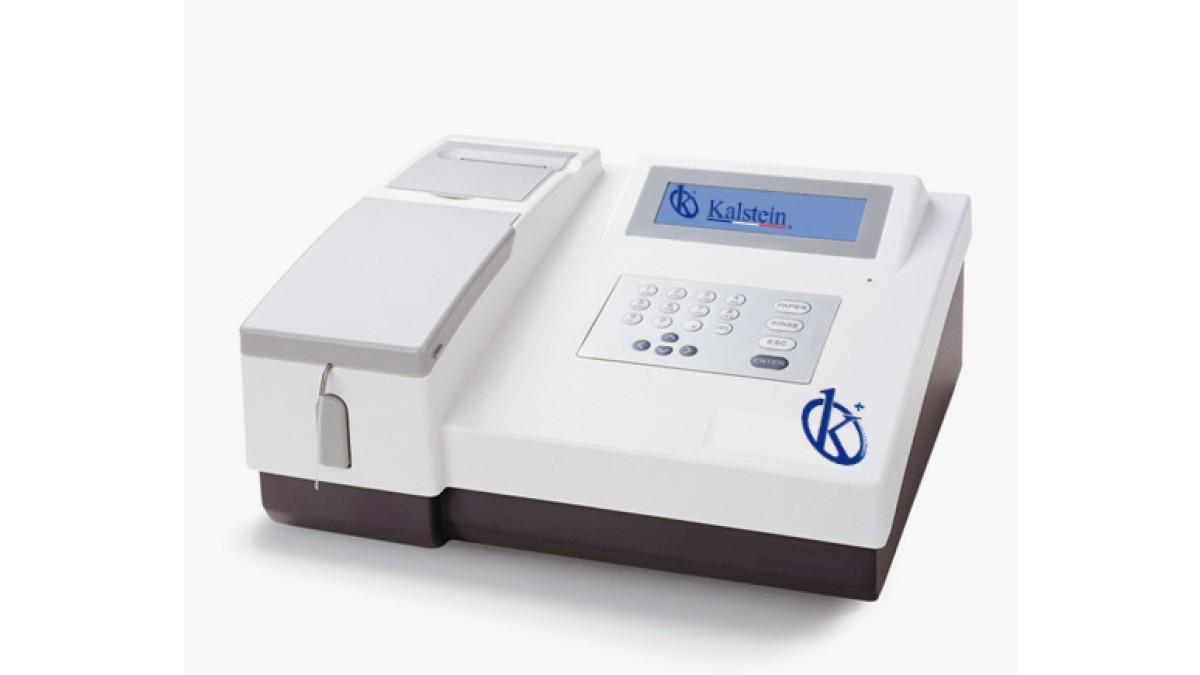
Chemical Analyzers: Practical Applications and Techniques 2026
Chemical Analyzers have become essential tools in modern laboratories, offering precise and efficient analysis of chemical substances. This article delves into the practical applications of these analyzers in research, biotechnology, and academic settings, with a focus on best practices and techniques for 2026.
What is it used for in 2026
In 2026, Chemical Analyzers are widely used across various fields including clinical diagnostics, pharmaceutical research, environmental testing, and quality control in manufacturing. These devices enable laboratory professionals to perform a range of tests, analyzing blood, urine, and other samples to aid in diagnostics, track disease progression, and ensure product quality. By automating processes, they enhance accuracy and efficiency, reducing the time required for analysis and enabling rapid decision-making.
History and evolution of the technology
The evolution of Chemical Analyzers can be traced back to the early 20th century when colorimetric techniques first emerged. Over the decades, technological advancements integrated automation and digital technologies, leading to the development of semi-automatic and fully automatic analyzers. The introduction of microprocessors and sophisticated software has further enhanced their capabilities, allowing for real-time data analysis and remote operation. Today, Chemical Analyzers feature advanced optics and digital interfaces that streamline laboratory workflows.
How to use it step by step
Using a Chemical Analyzer involves several key steps. Here is a simplified guide:
- Preparation: Ensure that the analyzer is calibrated and cleaned. Gather all necessary samples and reagents.
- Sample Loading: Load the samples into the analyzer according to the manufacturer's guidelines. Make sure the correct cuvettes or flow cells are used.
- Setting Parameters: Input the test parameters, including wavelengths and measurement types, based on the specific analysis being conducted.
- Running the Analysis: Initiate the analysis process. Monitor the progress through the display interface.
- Data Interpretation: Once the analysis is complete, interpret the data produced. Utilize software if available for detailed analysis.
- Documentation: Document the results and ensure they are stored in compliance with laboratory protocols.
Best techniques and protocols
To optimize the use of Chemical Analyzers, laboratory professionals should adhere to the following best techniques and protocols:
- Regular Calibration: Calibrate the analyzer frequently to maintain accuracy.
- Use Quality Reagents: Always use high-quality reagents and consumables to reduce variability in results.
- Standard Operating Procedures (SOPs): Develop and follow SOPs for each analysis type to ensure consistency.
- Routine Maintenance: Conduct regular maintenance checks to identify and resolve any potential issues.
- Data Management: Implement robust data management practices to secure and retrieve results efficiently.
Practical applications by laboratory type
Chemical Analyzers find practical applications in various laboratory types:
- Clinical Laboratories: Used for routine blood and urine tests, enabling quick diagnostics and patient monitoring.
- Research Laboratories: Essential for pharmaceutical research, allowing analysis of drug formulations and testing.
- Environmental Laboratories: Employed to analyze water and soil samples for pollutants and chemical contaminants.
- Industrial Laboratories: Used in quality control processes to ensure product specifications are met.
Regulations, standards and certifications
In 2026, compliance with regulations and standards is critical for laboratories using Chemical Analyzers. Laboratories must adhere to ISO standards related to quality management systems and specific ISO/IEC guidelines for laboratory testing. Certifications like CLIA for clinical labs and GMP for manufacturing processes must be followed to maintain operational integrity and ensure the reliability of analytical results.
Comparison with alternative technologies
While Chemical Analyzers are widely used, there are alternative technologies such as Spectrophotometers, Chromatography systems, and Mass Spectrometry. Each alternative has its strengths:
- Spectrophotometers: Best for measuring light absorbance across specific wavelengths, but limited in automation.
- Chromatography: Effective for separating complex mixtures, though typically requiring more user intervention.
- Mass Spectrometry: Provides detailed molecular information and is highly sensitive, though more complex and expensive to operate.
Comparison of available models
| Model | Best for | Key specs | Recommended use case |
|---|---|---|---|
| YR05115 | Semi-automatic analyses | 5-inch color LCD, up to 4.500 Abs, 7 wavelengths | Routine clinical tests |
| YR05114 | Semi-automatic analyses | 5-inch color LCD, up to 4.500 Abs, 5 wavelengths | Biochemical tests |
| YR06092 | Portable analysis | Temperature adjustable to 45℃, compact design | Field testing |
| YR06075 | High throughput | 560 tests/hour, 12 wavelengths | High-demand environments |
| YR05116 | Semi-automatic analyses | Windows OS, continuous wavelength adjustment | Advanced biochemical analysis |
| YR06078 | Semi-automatic analyses | 7 wavelengths, up to 10,000 results storage | Routine and specific testing |
Common mistakes and how to avoid them
Laboratory professionals often encounter several common mistakes when using Chemical Analyzers. Here are tips to avoid them:
- Improper Calibration: Ensure regular calibration as per the manufacturer's instructions.
- Ignoring Maintenance: Schedule routine maintenance checks to prevent breakdowns.
- Not Following Protocols: Adhere to established protocols to ensure consistency in results.
- Data Mismanagement: Implement a reliable data management system to prevent loss of results.
Maintenance, calibration and good practices 2026
Effective maintenance of Chemical Analyzers in 2026 involves regular calibration, cleaning, and checking of all components. Calibration should be performed using certified standards, and the analyzer should be cleaned using appropriate solutions to prevent cross-contamination. Good laboratory practices include documenting all maintenance activities, training users on operational protocols, and performing regular data audits to ensure accuracy.
Cost-benefit analysis 2026
Conducting a cost-benefit analysis of Chemical Analyzers in 2026 involves evaluating the initial purchase costs against the potential benefits. Consider factors such as time savings due to automation, reduced error rates, and improved throughput. While the upfront investment can be substantial, the long-term savings in labor and material costs, along with enhanced accuracy and efficiency, often justify the expense.
Frequently asked questions
What should I consider when choosing a Chemical Analyzer?
Consider factors such as the types of tests you will perform, the required throughput, compatibility with reagents, and ease of use. It's also important to evaluate support and training options from the manufacturer.
How can I ensure accurate results from my Chemical Analyzer?
To ensure accurate results, it is crucial to calibrate the analyzer regularly, use quality reagents, and adhere to established protocols. Maintain clean equipment and regularly validate results against known standards.
What are the common challenges faced when using Chemical Analyzers?
Common challenges include calibration errors, reagent quality issues, and user training deficiencies. Regular maintenance and proper training can help mitigate these challenges.
How do I properly maintain my Chemical Analyzer?
Proper maintenance involves regular cleaning, calibration, and inspection of components. Document all maintenance activities and follow the manufacturer's guidelines for specific maintenance intervals.
Can I use Chemical Analyzers for various types of samples?
Yes, many Chemical Analyzers are designed to handle a variety of sample types, including blood, urine, and environmental samples. Ensure that the model you select is suitable for the specific types of analyses required.
How do I interpret the results from a Chemical Analyzer?
Results from a Chemical Analyzer can be interpreted using built-in software that generates reports. It is essential to understand the metrics being reported, such as absorbance values, and compare them against established reference ranges.
Where can I get a quote for a Chemical Analyzer?
For a customized quote on Chemical Analyzers, it is advisable to request directly from manufacturers or authorized distributors. This way, you can ensure you receive detailed information tailored to your laboratory's needs.
If you are looking for a fusion of innovation and quality, you have come to the right place. At Kalstein, we offer you the luxury of exploring our exclusive catalog of laboratory equipment. We manufacture every device to the highest standards of excellence. Our intuitive and seamless online purchasing channels are designed for your convenience, securing the most competitive prices. Hesitate no longer — we bring science to life, it is time to become part of our community.