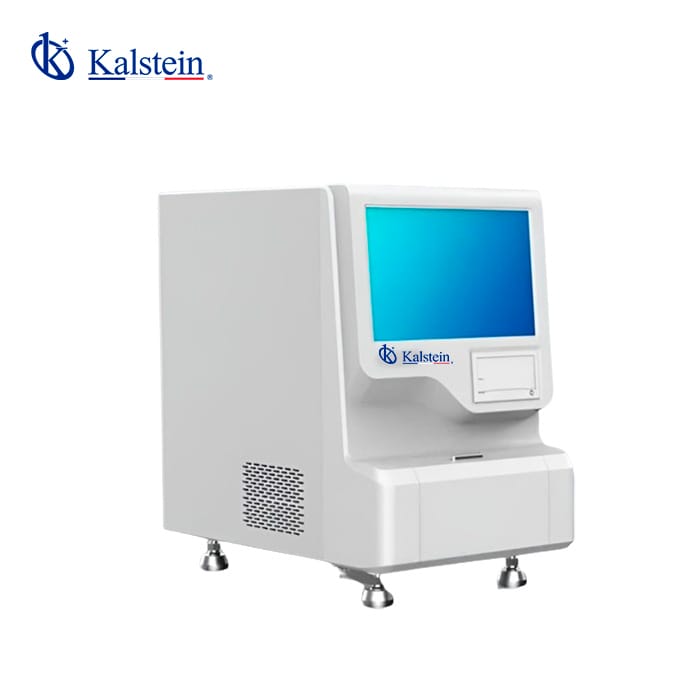
Chemiluminescence Immunoassay Analyzers: Practical Applications and Techniques 2026
What is it used for in 2026
Chemiluminescence Immunoassay Analyzers (CIAs) are pivotal in clinical diagnostics, providing rapid and precise immunoassay results. In 2026, these analyzers are utilized extensively for disease detection, hormone level measurement, and therapeutic drug monitoring. Their high sensitivity and specificity make them essential for various laboratory environments, including hospitals and outpatient clinics, enabling timely patient management and treatment decisions.
History and evolution of the technology
The evolution of Chemiluminescence Immunoassay Analyzers can be traced back to the early 1980s when the first immunoassays utilizing luminescent labels were developed. Over the years, advancements in technology have led to increased automation, enhanced detection techniques, and improved assay sensitivity. Today, state-of-the-art CIAs integrate various methodologies, such as CLEIA and magnetic separation, to optimize performance and provide reliable results across a broad range of clinical applications.
How to use it step by step
Using a Chemiluminescence Immunoassay Analyzer typically involves the following steps:
- Sample Preparation: Collect and prepare biological samples such as serum, plasma, or whole blood according to the specific assay requirements.
- Assay Setup: Choose the appropriate assay kit and configure the analyzer settings, including sample volume and test parameters.
- Loading Samples: Load the prepared samples into the analyzer, ensuring proper identification and tracking for accurate results.
- Running the Assay: Initiate the assay run, allowing the analyzer to perform the necessary steps including incubation, washing, and detection.
- Data Interpretation: Once the assay is complete, review and interpret the results displayed on the analyzer. Ensure results are validated and documented per laboratory protocols.
Best techniques and protocols
To ensure optimal performance and reliability of Chemiluminescence Immunoassay Analyzers, it's essential to follow established protocols:
- Calibration: Regularly calibrate the analyzer using standard reference materials to maintain accuracy.
- Quality Control: Implement quality control measures, including running control samples alongside patient samples to verify the accuracy of results.
- Assay Validation: Validate new assays before introducing them into routine use to confirm their performance characteristics.
- Training: Ensure all laboratory personnel are adequately trained on the specific CIAs in use, including operational procedures and troubleshooting methods.
Practical applications by laboratory type
Different types of laboratories leverage Chemiluminescence Immunoassay Analyzers for various applications:
- Clinical Laboratories: Used for routine tests such as hormone levels, infectious disease screening, and tumor markers.
- Emergency Departments: Rapid testing for critical markers to aid in quick diagnosis and treatment decisions.
- Outpatient Clinics: Essential for point-of-care testing, enabling immediate feedback and treatment adjustments.
Regulations, standards and certifications
Chemiluminescence Immunoassay Analyzers must comply with regulatory standards established by organizations such as the FDA and ISO. Laboratories should ensure that their analyzers meet these standards for safety, accuracy, and reliability. Regular audits and certifications also ensure laboratories maintain compliance with best practices in laboratory management.
Comparison with alternative technologies
When comparing Chemiluminescence Immunoassay Analyzers to alternative technologies such as Enzyme-Linked Immunosorbent Assay (ELISA) and Radioimmunoassay (RIA), several factors come into play:
- Speed: CIAs typically provide faster results than ELISA and RIA, making them ideal for high-throughput testing environments.
- Sensitivity: CIAs often exhibit higher sensitivity and lower limits of detection compared to traditional methods.
- Automation: CIAs are generally more automated, reducing manual intervention and minimizing human error.
Comparison of available models
| Model | Best for | Key specs | Recommended use case |
|---|---|---|---|
| YR06387 | High-throughput testing | Weight: 45 kg, Dimensions: 320 mm x 550 mm x 550 mm, Price: $3500 | Clinical settings requiring flexibility and speed |
| YR06388 | Emergency testing | Weight: 55 kg, Dimensions: 520 mm x 550 mm x 550 mm, Price: $5000 | Hospitals needing rapid and accurate results |
| YR06389 | Outpatient testing | Speed: 120T/h, Results: 15 minutes, Price: $9000 | Urgent care facilities |
| YR06390 | Comprehensive testing | Speed: 220T/h, Results: 15 minutes, Price: $15000 | Laboratories with high sample volume |
| YR06710 | Compact solutions | Weight: Compact, Price: $109 | Small clinics or emergency units |
Common mistakes and how to avoid them
Common mistakes in using Chemiluminescence Immunoassay Analyzers include:
- Improper Sample Handling: Ensure samples are handled and stored correctly to avoid degradation.
- Inconsistent Calibration: Regularly calibrate the analyzer to maintain accuracy.
- Lack of Quality Control: Implement a routine quality control program to ensure reliable results.
Maintenance, calibration and good practices 2026
Proper maintenance and calibration of Chemiluminescence Immunoassay Analyzers are crucial:
- Daily Maintenance: Clean the analyzer components and check for any wear or malfunction.
- Calibration Schedule: Establish and adhere to a calibration schedule based on manufacturer recommendations.
- Documentation: Maintain detailed records of calibration and maintenance activities for compliance and traceability.
Cost-benefit analysis 2026
Performing a cost-benefit analysis for Chemiluminescence Immunoassay Analyzers involves evaluating the initial investment against potential savings from increased efficiency and reduced turnaround times. While upfront costs can be significant, the long-term value in terms of improved patient outcomes, reduced labor costs, and faster diagnosis often justifies the investment.
Frequently asked questions
What are the main advantages of using Chemiluminescence Immunoassay Analyzers?
The main advantages include high sensitivity, rapid test results, and the ability to perform multiple tests simultaneously, making them ideal for busy clinical environments.
How do I choose the right Chemiluminescence Immunoassay Analyzer for my laboratory?
Consider factors such as the volume of tests you conduct, required sensitivity, available space, and your budget when selecting an analyzer.
What training is necessary for the personnel operating Chemiluminescence Immunoassay Analyzers?
Operators should be trained on the specific analyzer's operation, routine maintenance, troubleshooting, and quality control measures to ensure accurate results.
How often should I calibrate my Chemiluminescence Immunoassay Analyzer?
Calibration frequency depends on the manufacturer's recommendations, but routine calibration is typically advised at least once a month or before major testing periods.
What types of samples can be analyzed with Chemiluminescence Immunoassay Analyzers?
These analyzers are compatible with various sample types, including serum, plasma, and whole blood, depending on the specific assay requirements.
Can Chemiluminescence Immunoassay Analyzers be used for point-of-care testing?
Yes, many modern Chemiluminescence Immunoassay Analyzers are designed for point-of-care testing, providing quick and accurate results in emergency and outpatient settings.
If you are looking for a fusion of innovation and quality, you have come to the right place. At Kalstein, we offer you the luxury of exploring our exclusive catalog of laboratory equipment. We manufacture every device to the highest standards of excellence. Our intuitive and seamless online purchasing channels are designed for your convenience, securing the most competitive prices. Hesitate no longer — we bring science to life, it is time to become part of our community.