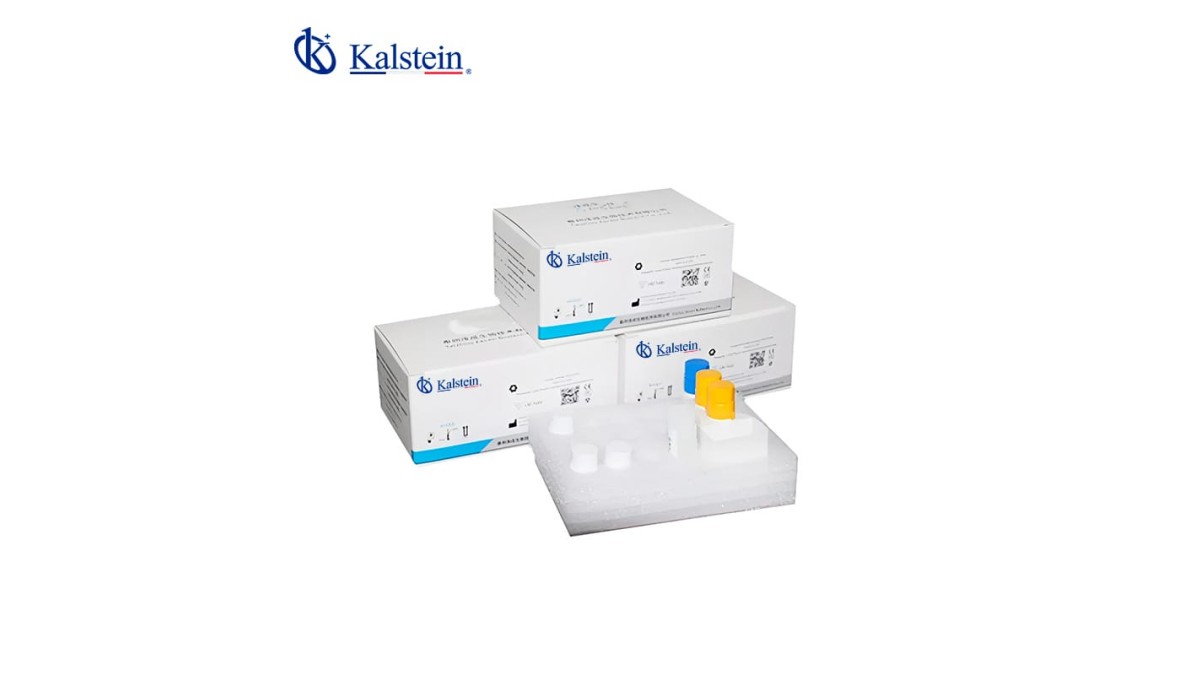
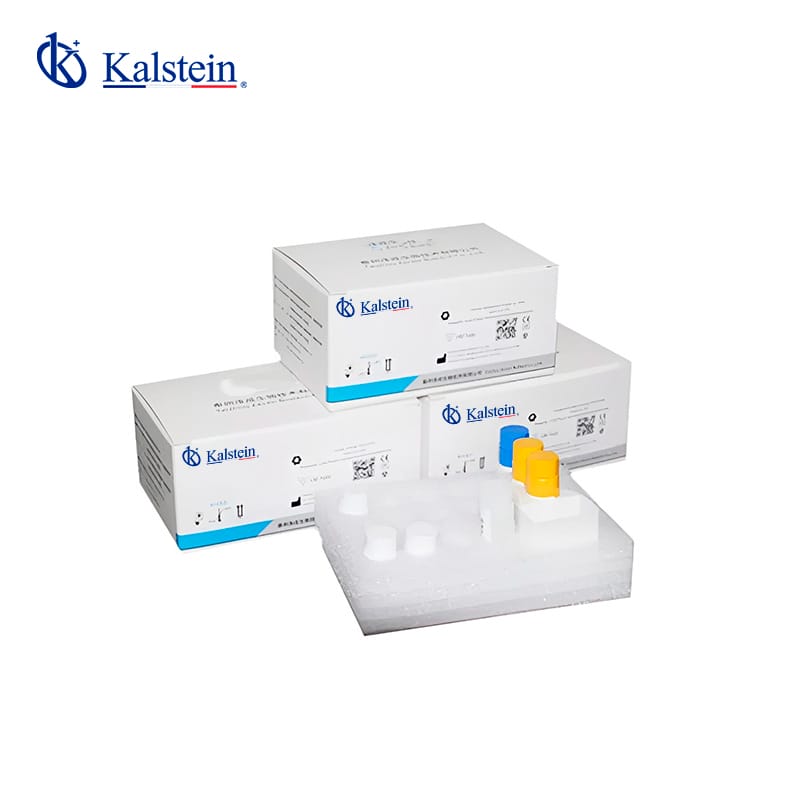
Chemiluminescence Reagents: Practical Applications and Techniques 2026
What is it used for in 2026
Chemiluminescence reagents are utilized in various laboratory settings for the detection and quantification of biological markers. These reagents are particularly vital in immunoassays, where they facilitate the measurement of hormones, proteins, and other molecules in a sample through light emission. In 2026, chemiluminescent assays continue to be favored due to their high sensitivity and specificity, making them essential for diagnosing diseases, including thyroid disorders and other endocrine system abnormalities.
History and evolution of the technology
The technology of chemiluminescence has evolved significantly since its inception. Initially, chemiluminescent reactions were observed in nature, such as in fireflies. The application of this phenomenon in laboratory diagnostics began in the late 20th century, with the introduction of various reagents that could emit light upon reaction with target analytes. Over the years, advancements in the understanding of chemiluminescent mechanisms and the development of more stable reagents have enhanced the reliability and accuracy of tests, paving the way for widespread use in clinical laboratories worldwide.
How to use it step by step
Using chemiluminescence reagents involves several steps:
- Sample Preparation: Ensure that the biological sample is properly collected and processed. This may involve centrifugation or dilution based on the assay requirements.
- Reagent Addition: Add the specific chemiluminescent reagent to the prepared sample according to the manufacturer’s instructions.
- Incubation: Allow the mixture to incubate for the recommended time to facilitate the reaction between the target analyte and the reagent.
- Detection: Use a chemiluminescence reader to measure the emitted light, which is proportional to the concentration of the analyte.
- Data Analysis: Analyze the data obtained, comparing it against standard curves to quantify the results.
Best techniques and protocols
Implementing best practices in using chemiluminescence reagents ensures optimal results. Key techniques include:
- Calibrating the detection instruments regularly for precise measurements.
- Using appropriate controls and standards within each assay run.
- Following strict protocols for sample handling to avoid contamination.
- Ensuring reagents are stored correctly to maintain their stability and effectiveness.
Practical applications by laboratory type
Chemiluminescence reagents find application across various laboratory environments:
- Clinical Laboratories: Commonly used for hormone level testing, disease marker detection, and immune response assessments.
- Research Laboratories: Employed in studies involving protein interactions, gene expression, and molecular biology.
- Forensic Laboratories: Utilized for analyzing biological samples in criminal investigations, particularly in toxicology.
Regulations, standards and certifications
In 2026, laboratories using chemiluminescence reagents must adhere to strict regulations and standards to ensure safety and quality. These include:
- ISO 13485 for medical devices, ensuring quality management systems are in place.
- CE marking for compliance with European health, safety, and environmental protection standards.
- Regular audits and compliance checks to maintain laboratory certifications and accreditations.
Comparison with alternative technologies
Chemiluminescence reagents are often compared with other detection technologies such as fluorescence and enzyme-linked immunosorbent assays (ELISA). Key differences include:
- Chemiluminescence typically offers higher sensitivity than fluorescence methods.
- ELISA is widely used but can be more time-consuming compared to rapid chemiluminescent assays.
- The stability of chemiluminescent reagents can be advantageous over fluorescent dyes, which may degrade over time.
Comparison of available models
| Model | Best for | Key specs | Recommended use case |
|---|---|---|---|
| YRA279 | Thyroid function tests | Price: $15.00 | Assessing TSH levels in patients |
| YRA280 | Thyroid function tests | Price: $15.00 | Evaluating FT4 and TT4 concentrations |
| YRA281 | Thyroid function tests | Price: $15.00 | Detecting TT3 and FT3 levels |
| YRA282 | Thyroid function tests | Price: $15.00 | Monitoring TGAb and TPOAb |
| YRA283 | Thyroid function tests | Price: $15.00 | Assessing TRAb levels |
| YRA284 | Thyroid function tests | Price: $35.00 | Comprehensive thyroid profiling |
Common mistakes and how to avoid them
Common pitfalls in using chemiluminescence reagents include:
- Not calibrating equipment regularly, leading to inaccurate results.
- Inadequate sample preparation, which can affect assay performance.
- Using expired reagents, resulting in unreliable outcomes.
To avoid these mistakes, implement rigorous quality control measures and maintain an organized inventory of reagents.
Maintenance, calibration and good practices 2026
Regular maintenance and calibration of laboratory equipment are crucial for ensuring the accuracy of chemiluminescence assays. Key practices include:
- Performing routine checks on reagent stability and storage conditions.
- Calibrating detection instruments before each use, following specific guidelines.
- Documenting all maintenance activities to ensure compliance and traceability.
Cost-benefit analysis 2026
When considering chemiluminescence reagents, it’s essential to evaluate the cost versus the benefits:
- Cost: Initial investment in reagents and equipment can be high, but the long-term benefits often outweigh these costs.
- Benefits: High sensitivity and quick turnaround times for results can lead to better patient outcomes and more efficient laboratory workflows.
Frequently asked questions
What are the key advantages of using chemiluminescence reagents?
Chemiluminescence reagents offer high sensitivity, specificity, and speed in detecting biological markers, making them ideal for clinical diagnostics and research applications.
How do I choose the right chemiluminescence reagent for my laboratory?
Select the reagent based on the specific analyte you wish to measure, considering factors such as sensitivity, required sample type, and assay time.
What maintenance practices should I follow for chemiluminescence reagents?
Regularly check the expiration dates, store reagents under recommended conditions, and calibrate equipment frequently to ensure reliable assay performance.
What are common mistakes when using chemiluminescence assays?
Common mistakes include using expired reagents, improper sample handling, and inadequate calibration of detection equipment. Ensuring adherence to protocols can help mitigate these issues.
Can chemiluminescence reagents be used in research laboratories?
Yes, chemiluminescent assays are widely used in research laboratories for studying various biological processes, including protein interactions and molecular biology experiments.
What are the regulatory requirements for using chemiluminescence reagents?
Laboratories must adhere to regulations such as ISO 13485 and CE marking, ensuring quality management systems and compliance with safety standards.
If you are looking for a fusion of innovation and quality, you have come to the right place. At Kalstein, we offer you the luxury of exploring our exclusive catalog of laboratory equipment. We manufacture every device to the highest standards of excellence. Our intuitive and seamless online purchasing channels are designed for your convenience, securing the most competitive prices. Hesitate no longer — we bring science to life, it is time to become part of our community.