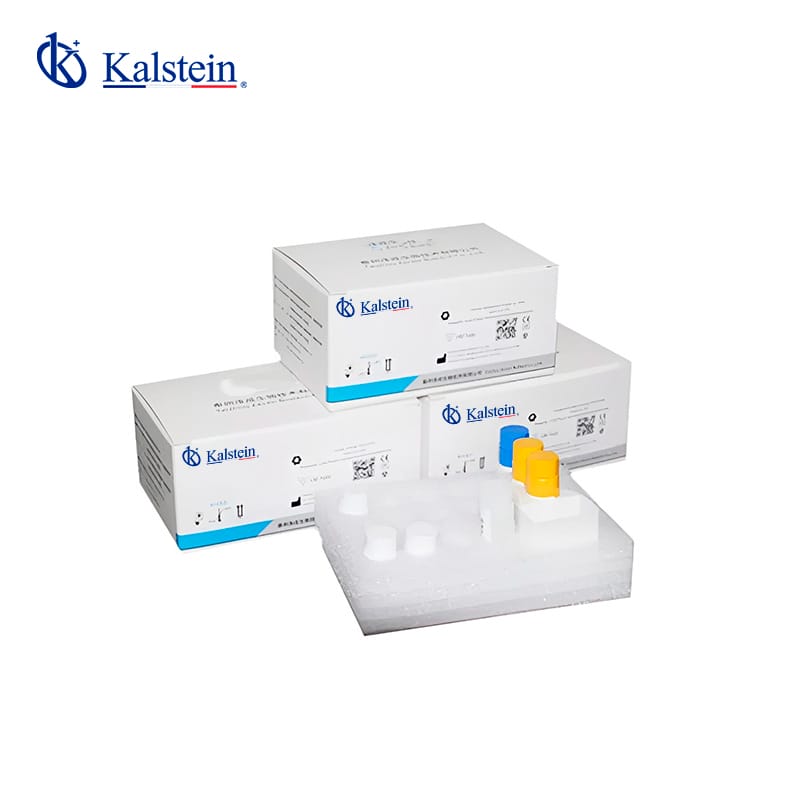
Chemiluminescence Reagents: Predictive Maintenance and Recommended Calibration in 2026
Chemiluminescence reagents are vital tools in modern laboratories, especially in the field of immunoassays. The importance of predictive maintenance and periodic calibration cannot be overstated, as these practices directly influence the reliability and accuracy of test results. As laboratories strive for greater efficiency and compliance with industry standards, understanding the nuances of maintenance and calibration of chemiluminescence reagents becomes essential for laboratory professionals.
Understanding Predictive Maintenance in Chemiluminescence Reagents
Predictive maintenance involves monitoring equipment to predict failures before they occur. In the realm of chemiluminescence reagents, implementing a predictive maintenance program can significantly reduce downtime and increase the reliability of results. By analyzing performance data and identifying patterns, laboratories can schedule maintenance before issues arise, ensuring continuous operation and accuracy of tests.
Importance of Periodic Calibration
Periodic calibration is critical for ensuring that chemiluminescence reagents yield accurate and consistent results. Regular calibration helps in meeting compliance standards, enhancing laboratory productivity, and maintaining high-quality testing environments. It is essential to establish a calibration schedule based on manufacturer recommendations and specific laboratory requirements.
Calibration Intervals for Chemiluminescence Reagents
Calibration intervals may vary depending on usage, but generally, chemiluminescence reagents should be calibrated at least every 6 months. However, more frequent calibration may be necessary in high-use scenarios or when environmental conditions change. Developing a calibration plan that includes regular checks can help maintain optimal performance.
Common Calibration Standards
Calibration should be performed using traceable standards to ensure accuracy. Standards used should be certified according to ISO 17025 or similar regulations. The use of proper calibration standards not only ensures compliance but also enhances the credibility of test results.
Failure Modes and Maintenance Strategies
Understanding potential failure modes is crucial for effective predictive maintenance. Common failure modes in chemiluminescence reagents can include decreased sensitivity, reagent degradation, and equipment malfunctions. Implementing a thorough maintenance strategy that addresses these potential failures can enhance overall laboratory performance.
Key Performance Indicators for Maintenance Programs
Key Performance Indicators (KPIs) such as Mean Time Between Failures (MTBF) and Mean Time To Repair (MTTR) are essential for measuring the effectiveness of maintenance programs. Tracking these metrics allows laboratories to optimize maintenance schedules and improve overall equipment reliability.
Comparison of Available Models
| Model | Test Parameters | Calibration Points | Best For | Price (USD) |
|---|---|---|---|---|
| YRA279 | TSH, TT3, TT4, FT3, FT4, TFAb, TPOAb, TRAb | 2/6 Points | General Thyroid Function Testing | 15.00 |
| YRA280 | TSH, TT3, TT4, FT3, FT4, TFAb, TPOAb, TRAb | 2/6 Points | General Thyroid Function Testing | 15.00 |
| YRA281 | TSH, TT3, TT4, FT3, FT4, TFAb, TPOAb, TRAb | 2/6 Points | General Thyroid Function Testing | 15.00 |
| YRA282 | TSH, TT3, TT4, FT3, FT4, TFAb, TPOAb, TRAb | 2/6 Points | General Thyroid Function Testing | 15.00 |
| YRA283 | TSH, TT3, TT4, FT3, FT4, TFAb, TPOAb, TRAb | 2/6 Points | General Thyroid Function Testing | 15.00 |
| YRA284 | TSH, TT3, TT4, FT3, FT4, TFAb, TPOAb, TRAb | 2/6 Points | General Thyroid Function Testing | 35.00 |
Common Mistakes and How to Avoid Them
Laboratories often overlook the significance of maintaining a proper calibration schedule, which can lead to inaccurate results. Another common mistake is using unverified calibration standards. To avoid these pitfalls, it is crucial to establish a protocol for regular maintenance and to utilize only certified standards for calibration.
Frequently Asked Questions
What is the recommended calibration frequency for chemiluminescence reagents in 2026?
Calibration frequency for chemiluminescence reagents should be at least every 6 months, depending on usage. Models such as YRA279 offer insights into consistent performance when calibrated regularly.
How does predictive maintenance impact chemiluminescence reagent performance?
Predictive maintenance helps anticipate failures and schedule timely upkeep, ensuring that chemiluminescence reagents like YRA280 perform accurately and reliably, ultimately enhancing laboratory efficiency.
Which standards should be used for calibrating chemiluminescence reagents?
Calibration should utilize traceable standards compliant with ISO 17025 to ensure accuracy. This compliance applies to chemiluminescence reagents such as YRA281 for maintaining consistent testing results.
What are the key performance indicators for chemiluminescence reagent maintenance?
Key performance indicators include Mean Time Between Failures (MTBF) and Mean Time To Repair (MTTR). Tracking these indicators can optimize maintenance schedules for reagents like YRA282.
How can laboratories prevent calibration errors in 2026?
To prevent calibration errors, laboratories should adhere to strict protocols and utilize certified standards. Regular checks on models like YRA283 also ensure compliance and result accuracy.
What are common failure modes in chemiluminescence reagents?
Common failure modes include loss of sensitivity and reagent degradation. Understanding these modes helps in implementing preventative strategies for models such as YRA284.
How does calibration affect the results of chemiluminescence tests?
Calibration directly affects the accuracy of test results; regular calibration of reagents like YRA279 ensures that the data produced in tests is both reliable and consistent.
What impact does environmental condition have on chemiluminescence reagent maintenance?
Environmental conditions can significantly affect reagent performance; hence, maintaining optimal conditions and ensuring regular calibration of models like YRA280 is essential for reliability.
If you are looking for a fusion of innovation and quality, you have come to the right place. At Kalstein, we offer you the luxury of exploring our exclusive catalog of laboratory equipment. We manufacture every device to the highest standards of excellence. Our intuitive and seamless online purchasing channels are designed for your convenience, securing the most competitive prices. Hesitate no longer — we bring science to life, it is time to become part of our community.