Chest Freezers: Best Techniques and Protocols in 2026
What is it used for in 2026
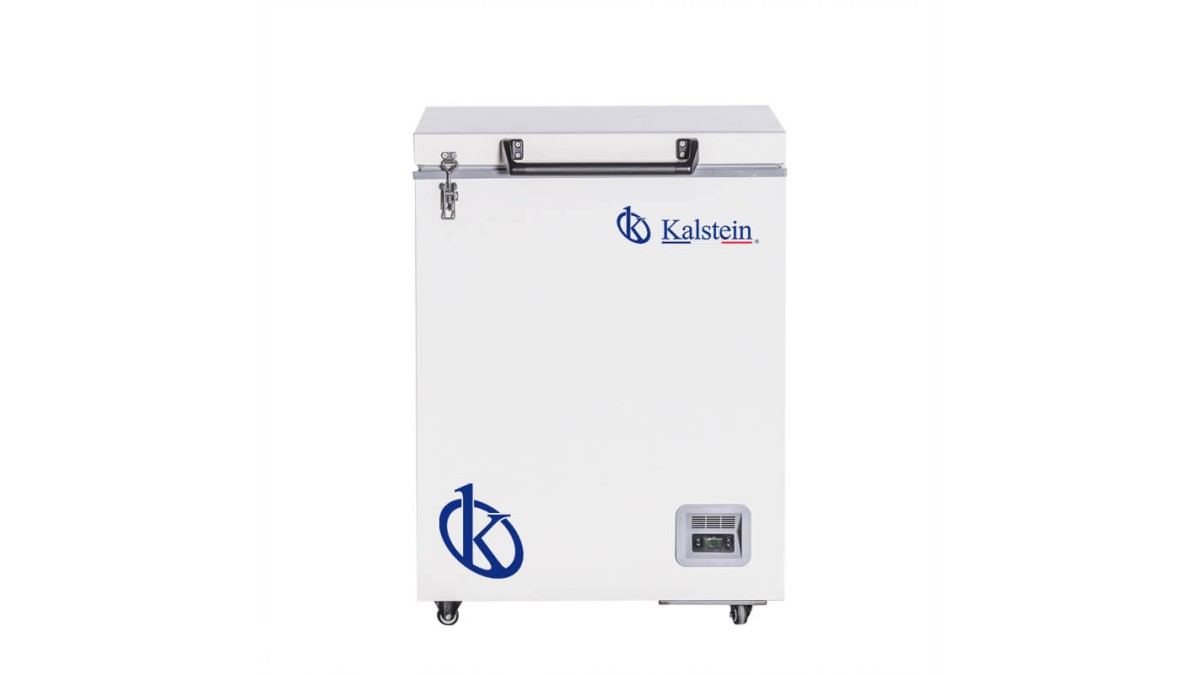
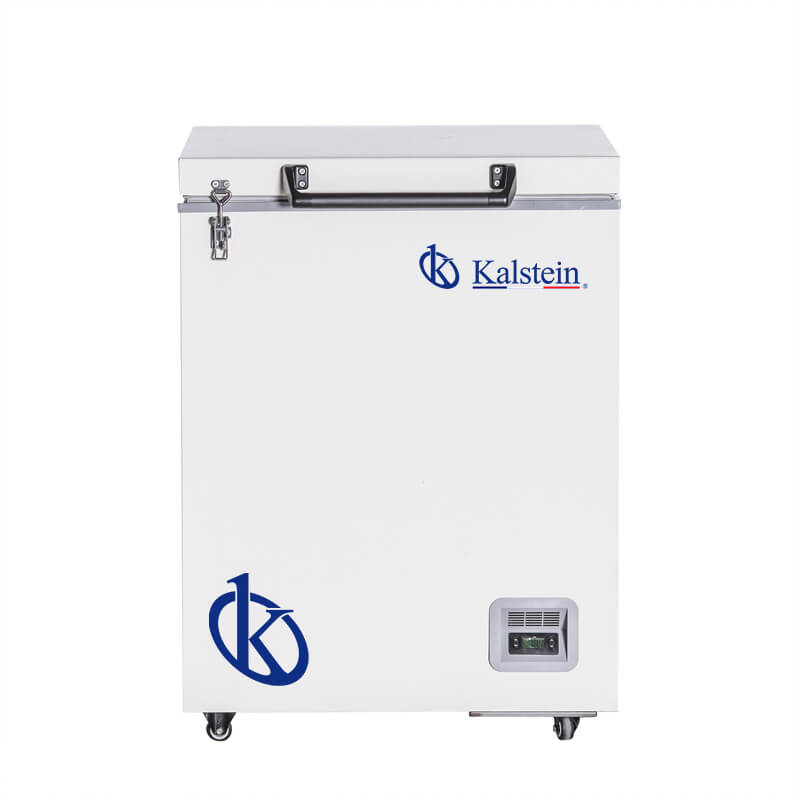
In laboratories, chest freezers are essential for the storage of sensitive materials that require long-term preservation at low temperatures. In 2026, these freezers are utilized for storing biological samples, vaccines, and other critical materials that necessitate consistent temperature control. Their design allows for maximized storage space while ensuring that the items stored are kept uniformly cold and secure against environmental fluctuations.
History and evolution of the technology
The concept of freezing for preservation dates back to ancient civilizations, but modern chest freezers have evolved significantly since their inception in the mid-20th century. Initially, these appliances were bulky and energy inefficient, but advancements in refrigeration technology have led to the development of more efficient, compact, and environmentally friendly models. Over the years, innovations such as microprocessor controls, improved insulation, and the use of non-CFC refrigerants have enhanced the functionality and efficiency of chest freezers.
How to use it step by step
- Installation: Place the chest freezer in a well-ventilated area to ensure optimal operation.
- Temperature Settings: Set the temperature according to the material you wish to preserve, generally between -20°C and -86°C, depending on the model.
- Loading: Organize samples in airtight containers or bags and ensure they are at room temperature before placing them in the freezer.
- Monitoring: Regularly check the digital display for temperature fluctuations and ensure alarm systems are functioning.
- Maintenance: Perform routine cleaning and check seals for integrity to maintain efficiency.
Best techniques and protocols
When utilizing chest freezers, it is vital to follow best practices to ensure product integrity. Here are some recommended techniques:
- Label all samples clearly with dates and contents for easy identification.
- Avoid overloading the freezer, as this can impede air circulation and lead to temperature inconsistencies.
- Regularly calibrate thermometers and sensors to ensure accuracy.
- Implement a systematic inventory management approach to track stored materials effectively.
Practical applications by laboratory type
Different laboratories use chest freezers based on their unique needs:
- Research Laboratories: Store biological specimens and chemical reagents.
- Clinical Laboratories: Preserve vaccines and blood products for transfusions.
- Pharmaceutical Laboratories: Maintain temperature-sensitive drug formulations.
- Biotechnology Firms: Secure genetically modified organisms and cultures.
Regulations, standards and certifications
Laboratories must adhere to strict safety and quality standards when using chest freezers. Common regulations include:
- ISO certifications for quality management.
- FDA guidelines for storing pharmaceuticals and biological products.
- OSHA regulations for workplace safety in laboratories.
Comparison with alternative technologies
Chest freezers are often compared to other cooling solutions such as upright freezers and cryogenic storage systems. While upright freezers offer easier access, chest freezers provide more superior temperature stability over larger volumes. Cryogenic storage, while effective for extreme temperatures, may involve higher costs and complex handling procedures.
Comparison of available models
| Model | Best for | Key specs | Recommended use case |
|---|---|---|---|
| YR05102 | General laboratory use | Temperature range: -10 to -40 °C, Energy consumption: 1.65 kWh/23h | Perfect for storing common laboratory reagents and samples. |
| YR05103 | Medium-scale storage | Temperature range: -10 to -40 °C, Energy consumption: 1.68 kWh/23h | Ideal for research laboratories needing reliable storage. |
| YR05104 | Large-scale storage | Temperature range: -20 to -40 °C, Energy consumption: 3.45 kWh/23h | Best for facilities with extensive inventory of biological materials. |
| YR05314 | Ultra-low temperature needs | Temperature range: -40 to -86 °C, Energy consumption: 11.5 kWh/24h | Ideal for storing sensitive biological samples. |
| YR05313 | Small-scale ultra-low storage | Temperature range: -40 to -86 °C, Energy consumption: 3.8 kWh/24h | Perfect for small labs needing ultra-low storage solutions. |
| YR05315 | Biomedical applications | Temperature range: -25 to -60 °C, Energy consumption: 3.2 kWh/24h | Best suited for laboratories focusing on biomedical research. |
Common mistakes and how to avoid them
Laboratory professionals often make mistakes when using chest freezers. Common pitfalls include:
- Ignoring temperature alarms can lead to sample degradation.
- Failing to maintain cleanliness can cause contamination.
- Not organizing samples properly can lead to loss or waste.
Maintenance, calibration and good practices 2026
To ensure optimal performance of chest freezers:
- Schedule regular maintenance checks to identify any potential issues.
- Calibrate temperature sensors monthly to ensure accuracy.
- Keep the door seals clean to maintain energy efficiency.
- Document all maintenance activities for compliance purposes.
Cost-benefit analysis 2026
Investing in a chest freezer can yield significant long-term benefits for laboratories. While the initial costs may be substantial, the enhanced preservation of samples, reduced waste, and improved efficiency can justify the expense. In 2026, the market offers a variety of models to suit different budgets, making it essential to evaluate your laboratory's specific needs to choose the right model.
Frequently asked questions
How do I choose the right chest freezer for my laboratory?
Consider your laboratory's specific needs, including the types of materials you store, the volume of samples, and temperature requirements. Look for models that offer the best temperature range and energy efficiency.
What temperature should I set my chest freezer for biological samples?
For most biological samples, a temperature between -20°C and -80°C is recommended, depending on the specific requirements of the samples being stored.
How often should I perform maintenance on my chest freezer?
Regular maintenance checks should be carried out at least every six months, with additional checks before and after peak usage periods.
Can I store different types of samples in the same chest freezer?
Yes, but it is advisable to segregate samples according to their storage requirements and ensure that container sealing is robust to avoid cross-contamination.
What should I do if my chest freezer alarm goes off?
Immediately check the temperature and condition of the samples. Investigate the cause of the alarm and take necessary actions to resolve the issue. Monitor the situation closely until normal conditions return.
Are there any certifications I need for using a chest freezer?
Yes, ensure compliance with relevant ISO and FDA regulations for laboratory equipment, particularly concerning temperature control and safety.
If you are looking for a fusion of innovation and quality, you have come to the right place. At Kalstein, we offer you the luxury of exploring our exclusive catalog of laboratory equipment. We manufacture every device to the highest standards of excellence. Our intuitive and seamless online purchasing channels are designed for your convenience, securing the most competitive prices. Hesitate no longer — we bring science to life, it is time to become part of our community.