How to Choose Brix Refractometers for Energy Sustainability and Environmental Impact Reduction
In today's laboratory environment, the focus on energy sustainability and minimizing environmental impact has become crucial. Brix refractometers play a significant role in various applications, including agriculture, food production, and brewing, where monitoring sugar levels is essential. This article will guide lab professionals in selecting the appropriate models while emphasizing their contributions to energy efficiency and sustainability.
Understanding Brix Refractometers and Their Importance
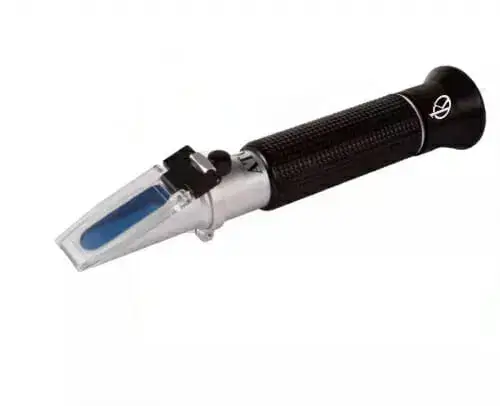
Brix refractometers, such as the YR05872, YR05873, YR05874, YR05875, YR05876, and YR05877, are vital for determining the sugar content in liquids, particularly in fruits and juices. These instruments utilize optical principles to provide accurate measurements of Brix levels, which represent the percentage of sugar dissolved in a solution. By using Brix refractometers effectively, laboratories can enhance their operational efficiency and contribute to sustainability efforts.
Evaluation Criteria for Brix Refractometers Focusing on Sustainability
When selecting Brix refractometers, consider the following criteria that align with energy sustainability and environmental impact reduction:
- Measurement Range: Different models offer various measurement ranges, affecting their adaptability to different sugar concentrations.
- Temperature Compensation: Automatic Temperature Compensation (ATC) is crucial for accurate readings across varying environmental conditions.
- Material and Design: Sustainable materials and energy-efficient designs can significantly reduce the carbon footprint.
- Cost Efficiency: Evaluate the economic benefits over the lifespan of the refractometer, considering energy use and potential waste reduction.
Sustainability Features of Brix Refractometers
Modern Brix refractometers incorporate features aimed at promoting sustainability:
- Low Energy Consumption: Models like the YR05876 are designed to consume less power, thereby minimizing energy costs.
- Durability: Long-lasting materials reduce the need for replacements and minimize waste.
- Minimal Reagent Requirement: Efficient measurement techniques reduce the amount of consumables needed, contributing to less environmental waste.
Comparison of Available Models
| Model | Measurement Range | Accuracy | ATC | Material | Best For |
|---|---|---|---|---|---|
| YR05872 | 0-5% Brix | ± 0.10% Brix | Yes | Aluminum | Monitoring low sugar concentrations |
| YR05873 | 0-10% Brix | ± 0.10% Brix | Yes | Aluminum | Versatile applications in food and beverage |
| YR05874 | 0-18% Brix | ± 0.10% Brix | Yes | Aluminum | Agriculture and horticulture |
| YR05875 | 0-20% Brix | ± 0.10% Brix | Yes | Aluminum | Food production and brewing |
| YR05876 | 0-32% Brix | ± 0.10% Brix | Yes | Aluminum | High sugar concentrations |
| YR05877 | 0-40% Brix | ± 0.10% Brix | Yes | Aluminum | Advanced laboratory settings |
Common Mistakes and How to Avoid Them
When working with Brix refractometers, lab professionals often encounter common pitfalls:
- Ignoring Temperature Effects: Failing to account for temperature variations can skew results. Always use models with ATC.
- Poor Calibration Practices: Regular calibration is essential for accurate readings, so schedule routine checks.
- Not Training Staff: Ensure all users are trained on proper usage to minimize errors and optimize performance.
Frequently Asked Questions
How do Brix refractometers contribute to energy sustainability in laboratories?
Brix refractometers, such as the YR05873, contribute by using energy-efficient designs and requiring minimal consumables, which reduces waste and operational costs. Their accurate measurements help optimize processes in food production and agriculture, promoting sustainability.
What is the measurement accuracy of different Brix refractometers?
Models like the YR05874 and YR05876 offer an accuracy of ± 0.10% Brix, ensuring reliable measurements essential for various applications, including brewing and agriculture.
Which Brix refractometer is best for monitoring high sugar concentrations?
The YR05876 is ideal for monitoring high sugar concentrations with a range of 0-32% Brix. Its durability and precision make it suitable for professional applications in food production and beverage industries.
How often should I calibrate my Brix refractometer?
It is recommended to calibrate your Brix refractometer, such as the YR05875, at least once a month or before critical uses to maintain accuracy and reliability in measurements.
Can Brix refractometers reduce environmental impact in agriculture?
Yes, using Brix refractometers like the YR05872 can lead to better crop management and resource optimization, thereby significantly reducing environmental impact in agricultural practices.
What materials are Brix refractometers made from, and why does it matter?
Brix refractometers are typically made from aluminum, like the YR05873. This material is lightweight, durable, and recyclable, contributing to a lower environmental footprint during production and disposal.
How do I choose the right Brix refractometer for my lab?
Consider factors like measurement range, durability, and energy efficiency. Models such as the YR05874 are excellent for versatility and can meet various laboratory needs effectively.
What are the key sustainability features of Brix refractometers?
Key sustainability features include low energy consumption, durable materials, and minimal reagent requirements. For instance, the YR05876 is designed for energy efficiency and reduced waste, crucial for eco-friendly laboratory practices.
If you are looking for a fusion of innovation and quality, you have come to the right place. At Kalstein, we offer you the luxury of exploring our exclusive catalog of laboratory equipment. We manufacture every device to the highest standards of excellence. Our intuitive and seamless online purchasing channels are designed for your convenience, securing the most competitive prices. Hesitate no longer — we bring science to life, it is time to become part of our community.