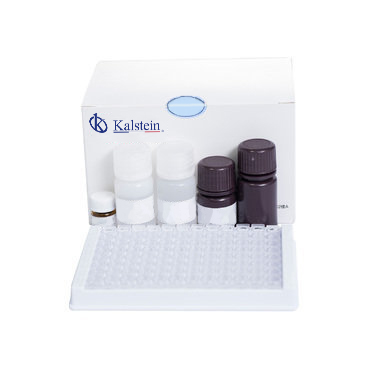
Clinical Chemistry Reagents: Essential Techniques and Protocols 2026
What is it used for in 2026
In 2026, Clinical Chemistry Reagents are integral tools used in laboratories for a variety of biochemical analyses. These reagents enable the determination of chemical content in samples, which is crucial for assessing liver function, myocardial enzyme levels, renal function, and blood gas electrolytes among others. Their reliability makes them indispensable in both clinical diagnostics and research environments, ensuring accurate and dependable results.
History and evolution of the technology
The technology behind Clinical Chemistry Reagents has evolved significantly since their inception. Initially, these reagents were primarily based on simplistic chemical reactions that required extensive manual input and time. Over the years, advancements in chemistry and technology have led to the development of more sophisticated reagents that allow for automated testing and more precise analytical capabilities. The evolution has been marked by the transition from basic colorimetric assays to complex enzymatic methods that can offer faster and more accurate results.
How to use it step by step
Using Clinical Chemistry Reagents effectively involves several key steps that laboratory professionals must adhere to:
- Preparation: Gather all necessary materials, including the reagents, sample containers, and analytical instruments.
- Calibration: Ensure that all instruments are calibrated according to the manufacturer's specifications to ensure accurate results.
- Sample Collection: Collect samples following proper protocols to avoid contamination or degradation.
- Reagent Setup: Prepare the reagents as per the technical specifications for each specific test.
- Conducting the Test: Follow the procedural guidelines for adding samples and reagents, and initiate the analysis as per the operational method.
- Data Analysis: Once the tests are complete, analyze the data carefully for accurate interpretations.
- Documentation: Record all findings, observations, and any deviations from standard protocols.
Best techniques and protocols
In 2026, the best practices for using Clinical Chemistry Reagents include:
- Standardization: Always adhere to standardized protocols to ensure that results are reproducible and reliable.
- Quality Control: Implement rigorous quality control measures, including regular calibration and validation of assays.
- Documentation: Maintain meticulous records of all tests and results for compliance and future reference.
- Training: Ensure that laboratory personnel are thoroughly trained in using reagents and understand the methodologies involved.
Practical applications by laboratory type
Different types of laboratories utilize Clinical Chemistry Reagents for various applications:
- Clinical Laboratories: Used for routine diagnostics including liver function tests, kidney function tests, and electrolyte analysis.
- Research Laboratories: Support biochemical research and drug development by analyzing biochemical markers.
- Emergency Departments: Provide rapid testing for critical care patients to make timely decisions about treatment.
Regulations, standards and certifications
Laboratories utilizing Clinical Chemistry Reagents must comply with various regulations and standards, including:
- ISO Standards: Ensure that laboratory processes meet international quality management standards.
- CLIA: Comply with Clinical Laboratory Improvement Amendments for laboratory testing accuracy.
- FDA Regulations: Follow guidelines from the Food and Drug Administration regarding reagent safety and effectiveness.
Comparison with alternative technologies
Clinical Chemistry Reagents have distinct advantages compared to alternative technologies such as point-of-care testing devices:
- Accuracy: Reagents often provide higher accuracy levels than many point-of-care devices.
- Cost-effectiveness: Larger batch testing can reduce costs significantly compared to individual tests.
- Versatility: Reagents can be used across multiple tests, making them more versatile than specialized devices.
Comparison of available models
| Model | Best for | Key specs | Recommended use case |
|---|---|---|---|
| YRA1 | Liver Function Tests | R1:48mlx2 R2:12mlx2 120ml | Routine liver assessment |
| YRA2 | Heart Enzyme Testing | R1:48mlx2 R2:12mlx2 120ml | Assessment of myocardial infarction |
| YRA3 | GGT Testing | R1:48mlx2 R2:16mlx2 128ml | Evaluation of liver and biliary function |
| YRA4 | Albumin Measurement | R:20mlx8 160ml | Assessment of nutritional status |
| YRA5 | Bilirubin Testing | R1:48mlx2 R2:12mlx2 120ml | Evaluation of jaundice |
| YRA6 | Bilirubin Measurement | R1:48mlx2 R2:12mlx2 120ml | Assessment of liver health |
Common mistakes and how to avoid them
Laboratories should be aware of common pitfalls when using Clinical Chemistry Reagents:
- Incorrect Sample Handling: Always follow proper protocols for sample collection and storage.
- Inaccurate Calibration: Regularly calibrate instruments to maintain accuracy.
- Neglecting Quality Control: Implement stringent quality control processes to prevent errors.
Maintenance, calibration and good practices 2026
To ensure optimal performance of Clinical Chemistry Reagents, laboratories should:
- Regular Maintenance: Schedule routine maintenance for all analytical equipment.
- Calibration: Calibrate instruments regularly to ensure precise measurements.
- Good Laboratory Practices: Implement practices that promote cleanliness and order in the lab environment.
Cost-benefit analysis 2026
Conducting a cost-benefit analysis for Clinical Chemistry Reagents reveals:
- Initial Investment: Consider the upfront costs of reagents and instruments.
- Long-term Savings: Evaluate how accurate results can reduce the need for repeat testing.
- Enhanced Efficiency: Assess the time savings from automating processes with reagents.
Frequently asked questions
How do I choose the right Clinical Chemistry Reagent for my lab?
Choosing the right reagent involves understanding the specific tests your laboratory will perform and selecting reagents that are validated for those tests. Consider factors such as the type of samples you will analyze and the standard protocols you will follow.
What are the key factors to ensure accurate results?
Key factors include proper calibration of instruments, following standardized protocols for sample handling, and implementing stringent quality control measures.
How can I ensure compliance with regulatory standards?
Staying updated on regulations from bodies like the FDA and ensuring that your laboratory follows ISO standards will help maintain compliance. Regular audits and training for staff are also crucial.
What are the common pitfalls in using Clinical Chemistry Reagents?
Common pitfalls include incorrect calibration, improper sample handling, and inadequate quality control. It is essential to document procedures meticulously to avoid these mistakes.
How do I maintain the reagents for optimal performance?
Store reagents according to the manufacturer's guidelines, monitor expiration dates, and ensure they are not exposed to conditions that could affect their stability.
Can I automate the testing process using these reagents?
Yes, many Clinical Chemistry Reagents are compatible with automated analyzers, which can increase throughput and reduce human error.
What is the cost of Clinical Chemistry Reagents compared to other testing methods?
While the initial cost may be higher, Clinical Chemistry Reagents tend to offer better accuracy and efficiency in the long run, making them a cost-effective choice for laboratories.
If you are looking for a fusion of innovation and quality, you have come to the right place. At Kalstein, we offer you the luxury of exploring our exclusive catalog of laboratory equipment. We manufacture every device to the highest standards of excellence. Our intuitive and seamless online purchasing channels are designed for your convenience, securing the most competitive prices. Hesitate no longer — we bring science to life, it is time to become part of our community.