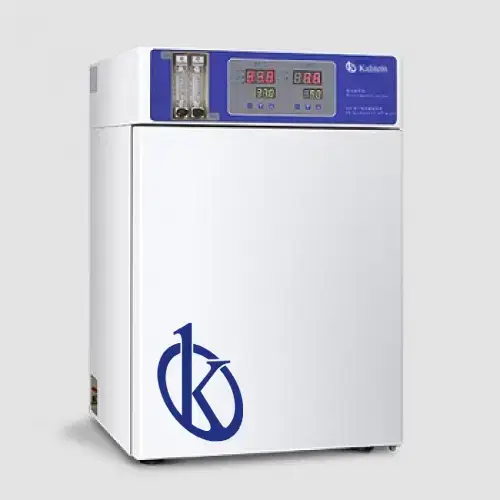
CO₂ Incubators: Common Mistakes and How to Avoid Them in Daily Operation 2026
What is it used for in 2026
CO₂ incubators are essential for providing a controlled environment for cell and tissue cultures. They are used extensively in fields such as immunology, oncology, genetics, and bioengineering. These incubators maintain optimal conditions for the growth of microorganisms, support agricultural science research, and facilitate the production of pharmaceuticals. The precise control of temperature, humidity, and CO₂ levels allows researchers to simulate physiological conditions necessary for various biological experiments.
History and evolution of the technology
The development of CO₂ incubators can be traced back to the mid-20th century when cellular biology began to gain prominence. Early models lacked the sophisticated controls and monitoring systems we see today. Over the years, advancements in microprocessor technology have enabled more precise temperature and CO₂ control, leading to better reproducibility in experimental conditions. The introduction of features such as UV sterilization and improved humidity control has further enhanced their utility in modern laboratories.
How to use it step by step
1. Preparing the incubator: Before using the CO₂ incubator, ensure that it is clean and sterilized. Switch on the unit to allow it to reach the desired temperature and CO₂ concentration. 2. Loading samples: Carefully place your cell cultures or samples inside the incubator, making sure not to overcrowd them to allow for proper air circulation. 3. Monitoring conditions: Use the built-in monitoring system to regularly check temperature, humidity, and CO₂ levels. Adjust settings as necessary to maintain optimal conditions. 4. Regularly check for contamination: Regularly observe your cultures for signs of contamination and ensure the UV sterilization feature is operational when needed. 5. Documenting conditions: Maintain records of the incubator conditions and any observed changes in your cultures for reproducibility and troubleshooting purposes.
Best techniques and protocols
Utilizing CO₂ incubators effectively involves adherence to best practices, such as: - Regular calibration of temperature and CO₂ sensors to ensure accuracy. - Employing aseptic techniques during sample loading to prevent contamination. - Utilizing the UV sterilization feature frequently to maintain a sterile environment. - Ensuring that the incubator is not overloaded to allow for proper air circulation. - Taking notes of temperature and CO₂ fluctuations to identify patterns or issues over time.
Practical applications by laboratory type
Different laboratory types utilize CO₂ incubators in unique ways: - **Biotechnology labs** use them for cell line maintenance and production. - **Pharmaceutical research** utilizes incubators for drug testing and development processes. - **Agricultural research** employs them for plant tissue culture propagation. - **Clinical labs** use CO₂ incubators for microbial culture and diagnosis testing.
Regulations, standards and certifications
CO₂ incubators must comply with various standards and regulations, including those set by the FDA for laboratory equipment, ISO standards for quality management systems, and GLP (Good Laboratory Practice) guidelines. Regular maintenance and validation are essential to ensure compliance and functionality.
Comparison with alternative technologies
While CO₂ incubators are preferred for many applications, alternative technologies like environmental chambers and shake flasks provide different benefits. Environmental chambers offer broader temperature and humidity ranges, while shake flasks facilitate aeration for certain cell types. However, CO₂ incubators are specifically designed to maintain stable CO₂ levels, making them irreplaceable for precise cell culture work.
Comparison of available models
| Model | Best for | Key specs | Recommended use case |
|---|---|---|---|
| YR02048 | Cell and tissue culture | Temperature range: RT + 5 ~ 60; CO₂ range: 0 ~ 20%; Volume: 80L | Ideal for standard cell culture applications in research laboratories. |
| YR02049 | Cell and tissue culture | Temperature range: RT + 5 ~ 60; CO₂ range: 0 ~ 20%; Volume: 160L | Suitable for larger scale cell culture processes. |
| YR02049-1 | Microbial culture and pathology research | Temperature range: RT + 5 ~ 55; CO₂ range: 0 ~ 20%; Special: ALLHEAT™ technology | Best for applications requiring consistent temperature and CO₂ levels. |
Common mistakes and how to avoid them
Some common mistakes when operating CO₂ incubators include: - Overloading the incubator: This can lead to poor air circulation and uneven temperatures. Always adhere to the manufacturer's recommendations for loading. - Ignoring calibration: Failing to regularly calibrate temperature and CO₂ sensors can result in inaccurate readings. Schedule regular maintenance checks. - Neglecting contamination checks: Ensure that cultures are checked frequently for contamination signs to take corrective actions promptly. - Inadequate documentation: Not keeping records of conditions can hinder troubleshooting. Maintain a log of all incubator settings and observed conditions.
Maintenance, calibration and good practices 2026
Regular maintenance of CO₂ incubators includes: - Cleaning the interior and exterior surfaces with appropriate sterilizing agents. - Calibrating temperature and CO₂ sensors at least quarterly. - Checking and replacing any worn-out components, such as seals and gaskets. - Running maintenance protocols as prescribed by the manufacturer for optimal performance.
Cost-benefit analysis 2026
Investing in a CO₂ incubator provides significant benefits, such as enhanced research quality, improved reproducibility of results, and a reduced chance of contamination. The costs associated with these units can be recouped through the efficiency of experimental workflows and the ability to produce reliable results, which are crucial for both academic and commercial laboratories.
Frequently asked questions
What are the key factors to consider when choosing a CO₂ incubator?
When choosing a CO₂ incubator, consider the required temperature range, CO₂ concentration control, interior volume, and additional features such as UV sterilization and humidity control. Assess your laboratory’s specific needs to select the best model.
How often should I calibrate my CO₂ incubator?
It is recommended to calibrate your CO₂ incubator every three months or whenever you observe fluctuations in temperature or CO₂ levels. Regular checks ensure reliability and accuracy in your experiments.
Can I use a CO₂ incubator for all types of cell cultures?
While CO₂ incubators are suitable for most mammalian cell cultures, specific growth conditions for particular cell types may require additional considerations. Always check the growth requirements of your specific cell lines.
What common issues might I face with a CO₂ incubator?
Common issues include fluctuations in temperature and CO₂ levels, contamination, and inadequate humidity. Regular maintenance and monitoring can help identify and resolve these issues quickly.
Do I need to worry about maintenance for my CO₂ incubator?
Yes, proper maintenance is essential for the longevity and effectiveness of your CO₂ incubator. It includes regular cleaning, calibration, and monitoring of conditions to ensure optimal performance.
How do I prevent contamination in my CO₂ incubator?
To prevent contamination, use sterile techniques when placing samples inside the incubator, regularly use the UV sterilization feature, and frequently monitor your cultures for any signs of contamination.
If you are looking for a fusion of innovation and quality, you have come to the right place. At Kalstein, we offer you the luxury of exploring our exclusive catalog of laboratory equipment. We manufacture every device to the highest standards of excellence. Our intuitive and seamless online purchasing channels are designed for your convenience, securing the most competitive prices. Hesitate no longer — we bring science to life, it is time to become part of our community.